By: Dr. Isaac M. Alshrouf
 All-on-4 dental implants can replace an entire upper or lower arch of missing or failing teeth with a fixed set of teeth supported by strategically placed implants. For many people, that can mean a more secure way to eat, speak, and smile than removable dentures provide.
Because full-arch treatment is a major decision, we believe it helps to understand each stage before moving forward. At Shrouf Dental House in The Villages, we guide you through the process, from your new-patient exam and X-rays to surgery, healing, and final teeth. All-on-4 uses four implants to support a complete arch, while some smiles may benefit from All-on-6 when added support is clinically appropriate.
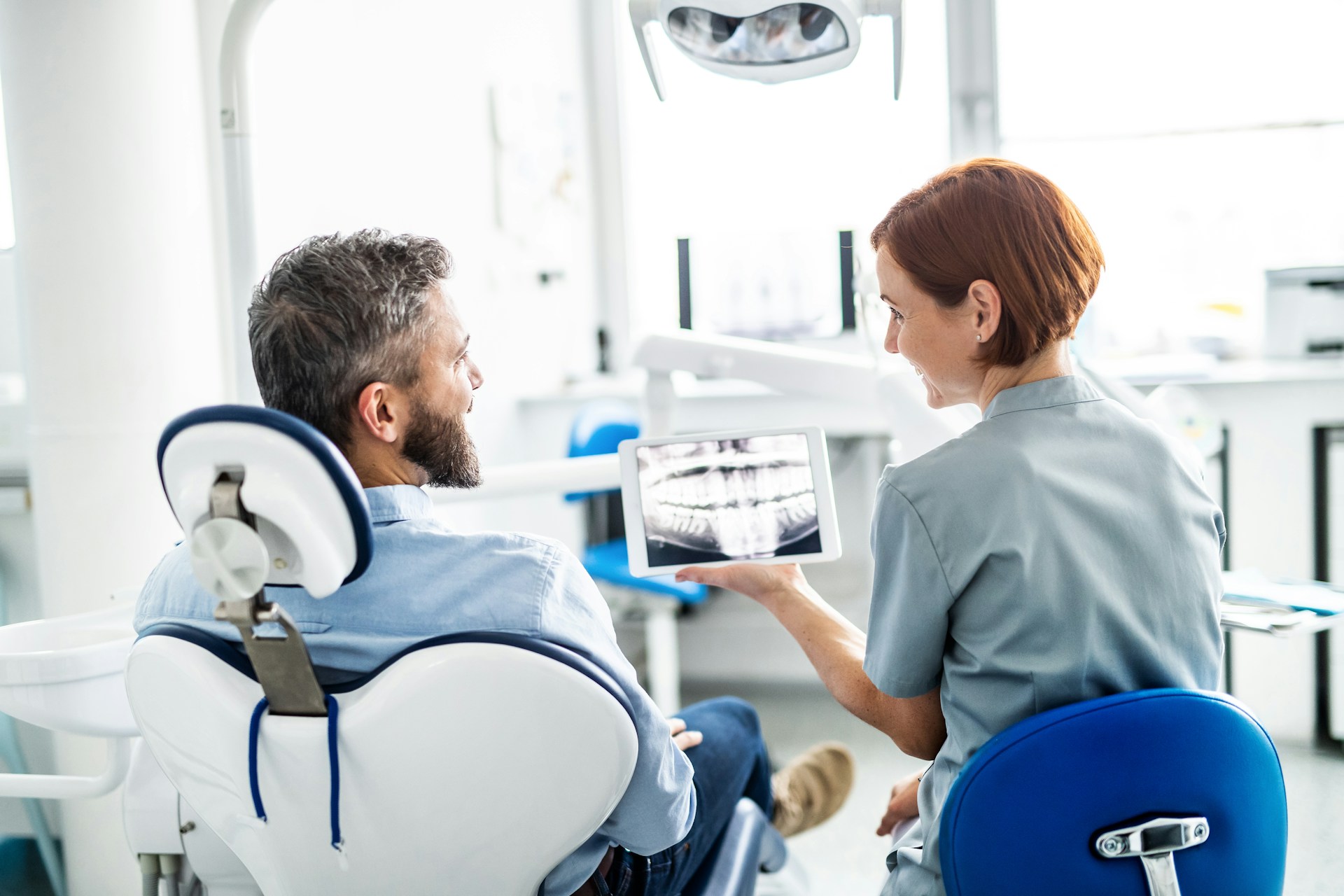
When people ask, “what is the All-on-4 procedure process,” the answer starts with a detailed evaluation. We look beyond the missing teeth themselves to understand the full picture, including your gums, remaining teeth, bite, jaw support, medical history, and goals for appearance and function.
Diagnostic X-rays help us assess the jawbone and plan where implants may be placed. When appropriate, advanced imaging can provide a closer look at bone volume and possible implant positions. Some people may need bone grafting for implants, while angled implant placement can sometimes reduce the need for grafting.
During this conversation, we discuss details such as:
Every full-mouth implant case is different. A personal exam helps us create a plan based on your mouth, not a one-size-fits-all timeline.
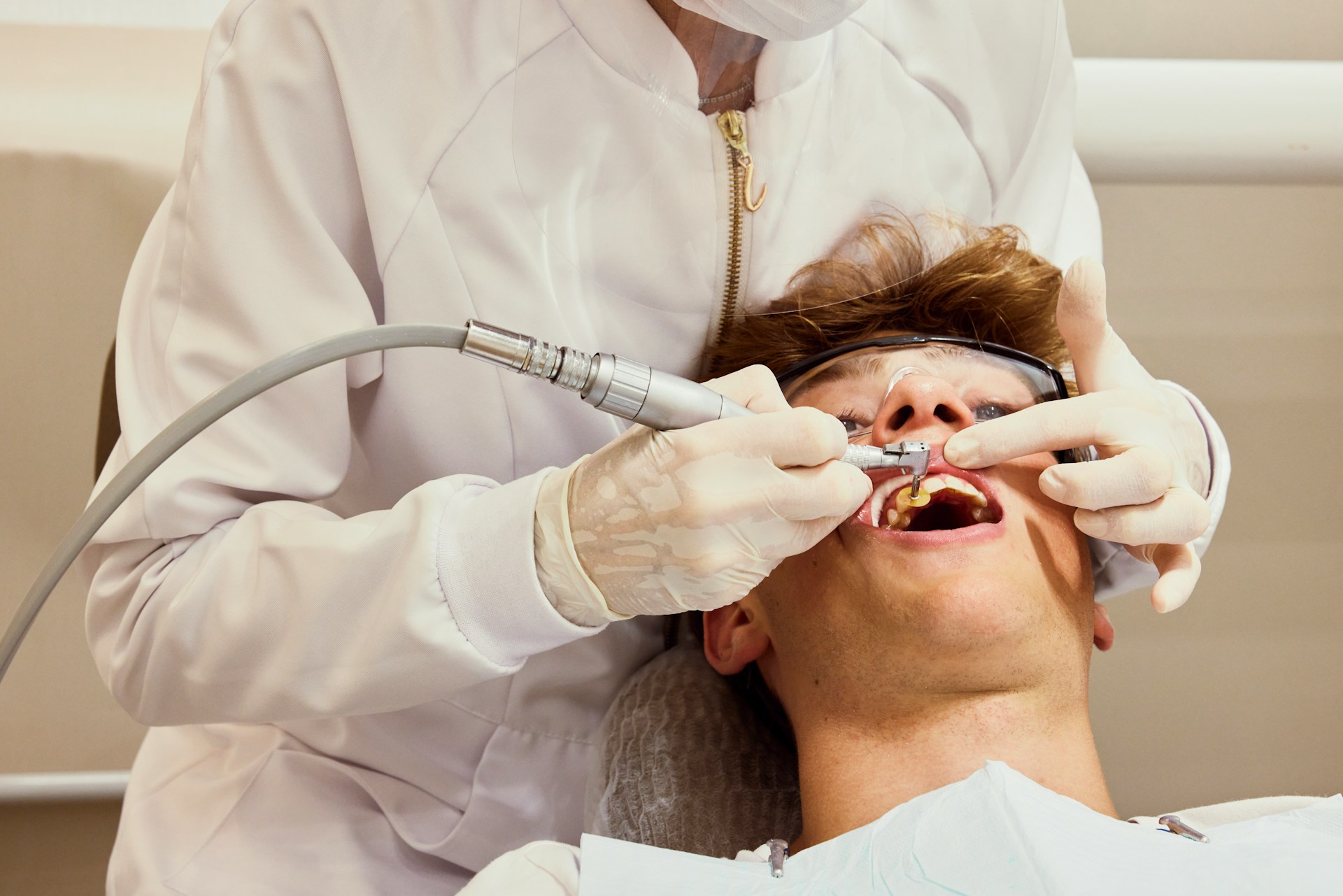
If failing teeth remain, we may remove them during the planned surgical visit. Our dental implant surgeon then places implants in carefully selected areas of the jaw to support a full arch of replacement teeth.
The front implants are generally placed more vertically. The back implants may be angled to make the most of available bone and create strong support. This placement approach is a central part of what is the All-on-4 procedure process. It allows four implants to support a complete arch rather than placing one implant for every missing tooth.
Many qualified patients may receive a temporary fixed bridge shortly after surgery and leave with teeth in place. Still, same-day temporary teeth are not automatic. We consider implant stability, bone quality, bite forces, and your overall clinical needs before deciding whether an immediate bridge is appropriate.
A temporary restoration is designed to protect the healing implants and help you function during recovery. It is not the same as the final zirconia fixed bridge or permanent implant-supported dentures.
After surgery, your implants need time to bond with the jawbone. This natural process is called osseointegration. Healing time varies from person to person, but it is the stage that helps build the support needed for permanent full-arch teeth.
Recovery is an active part of treatment. We provide post-surgical directions based on your care plan, and follow-up visits allow us to monitor healing and the temporary restoration. A soft-food diet may be recommended for a period of time, and avoiding heavy pressure on temporary teeth helps protect the implants while they integrate.
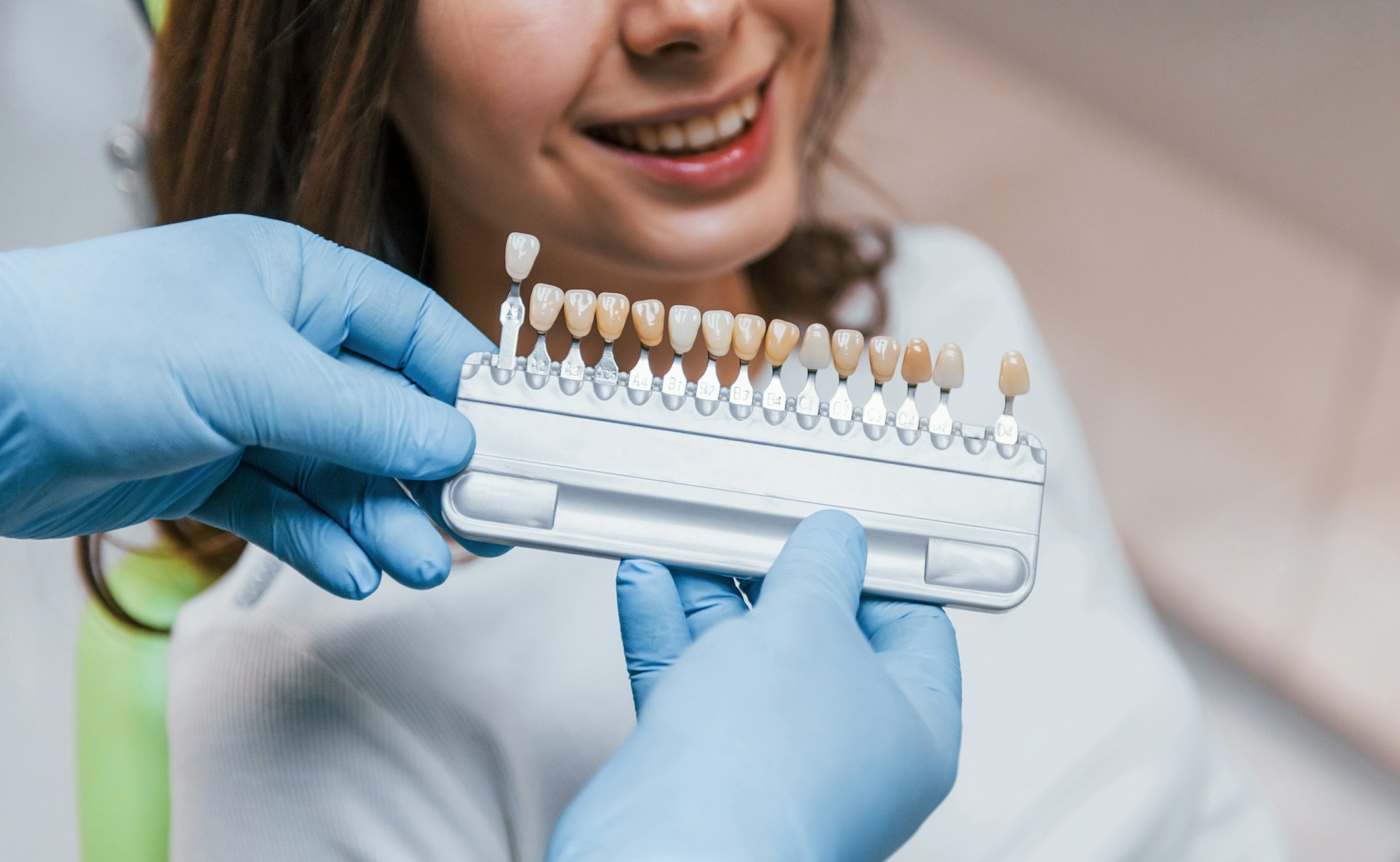
Once healing and bite stability are confirmed, we take precise records for the final prosthesis. A zirconia fixed bridge may be selected for its durable feel, natural-looking appearance, and secure fit. Even after permanent teeth are placed, regular professional maintenance remains important for the implants, bridge, gums, and surrounding tissues.
A full-arch treatment plan should clearly explain each phase, from extractions and implant placement to temporary teeth, healing visits, and the final restoration. Knowing what is included helps you ask informed questions and plan with fewer surprises.
Your plan may vary based on factors such as:
Fixed full-arch implants are often considered by people who are tired of the daily limits of loose dentures, including movement while eating, food restrictions, or repeated adjustments. As fall calendars fill with holiday plans and year-end decisions, it can be a useful time to review available in-house plan options and discuss how treatment planning may fit your needs.
Missing, loose, damaged, or failing teeth can affect more than meals. They can change how you speak, smile, and feel in everyday moments. The right solution may be All-on-4, All-on-6, implant-supported dentures, or another full-mouth implant approach.
The most helpful next step is an individualized exam, X-rays, and a clear discussion of comfort, sedation availability, temporary teeth, healing, final dentures, zirconia bridges, and long-term care. Knowing the process makes it easier to compare your options with confidence and choose a treatment path that supports your smile for years to come.
At Shrouf Dental House, we help patients evaluate full-arch implant options based on their oral health, goals, and long-term needs. Review what is the All-on-4 procedure process to better understand how implant-supported teeth may fit into your treatment plan. When you are ready to discuss dental implants, sedation availability, or permanent dentures, contact us to request an appointment with our team.