 By: Dr. Isaac M. Alshrouf
 Dental implant treatment is a step-by-step process, not a one-day fix. From the day we place an implant to the day we attach your final crown or full-arch restoration, healing guides every decision we make.
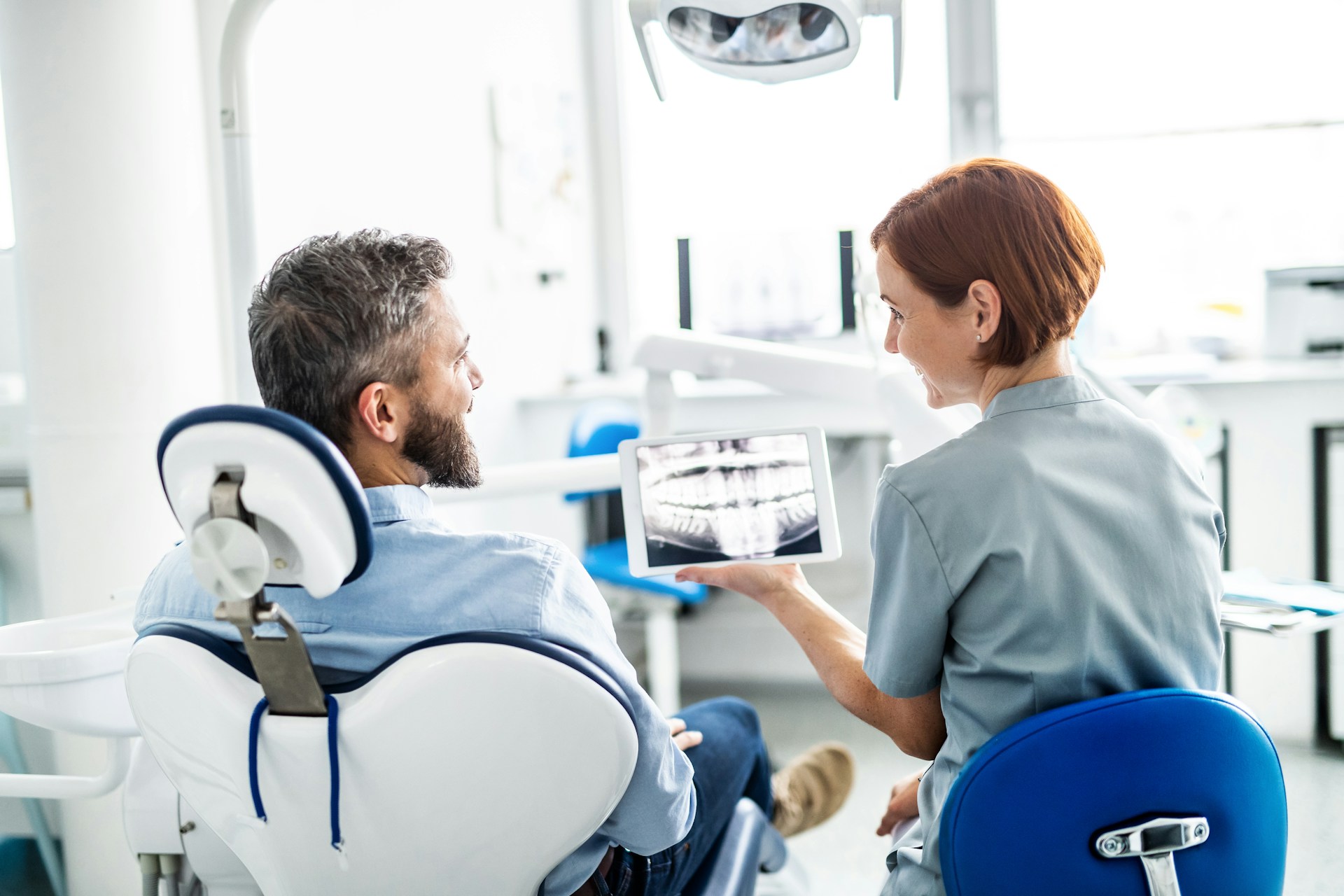
Many people ask how long the dental implant healing process takes. While every treatment plan is different, the answer is often several months. Your bone health, gum condition, whether bone grafting is needed, and the number of teeth being replaced all help shape the timeline. We use consultations, new-patient exams, and X-rays to create a plan that fits your needs.
Right after implant surgery, your body begins healing the gum tissue around the treatment area. Some swelling, tenderness, or minor discomfort can happen during the first part of recovery. We will explain how to protect the site, what foods may be easier to eat, and when it is safe to return to your usual routine.
During this early stage, it is important to avoid putting unnecessary pressure on the implant. The implant needs a calm, protected space to begin healing properly.
For some treatments, we may recommend a temporary tooth replacement while the implant heals. This can be especially helpful when a visible tooth is missing or when you are replacing several teeth or a full arch. A temporary restoration is designed to help with appearance and basic function without interfering with the healing process.
Sedation availability can also make surgical care feel more manageable for people who feel nervous. It may be discussed for larger cases, including:
The most important part of implant healing is called osseointegration. In simple terms, this is when the jawbone gradually bonds with the dental implant. That bond helps create a stable base for the new tooth or teeth that will sit above the gums.
This is why the answer to how long the dental implant healing process takes is not the same for everyone. Bone density, implant location, bite pressure, health history, and the size of the treatment all matter. We do not want to place a final restoration before the implant has had appropriate time to settle into the bone.
A single dental implant may heal on a different schedule than several implants supporting a bridge. Full-arch treatment can look different as well. Some All-on-4 or All-on-6 patients may receive a fixed temporary restoration sooner, while the final zirconia fixed bridge is planned after healing and detailed bite adjustments.
Once we confirm the implant is ready, it can support a custom restoration such as:
Sometimes the jawbone needs more support before or during implant placement. Bone grafting for implants may be recommended when there is not enough healthy bone in the right area to support an implant properly. Rather than viewing grafting as a setback, we view it as a proactive part of building a stronger foundation for long-term treatment.
Healing can also be affected by factors beyond the implant itself. Gum health, oral hygiene, tobacco use, certain health conditions, and following post-surgical instructions can all influence the process. We review these details before treatment so you have a clearer understanding of what may affect your individual timeline.
An in-person evaluation matters because X-rays allow us to look beneath the gums and assess the available bone. With that information, we can determine whether your plan may involve immediate implant placement, staged treatment, bone grafting, implant-supported dentures, or a full-arch option such as All-on-4 or All-on-6.
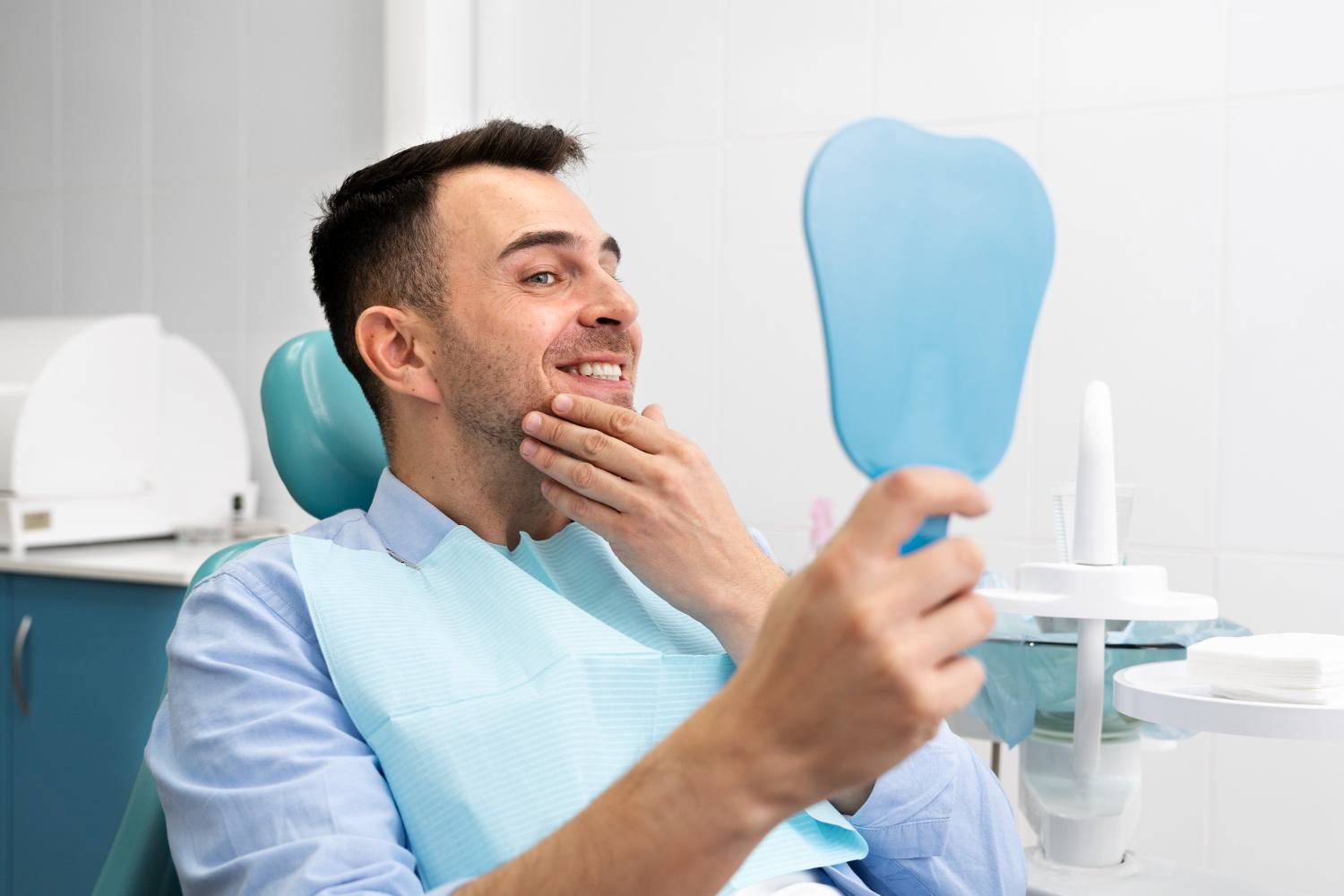
After healing is confirmed, the final restoration phase begins. We fit the implant with a custom crown, bridge, or full-arch restoration that is planned around your bite, smile, and daily needs. The goal is a replacement that feels comfortable, looks natural, and helps you chew with confidence.
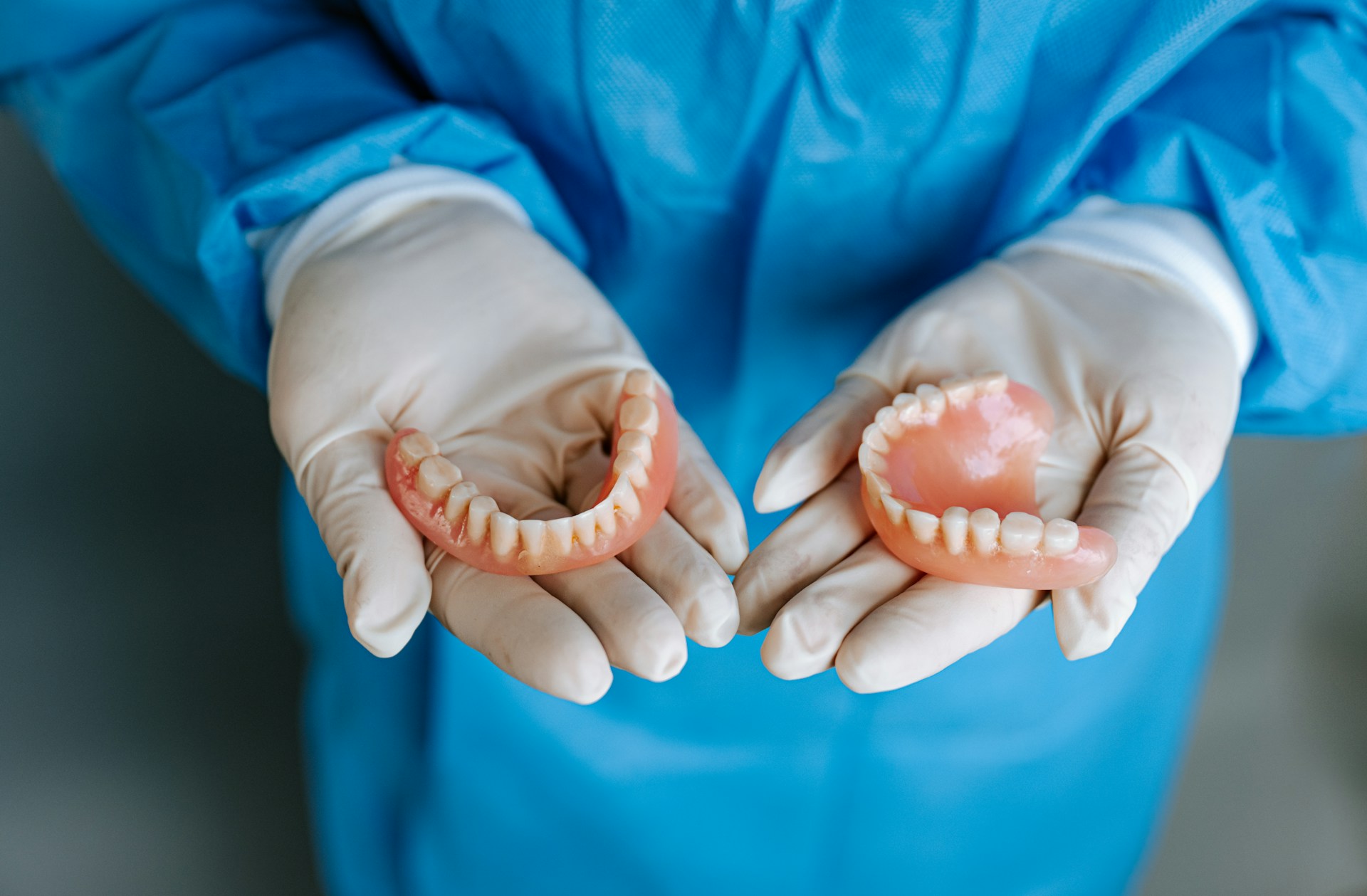
A single implant crown replaces one missing tooth. When several teeth are missing, implants can support a bridge or permanent dentures. For patients missing most or all teeth in an arch, full-mouth implants and zirconia fixed bridges may provide a more secure alternative to removable dentures.
The right choice depends on several personal details, including the number of missing teeth, jawbone condition, lifestyle goals, and the type of restoration you prefer. We also understand that treatment planning involves financial questions, and a personalized discussion can help you understand the full treatment path before moving forward.
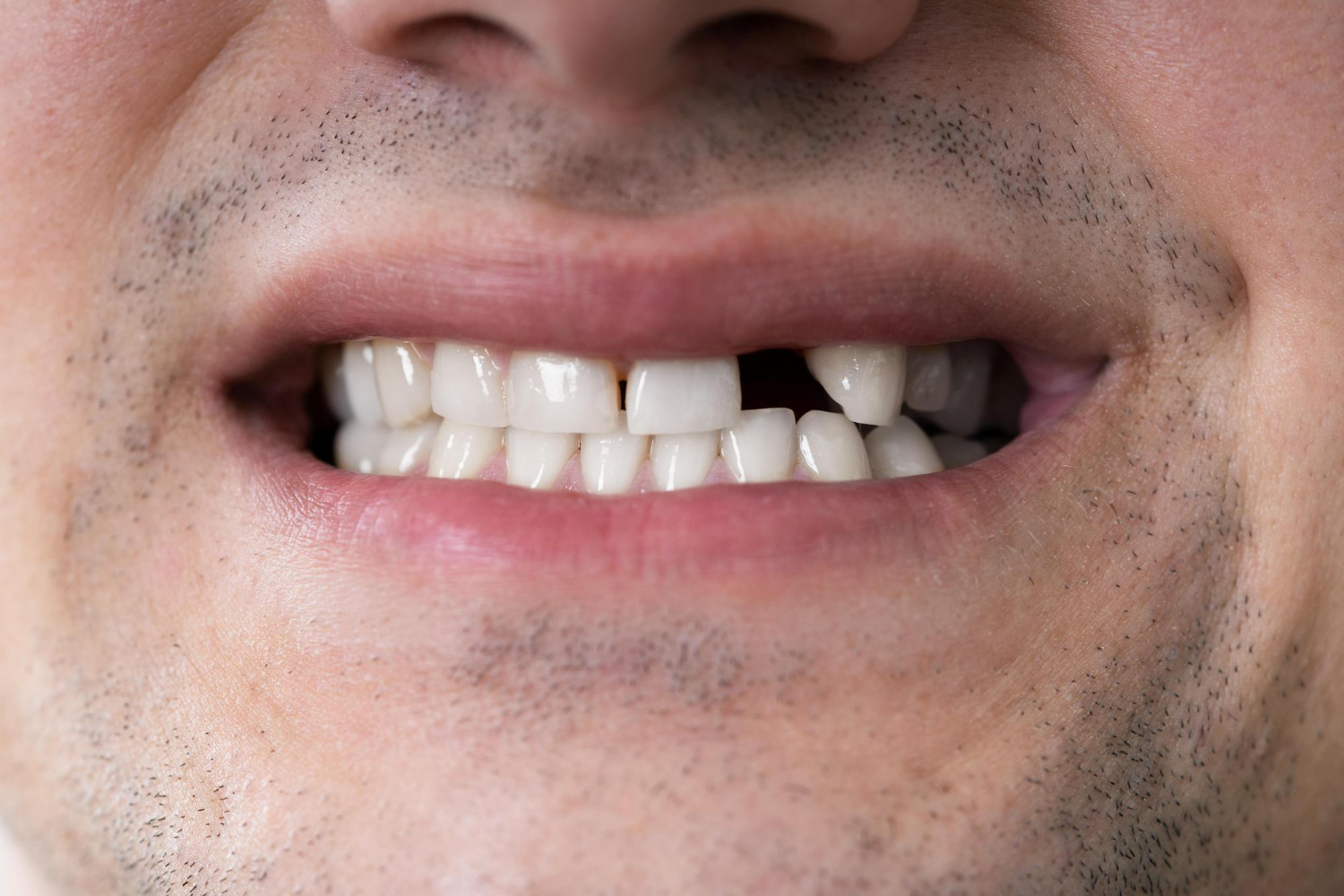
Missing one tooth, several teeth, or an entire arch can change how you eat, speak, and feel about your smile. An implant evaluation gives us the chance to examine your bone and gums, discuss sedation availability, and explain whether dental implants, implant-supported dentures, All-on-4, All-on-6, or full-mouth implants may fit your situation.
With the holiday season approaching, planning ahead can make it easier to understand each stage of treatment without rushing decisions. A clear timeline, thoughtful healing period, and properly planned final restoration all work together to support a comfortable, lasting result.
At Shrouf Dental House, we evaluate your oral health, bone support, and restoration goals to create a treatment plan that fits your needs. Learn how long the dental implant healing process takes and what may affect your path from surgery to a final crown. When you are ready to discuss single, multiple, or full-mouth implant options, contact us to request an evaluation.