 By: Dr. Isaac M. Alshrouf
 Conventional dentures may seem like the simpler choice at first, but the expenses do not always stop after the denture is made. Adhesives, fit changes, repairs, relines, and eventual replacement can become part of life with removable teeth.
At Shrouf Dental House, we help people in Wildwood sort through a big question: could implant-supported dentures provide better long-term value than continuing to maintain a loose denture? The answer depends on your mouth, health history, goals, and treatment needs, but it helps to look beyond the first expense alone.
A traditional denture rests on the gums and is held in place by its shape, suction, and sometimes adhesive. That approach remains a suitable missing-teeth solution for some people. Still, dentures can change as your mouth changes.
After tooth loss, the jawbone can gradually lose volume. As gum and bone contours shift, a denture that once felt secure may begin to rock, rub, or slip. We often see that the frustration is not just about the denture itself. It is about repeatedly trying to make it work better.
Implant-supported dentures take a different approach. Dental implants are placed in the jawbone, where they can support and retain a denture more securely. Although this treatment involves a larger initial investment, it may reduce certain repeat denture-related expenses while helping you feel more comfortable day to day.
No one likes being surprised by another denture-related need. These expenses may arise at different times rather than all at once, which can make them easy to overlook when comparing treatment paths.
Common ongoing needs with conventional dentures can include:
Loose dentures can also have a practical cost. You may avoid crunchy foods, choose meals based on what feels safe to chew, or spend more time applying adhesive before leaving home. A denture that moves during speech or meals can make ordinary moments feel more stressful than they should.
We want to be clear that removable dentures are not a poor choice by default. They can be appropriate depending on your needs. Yet if you are dealing with repeated fit problems or ongoing maintenance, it may be worth discussing implant-supported dentures, All-on-4 dental implants, All-on-6 dental implants, or full mouth implants with a dental implant surgeon.
Implant-supported dentures in Wildwood use dental implants to create a stable foundation for replacement teeth. Rather than relying on adhesive alone, the denture connects to implants placed in the jawbone. Depending on the treatment plan, the denture may snap into place and remain removable for cleaning, or it may be fixed as a non-removable full-arch restoration.
Implant support may offer meaningful everyday benefits, including:
Implants are not maintenance-free. We still recommend regular professional care and consistent home cleaning to protect your gums, implants, and restoration. The goal is not to promise that future care will never be needed. It is to choose a treatment that better matches your long-term needs.
There are also different full-arch options to consider. Implant-retained dentures can be a more budget-conscious path to stronger denture stability. A fixed zirconia bridge supported by All-on-4 or All-on-6 dental implants can provide a more permanent, non-removable option. Bone health, bite forces, medical history, goals, and budget all shape which approach makes sense.
Implant treatment involves several steps, which is why the initial investment is often higher than a conventional denture. Your plan may include a surgical evaluation, digital imaging, implant placement, restorative components, and a final denture or zirconia fixed bridge. Some patients may also need extractions, bone grafting for implants, or sedation dentistry.
Instead of focusing only on the first expense, we encourage you to compare the overall treatment picture. If you expect frequent relines, repairs, adhesives, or replacement appliances, implant treatment may bring meaningful value over time. Still, no one can predict every future maintenance need, so we never promise a certain financial outcome.
A written plan can make the comparison easier to understand. We recommend reviewing:
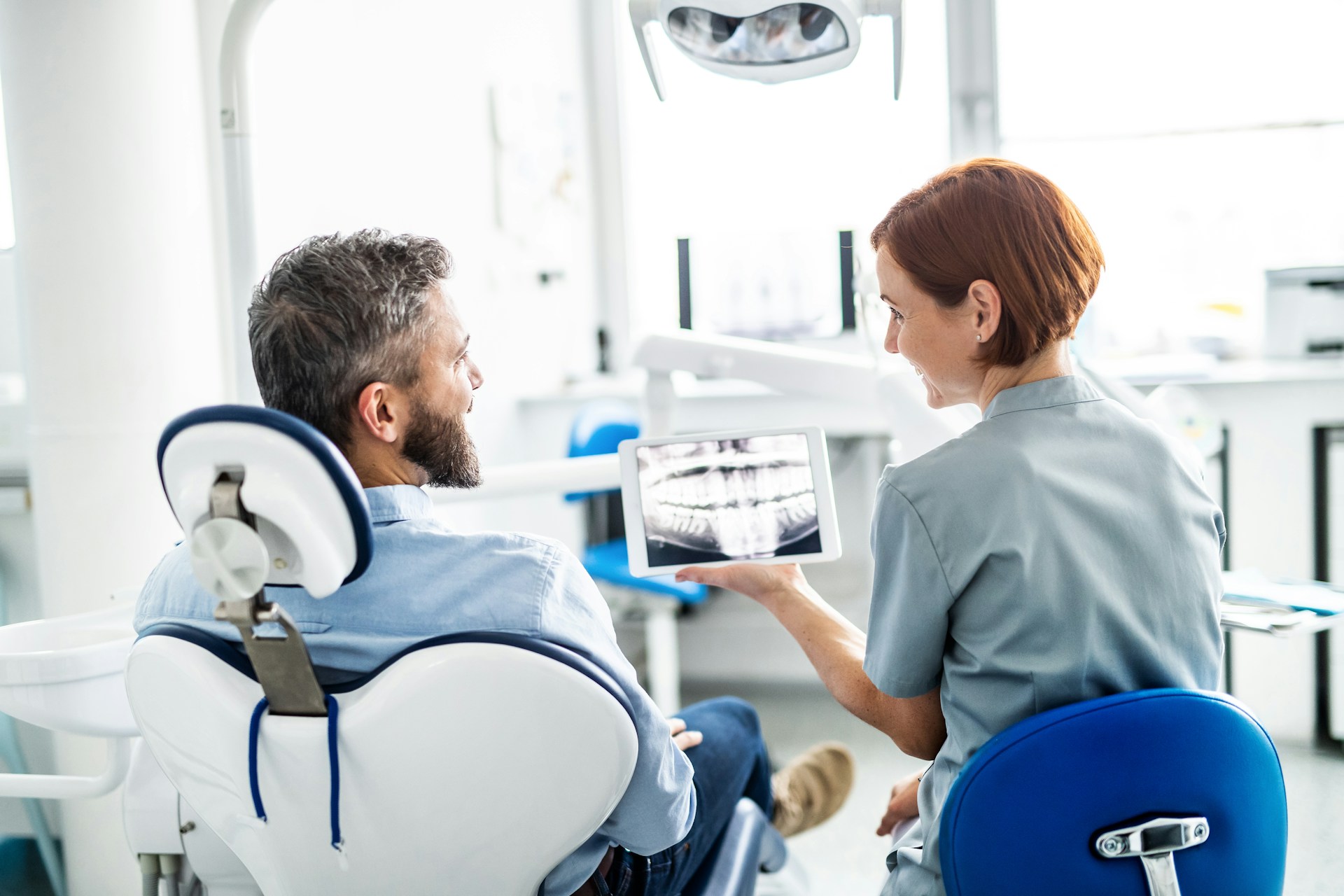
A full missing-teeth evaluation gives us the information needed to recommend the right path. Digital imaging, a review of your medical history, and an exam of your gums, bite, bone availability, and current denture all help us determine whether you may qualify for implant-supported dentures or full mouth reconstruction.
Bring your questions to the conversation. You may want to ask whether All-on-4 or All-on-6 dental implants fit your situation, whether bone grafting is likely, what healing can involve, whether sedation availability may support a more comfortable surgical experience, and which final restoration best fits your goals.
Fall can be a useful time to begin reviewing these options before the end-of-year calendar becomes busy. Planning early gives you room to understand treatment choices, consider financing, and review any available dental benefits without feeling pressured.
Implant-supported dentures may not be the lowest initial-cost choice, but they can offer lasting stability and may reduce some recurring denture-related expenses. The best decision comes from comparing your current denture frustrations with the treatment options that fit your oral health, lifestyle, and long-term goals.
At Shrouf Dental House, we can evaluate your oral health, bone support, and restoration goals to determine whether implant-supported dentures in Wildwood are appropriate for you. Our team will explain the treatment process, expected timeline, and available options for replacing missing teeth with greater stability. Contact us to arrange a personalized implant denture evaluation.