 By: Dr. Isaac M. Alshrouf
 Dental implants are a long-term solution for missing teeth, not a routine dental expense. Before choosing a single implant, implant-supported dentures, All-on-4, All-on-6, or full-mouth implants, you deserve a clear picture of how insurance and financing may fit into your treatment.
Here in The Villages, many people review unused dental insurance benefits as late September arrives and year-end gets closer. We can help you understand the financial side of your recommended treatment after a complete implant evaluation, but the right approach depends on your needs, your insurance plan, and your timeline for restoring daily function.
One missing tooth and a full arch of missing teeth are very different situations. A single dental implant may replace one tooth, while multiple missing teeth may call for an implant-supported bridge or permanent dentures. Full-mouth reconstruction may involve All-on-4, All-on-6, or another full-arch plan based on your bone support, oral health, and goals.
Insurance and financing serve separate roles. Insurance may reduce eligible portions of treatment, while financing may help you manage the remaining balance over scheduled payments. Neither option should be viewed as the only deciding factor in choosing a stable tooth replacement plan.
As you review your benefits before year-end, it helps to remember that annual dental insurance maximums often reset on a calendar schedule. Using available benefits may be helpful, but delaying needed care simply to wait for future benefits may not always match your treatment needs.
Does dental insurance cover implants? The honest answer is that it varies widely. Some plans may contribute toward certain parts of implant treatment, while others exclude implants entirely or handle them under different benefit rules.
Depending on your plan, insurance may review treatment components separately, such as:
Even when benefits apply, limitations can affect what the plan pays. We encourage you to look closely at your plan details and ask informed questions about:
For patients researching dental implant cost in The Villages, a detailed treatment plan is especially helpful. When appropriate, we can separate clinical phases so you can better understand what may be submitted to insurance and which portions remain your responsibility. A benefit estimate is useful, but it is not a final guarantee of payment from the insurance company.
Before comparing payment options, we make sure you understand the clinical scope of your care. A single implant can involve removal of a damaged tooth, bone grafting for implants when appropriate, implant placement, healing time, and a final crown. Each step has a purpose in building a stable replacement tooth.
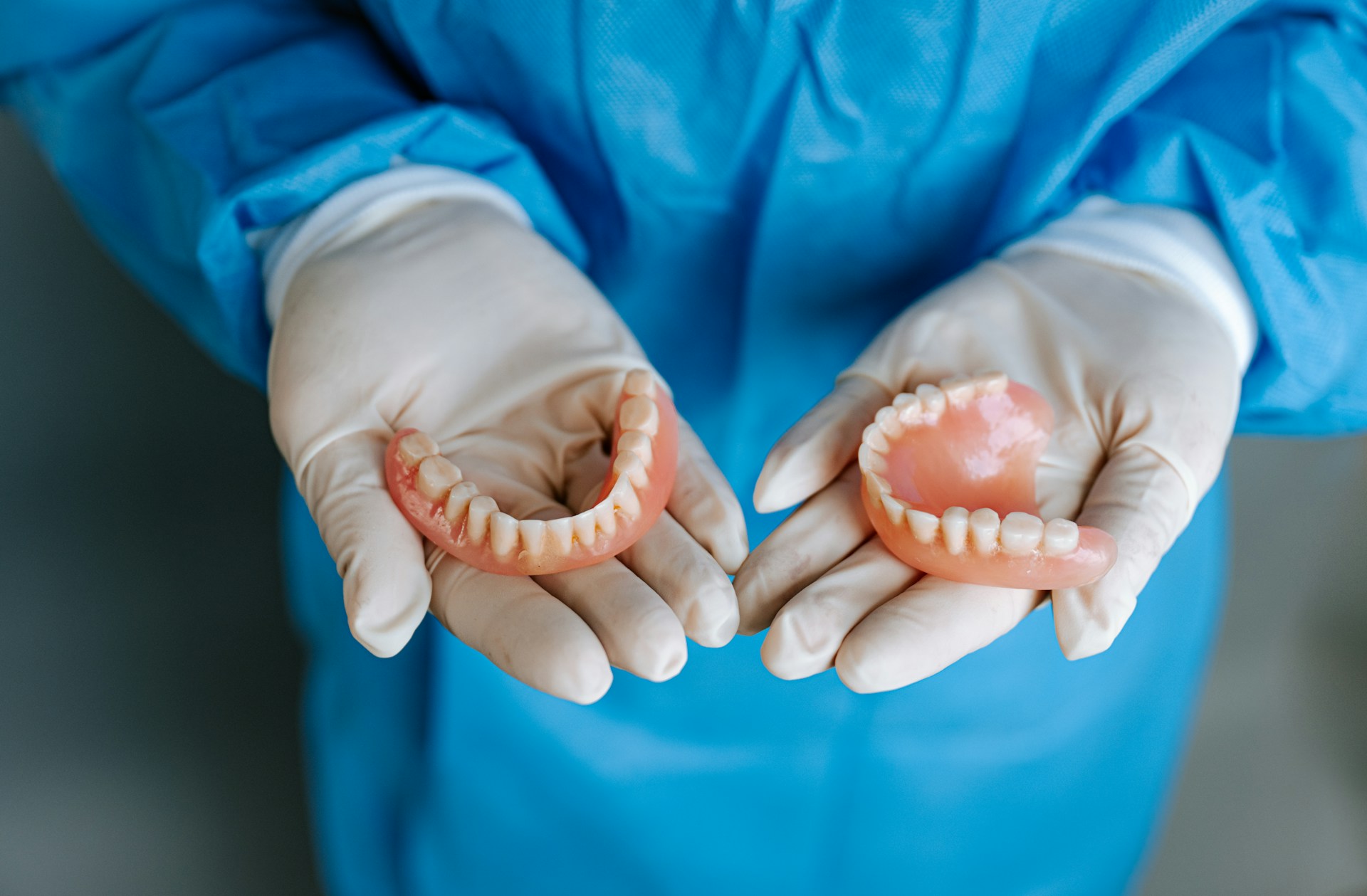
Replacing several teeth may involve strategically placed implants that support a bridge or implant-supported dentures. For a full arch, All-on-4, All-on-6, or another full-mouth implant approach may be considered based on your bone structure, health history, bite, and restorative goals.
Full-arch care cannot be meaningfully compared by an advertised starting figure alone. A complete plan may include the surgical procedure, implants, temporary teeth when appropriate, final teeth such as a zirconia fixed bridge, imaging, possible sedation availability, and follow-up care. We use the evaluation process to determine whether extractions, grafting, or other surgical steps belong in your plan.
This also explains why the question, “Does dental insurance cover implants?” does not always have one simple answer. An insurance plan may evaluate the implant, final restoration, imaging, and other components differently. We recommend choosing care based on comfort, stable chewing, and long-term tooth replacement goals, not coverage alone.
Financing may help qualified patients move forward without waiting for insurance benefits to build over several years. It can divide eligible out-of-pocket expenses into scheduled payments, subject to lender approval, terms, interest, and available promotional options.
Many patients combine financial resources rather than relying on one method. Available insurance benefits may be applied to eligible portions of care, and financing may help address the remaining balance for a single implant, permanent dentures, or a full-mouth implant solution.
For larger cases, including All-on-4 and All-on-6, a planned payment arrangement may support a treatment timeline that better fits daily needs. Rather than focusing only on the immediate financial question, ask what is included in the final restoration, how treatment phases are handled, and how future maintenance needs may be addressed.
Implant-supported restorations may provide more stability than removable dentures for appropriately selected candidates. A fixed full-arch solution is designed to replace an entire arch of missing teeth, which can make the investment feel easier to understand when viewed through long-term function and daily comfort.
Insurance benefits can be useful, but they are built around plan rules, not around the full needs of a person with missing teeth. Someone replacing one tooth has different concerns than someone living with loose dentures, several failing teeth, or complete tooth loss.
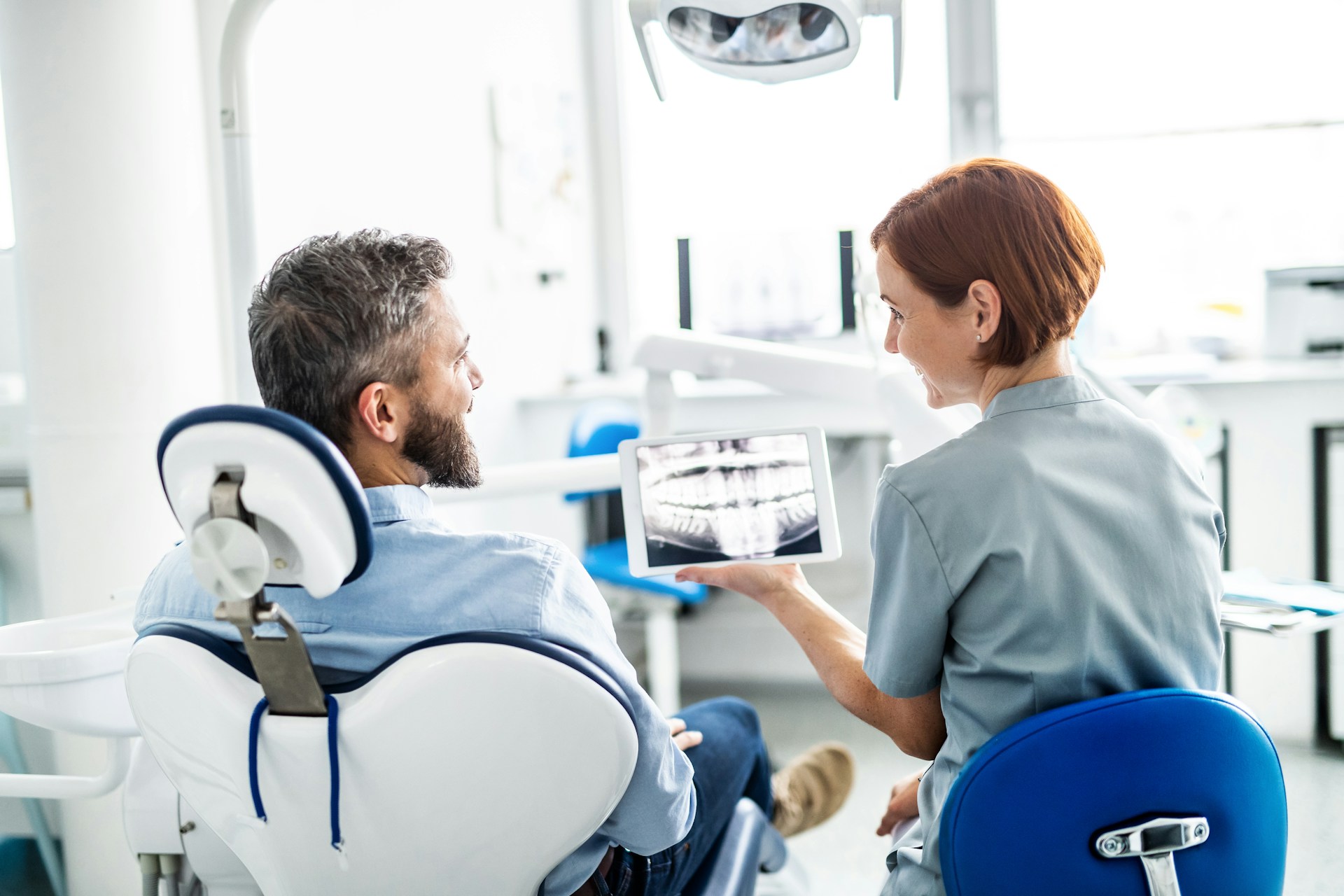
During a comprehensive evaluation, we review bone support, bite forces, remaining teeth, oral health, and the goals of your final restoration. Advanced imaging and treatment planning can support precise surgical planning when appropriate, helping us determine whether an implant-supported bridge, permanent dentures, All-on-4, All-on-6, or another option makes sense.
Does dental insurance cover implants? It may help with eligible portions, but it should be confirmed directly through a benefits review. The clearest path is understanding your clinical options first, then comparing insurance benefits and financing choices around the treatment plan that supports your long-term function.
At Shrouf Dental House, we can evaluate your missing-teeth needs and outline implant options designed for lasting stability and function. Review does dental insurance cover implants alongside the treatment details that matter most for your case. When you are ready to discuss your options, contact us to schedule an implant evaluation in The Villages.