By: Dr. Isaac M. Alshrouf
 Tooth extractions often bring a mix of emotions. Relief can come from solving a long-standing problem, but worry tends to follow right behind. How will you eat? Will others notice? How long will your smile be incomplete? For many adults who need extractions, especially more than one at a time, those questions feel especially uncomfortable.
That’s where immediate dentures in The Villages can offer fast peace of mind. Instead of walking out of the office with a visible gap, you leave with a full smile already in place. Spring’s arrival can be a season of fresh starts, and this approach helps restore confidence right away. Below, we’ll go over how immediate dentures work, what to expect during the process, and how to help your mouth heal properly.
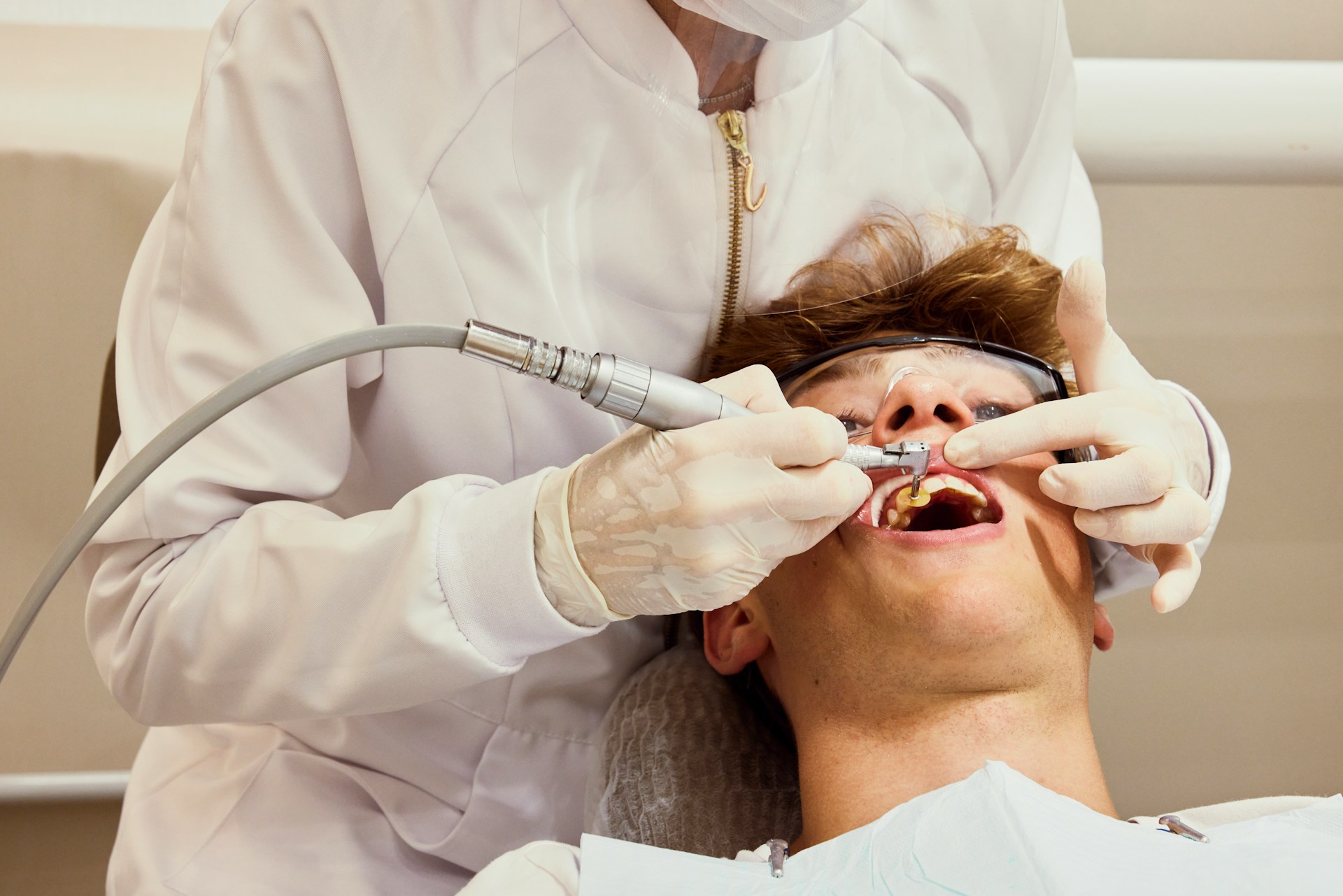
Immediate dentures are removable teeth that are placed right after extractions. Unlike traditional dentures that are fitted after the gums and bone have healed weeks later, these are made in advance and go in the same day your natural teeth are removed.
They’re often recommended for people who need full mouth extractions or are losing multiple teeth at once. We take impressions several weeks before your scheduled oral surgery so that the dentures are ready to set as soon as the teeth are removed.
What makes immediate dentures different is the timing. They help:
• Preserve your appearance while you heal
• Let you speak and eat more comfortably during recovery
• Protect your gum tissue from exposure
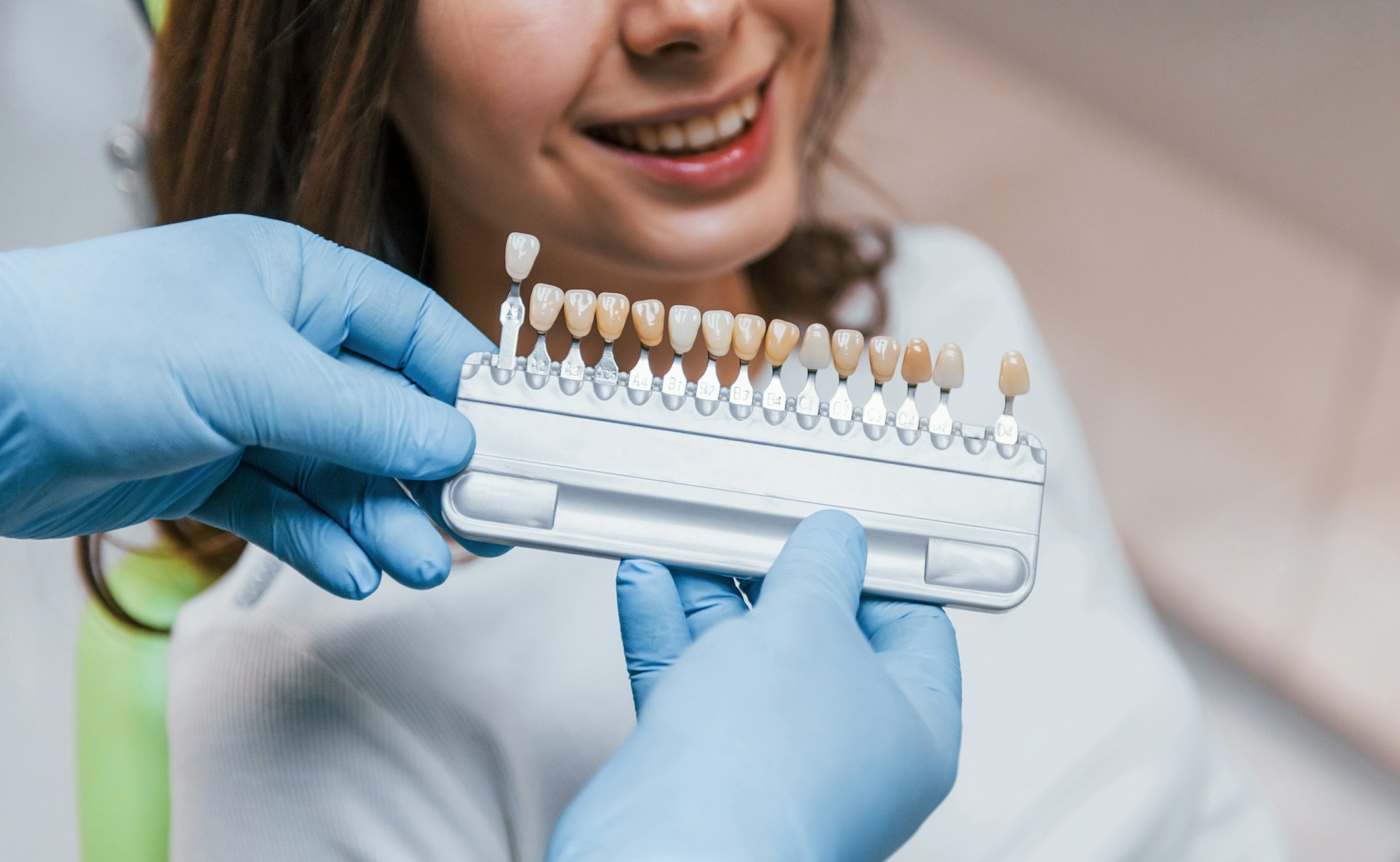
At Shrouf Dental House, our immediate dentures are crafted with durable, natural-looking materials to ensure they provide both comfort and a confident smile starting from day one.
They serve as a short-term solution while your mouth starts the healing process. Once everything settles, we can refit or replace them for a more permanent bite.
Planning ahead matters with this kind of denture. Once we know extractions are part of your treatment, we’ll take dental impressions and measurements of your mouth. This is usually done two to four weeks before the procedure.
The day of extraction looks like this:
1. We gently remove the planned teeth using local anesthesia. Sedation is available if you need help relaxing.
2. We place the custom-fitting immediate denture that was made ahead of time.
3. You’ll rest and recover at home with instructions on care and follow-up.
It’s common to feel some swelling or soreness to start. The denture may feel bulky or foreign early on, but your gums are still changing beneath the surface. As time passes, it’ll sit more naturally.
After the immediate denture is placed, your gums and jawbone start shifting as they heal. In the first few days, you might notice:
• Mild aching around the extraction areas
• Difficulty eating harder foods
• A need for extra cleaning to keep bacteria away
These changes are normal. As the swelling goes down and your bone reshapes, the dentures may start feeling a bit loose. That’s why we often recommend follow-up visits for soft relines, which help the denture adapt to your healing mouth.
At home, stick to soft foods and avoid chewing anything sticky or hard against sore areas. Brushing gently, rinsing as recommended, and caring for the denture daily all go a long way. With the right habits, the healing phase becomes easier to manage.
During this phase, it’s also helpful to take your time when speaking or chewing, as getting used to the feel of the denture can take patience. You may notice your speech sounds different at first or that you’re more aware of the denture’s shape. Over weeks of gentle use and regular cleaning, most people adapt well. Staying in touch with your dental provider ensures that any discomfort or adjustment needs are quickly addressed so you remain comfortable and confident.
Immediate dentures aren’t meant to be your forever fit. Over the next few months, it’s normal for the shape of your jaw to change. If the denture starts to feel too loose or uncomfortable, we can reline or replace it for better fit and support.
Some people decide to move from temporary to permanent options once healing is complete. This might include:
• Fixed options like dental implants or fixed full mouth implants
• Blended solutions such as implant retained dentures or implant-supported dentures
• Full replacements using full dentures or partial dentures
Whether you want more secure biting strength or fewer adjustments, we can walk through different approaches. If your denture begins to show wear or stops fitting comfortably, denture replacement services or denture repair services may help keep things feeling natural longer.
It’s important to remember that as the mouth finishes healing beneath the surface, modifying the fit of your dentures can help you avoid gum irritation or sore spots. Your dental team will check for changes during follow-up appointments and recommend new liners or replacements as needed. Customizing the fit keeps your bite stable and maintains your confidence as you move toward your long-term solution.
Caring for these dentures is just as important as healing your mouth. Since everything is adjusting at the same time, maintaining daily care is extra helpful.
• Clean the denture gently after meals
• Rinse your mouth with salt water or as instructed
• Brush surgically treated areas with a soft toothbrush, not directly over healing sockets
For the best results, we recommend pairing your new dentures with regular cleaning and hygiene, preventive dentistry, and dental exam visits in The Villages.
If your recovery feels slower or more sensitive, added support like mouth guards or dental sedation can help make adjustments feel more manageable. We’re here to keep you comfortable and steady through the process.
Maintaining careful oral hygiene during this period prevents infection and supports healthy tissue. Remember, even as you gain confidence in how the denture feels and looks, it’s a good idea to routinely inspect your mouth and denture for any trouble spots or signs of unusual discomfort. The healing mouth is vulnerable for several weeks, so taking gentle care reduces risk and leads to better long-term outcomes.
The biggest benefit of immediate dentures is simple: you don’t have to skip a step in the way you smile. Even right after extractions, you can walk out looking and feeling like yourself again. That can take a lot of emotional weight off during a time that already feels challenging.
Spring in The Villages, FL, brings more time outdoors and more reasons to socialize. Immediate dentures let you stay present and avoid the stress of waiting weeks to restore your look. With time, care, and follow-ups, it all becomes second nature again.
Adaptation is a process that happens over weeks and months. As you grow used to the presence of dentures, your eating habits and speech often return to normal. Participating in social activities or simply feeling comfortable in your own skin becomes easier as your confidence grows. These small benefits add up to a smoother healing journey.
Ready to feel more like yourself after tooth loss? We’re here to help restore your smile and confidence without the wait. Our process puts your comfort, mobility, and peace of mind first, even during recovery. See how we make a smoother transition possible with Immediate dentures in The Villages by scheduling your consultation at Shrouf Dental House today.