 By: Dr. Isaac M. Alshrouf
 Many people who have lived with missing teeth or loose dentures for a long time quietly worry that they waited too long for dental implants. We hear the same thoughts again and again: “My jawbone must be gone,” “I have worn dentures for years,” or “I am too old now.” In reality, modern implant dentistry often gives us options even when teeth have been missing for a very long time.
At Shrouf Dental House in The Villages, we often meet delayed treatment patients who are unsure if anything can be done. This article walks through what happens to your mouth over time, how we evaluate whether dental implants in The Villages, FL, are still possible, and why solutions like implant-supported dentures can restore your bite and confidence even after years without teeth.
When teeth are lost, the jawbone that used to surround their roots slowly shrinks. Natural tooth roots send tiny signals into the bone every time you chew. Without those roots, that stimulation disappears, and the body begins to resorb the bone in that area. The longer teeth are missing, the more noticeable this bone loss can become.
Over time, that bone loss often leads to changes such as loose or uncomfortable dentures. Dentures that once fit well may start to rock, slip, or rub sore spots as the underlying bone and gums change shape. Many people respond by using more adhesive, but the real issue is that the support underneath the denture has thinned.
Facial appearance can change too. As bone and soft tissue shrink, the lips may look less supported and the cheeks can appear more sunken, which can make a person look older than they feel. At the same time, chewing tougher foods becomes harder, so diets shift toward softer options that are not always ideal for overall health.
These changes matter when planning dental implants, but they are not automatic disqualifiers. Instead, they tell us that we may need additional steps, like bone grafting or different implant designs, to rebuild proper support. That is why a careful evaluation is so important for anyone considering implants after years of tooth loss.
One of the biggest myths about implants is that there is an upper age limit. In reality, age by itself is rarely the deciding factor. Overall health, bone quality, and gum condition matter far more than the number of birthdays you have had.
When we assess candidacy for dental implants in The Villages, FL, we look at several factors, including:
Many seniors take medications or have health conditions that need to be considered. That does not always rule out implants, but it can affect how we plan timing, healing, and follow-up care. Sometimes we coordinate with a physician so everyone is on the same page.
Even when there has been significant bone loss, we may still have options. Shorter implants, angled implants, staged treatment plans, or focusing on a few strategic implant sites can allow us to create stable results without needing an implant for every missing tooth.
Once we understand your oral health and bone structure, we can talk about ways to rebuild your smile. For some people, that might mean individual dental implants to replace only a few missing teeth. For others, especially those missing most or all teeth, solutions like implant-supported bridges or full-mouth reconstruction with implant-supported dentures may be more appropriate.
If bone has thinned, we often consider procedures such as bone grafting for implants. This involves adding bone material to areas where it has been lost so that there is enough volume for implants to anchor securely. In the upper jaw, a sinus lift can create more vertical space for implants by gently lifting the sinus floor and placing graft material. Ridge augmentation helps reshape uneven or narrow ridges.
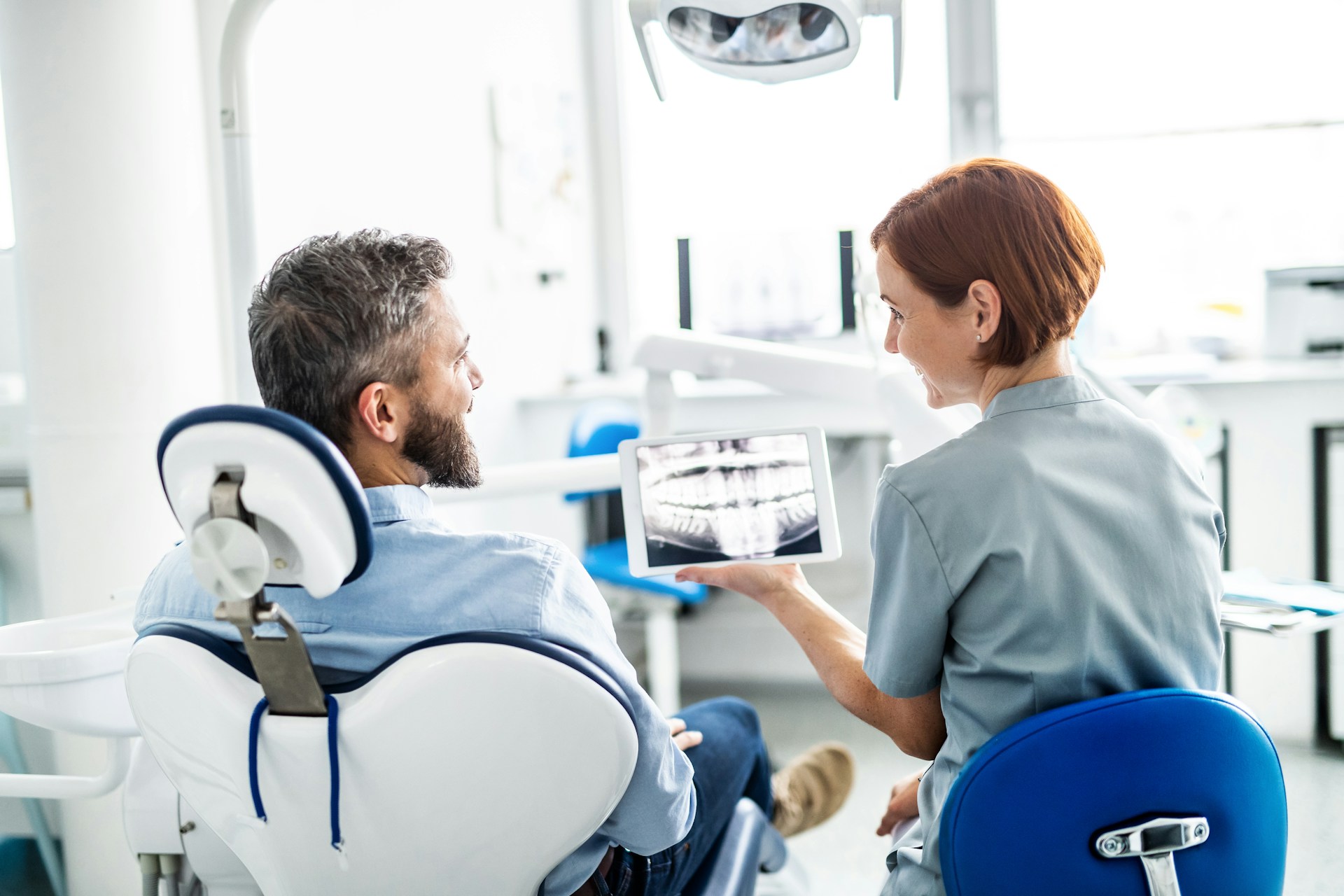
To plan these treatments, we rely on advanced 3D imaging and digital planning. A detailed scan lets us see the thickness and height of the jawbone and the position of important structures. That way we can choose implant lengths and positions more precisely and design restorations that match your bite and facial features. Gentle surgical techniques and sedation availability also help make complex or longer procedures more comfortable.
For many people who have worn traditional dentures for years, implant-supported dentures are a life-changing upgrade. Instead of relying on suction, the tongue, and adhesive, the denture is connected to a few dental implants that are placed in the jaw.
Traditional dentures can feel bulky, unstable, and prone to slipping at the worst moments. Implant-supported dentures are designed to lock onto the implants, which improves stability and confidence. This can lead to benefits such as:
Often, we can secure a full denture on as few as four to six implants in each arch, depending on bone quality and the design chosen. Even when some bone has been lost, strategic implant placement and, if needed, bone grafting make this approach possible for many long-time denture wearers. Some designs are removable, snapping on and off for cleaning, while others are fixed and only taken out by the dentist. We help patients decide which option matches their lifestyle and preferences.
If you are thinking about dental implants after a long delay, it helps to know what the process usually includes. While each person’s plan is unique, the general steps often look like this:
Healing times can vary, especially when bone grafting is involved. Temporary teeth or modified dentures are often used so you do not feel like you have to hide your smile during the process. For seniors and delayed treatment patients, we also pay close attention to pain control, sedation dentistry options, and convenient scheduling here in The Villages.
Many people are surprised to find that implant procedures are easier to tolerate than they expected. With a thoughtful plan, good communication, and support at every step, even complex cases can move forward in a calm, manageable way. The goal is for you to feel informed, respected, and confident that you understand what is possible for your smile, even if your teeth have been missing for many years.
If you are tired of slipping or uncomfortable dentures, we can help you enjoy a more secure, natural-feeling fit with implant-supported dentures. At Shrouf Dental House, we will walk you through your options, answer your questions, and design a treatment plan that fits your goals and budget. Ready to take the next step toward comfortable chewing and confident smiling again? Schedule an appointment today by using our contact page.