 By: Dr. Isaac M. Alshrouf
 The cost of All-on-4 vs. traditional dentures matters, but the first number you hear should not make the whole decision for you. Replacing missing teeth also affects how comfortable you feel while eating, speaking, smiling, and caring for your teeth each day. Stability, confidence, maintenance, and long-term plans all deserve a place in the conversation.
At Shrouf Dental House, we help The Villages patients compare dentures, implant-supported dentures, All-on-4, All-on-6, and full mouth reconstruction options. A personal evaluation helps us review your mouth, jawbone support, health history, and goals before recommending a path forward. Candidacy, bone grafting needs, sedation availability, and the type of final restoration all need careful consideration.
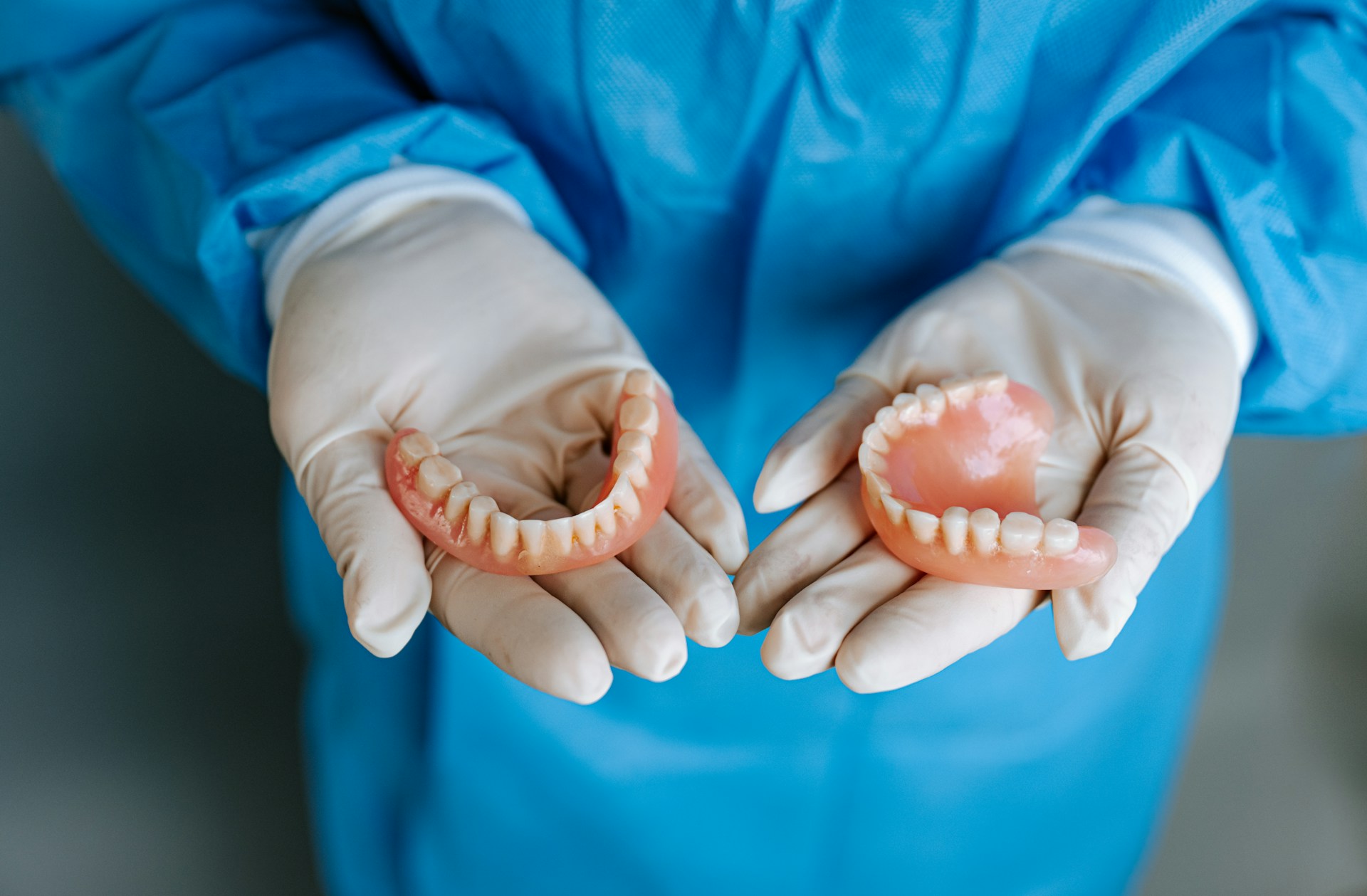
Traditional dentures are removable teeth that rest on the gums. They often have a lower initial cost because they do not include implant surgery or a fixed full-arch restoration. For some people, dentures can be a sensible place to begin, especially when they prefer a removable option.
All-on-4 is different. This full-arch implant approach uses strategically placed dental implants to support a fixed set of replacement teeth. Because treatment includes planning, surgery, healing, and the final restoration, it generally requires a larger initial investment than conventional dentures.
When we discuss the cost of All-on-4 vs. traditional dentures, several parts of treatment may affect the estimate:
Even so, a lower denture price can feel appealing at first, and understandably so. Still, we encourage you to think ahead. Removable dentures may need adjustments, relines, repairs, replacements, or adhesives over time. Some people also decide later that they want the added hold of implant-supported dentures.
Rather than relying on a single advertised number, a written treatment plan tells a fuller story. For full-arch implants, we believe you should be able to see what is included in both the surgical and restorative phases. That clarity makes it easier to compare options without guessing what may be added later.
For clarity, a complete implant estimate may identify the planned surgery, provisional teeth when appropriate, the final teeth, follow-up visits, and any clinical needs found during your examination. If bone grafting, sedation, or other steps may be needed, those topics should be discussed clearly rather than treated as surprises.
Traditional denture estimates deserve the same close look. Ask what happens if your denture becomes loose, sore, or damaged. It also helps to understand whether future relines, adjustments, and replacement planning are included or expected separately.
During a missing-teeth evaluation, we look beyond the teeth that are gone. Bite function, facial support, jawbone condition, and the number of missing teeth can all shape the recommendation. A dental implant surgeon or qualified implant clinician can help determine whether All-on-4, All-on-6, implant-supported dentures, or another full mouth reconstruction plan fits your situation.
Daily life is often where the difference between removable and fixed teeth becomes most noticeable. Traditional dentures rest on the gums, while dental implants are designed to support replacement teeth from within the jaw. That difference can affect how the teeth feel during meals, conversations, and normal routines.
Some people with removable dentures may deal with movement, adhesives, or the need to remove their teeth for cleaning. Fixed implant-supported teeth can offer a different experience, though the cleaning routine and maintenance needs should still be explained before treatment begins.
When weighing your choices, consider questions such as:
No treatment outcome should be assumed without an examination. A full-arch implant solution may provide meaningful functional and lifestyle benefits for qualified patients, but it involves surgery and a larger initial commitment. Traditional dentures may be practical for some people, while implant-supported dentures can provide a middle ground between conventional dentures and a fixed zirconia bridge.
All-on-4 may be considered when most or all teeth in one arch are missing. By placing implants in strategic positions, this approach may reduce the need for bone grafting in certain cases. Whether that applies to you depends on your anatomy, bone support, bite, and clinical findings.
All-on-6 is another full-arch option. Additional implant support may be recommended when bite forces, available bone, or restorative goals call for it. More implants are not automatically better. The right number is a clinical decision based on what will support the planned restoration appropriately.
For patients who want more retention but still prefer removable teeth, implant-supported dentures can be worth discussing. These permanent dentures use implants to help hold a removable denture in place. Comparing fixed and removable choices honestly helps us focus on what matters most to you, including comfort, maintenance preferences, treatment timing, and long-term plans.
Early fall can be a useful time to learn about full-arch treatment timing before holiday travel and seasonal gatherings fill the calendar. An evaluation can clarify whether dental implants, dentures, or an implant-supported option matches your current needs without pressure to make a rushed decision.
The most useful plan is one built around your actual anatomy, health needs, and daily priorities. Understanding each treatment phase, likely maintenance needs, and the difference between removable and fixed teeth can make the choice feel clearer and more manageable.
At Shrouf Dental House, we can help you compare the cost of All-on-4 vs. traditional dentures based on your restoration goals, oral health, and expected maintenance needs. Our team will explain the treatment steps, materials, and potential financing considerations for your options. Contact us to request a personalized implant or denture evaluation.