.jpg) By: Dr. Isaac M. Alshrouf
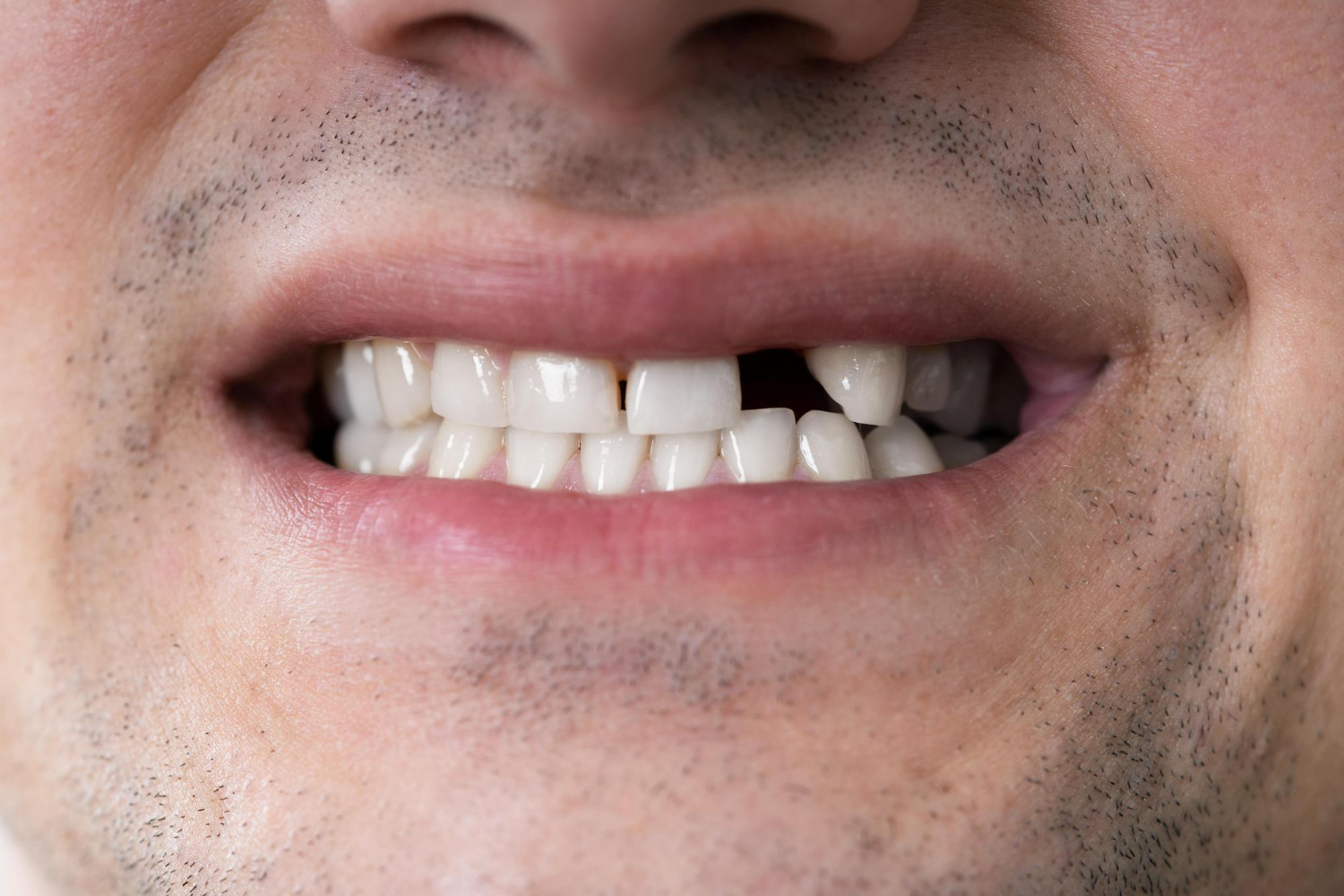
By: Dr. Isaac M. Alshrouf Replacing missing teeth is a financial decision as much as it is a health decision, especially for seniors and retirees on fixed incomes in The Villages. The number that shows up on a treatment estimate is only part of the story. What you pay over the years in repairs, adjustments, comfort, and confidence can end up mattering more than the first bill.
In this article, we will walk through how traditional dentures, bridges, dental implants, and implant-supported dentures compare over time. We will look at what really affects long-term cost, how maintenance and lifestyle fit into the equation, and why the best dental implants and carefully planned implant-supported dentures often provide strong value for patients who want stable, comfortable teeth for the long haul.
When you are replacing missing teeth, it is tempting to focus only on the lowest price today. But your teeth are something you use all day, every day. If they hurt, slip, or break, you keep paying for it with your wallet, your diet, and your confidence.
Common options include:
Each choice has a different mix of:
At Shrouf Dental House in The Villages, we help patients look beyond the first quote and focus on total value. Our goal is to match each person with a solution that works for their health, lifestyle, and budget over many years, not just the first season after treatment.
Traditional removable dentures often have the lowest initial cost for replacing many missing teeth at once. They can be a reasonable starting point, but they come with ongoing expenses and tradeoffs.
With removable dentures, patients may face:
There are also hidden costs that do not show up on a receipt, such as slower chewing, avoiding certain foods, and changes in nutrition if tough or crunchy foods become hard to eat.
Fixed bridges have a moderate initial price and can feel very natural. However, they rely on reshaping the healthy teeth next to the missing one to act as anchors. Those support teeth may be more likely to need future crowns, root canals, or even replacement. Bridges also have a limited lifespan and often need to be remade down the road, especially if the supporting teeth change.
Dental implants and implant-supported dentures generally have a higher upfront investment. Instead of sitting on the gums or leaning on neighboring teeth, implants act like artificial tooth roots placed in the jawbone. This can offer:
When properly planned and cared for, the best dental implants are designed for long-term use with fewer major adjustments. Implant-supported dentures attach to several implants, which can give much better stability than traditional dentures and reduce costs linked to shifting teeth or progressive jawbone loss.
One of the biggest influences on long-term cost is jawbone health. When teeth are missing, the bone in that area naturally shrinks over time. If a patient waits many years to replace teeth with implants, there may not be enough bone left, which can mean:
Earlier replacement with implants or implant-supported dentures often helps preserve bone, which can reduce the need for more complex and costly preparatory procedures in the future.
Materials, technology, and lab quality also matter. There are differences between high-quality implant systems and discount options. Careful planning with 3D imaging, digital scans, and precise guides can:
The experience of the dentist and the treatment planning process play a major role. When one dental team understands restorative dentistry, surgical placement, and options like zirconia fixed bridges or full mouth reconstruction, the plan is more likely to be coordinated. A well-planned case helps reduce:
Every tooth replacement option needs daily care, but the routines are different. Traditional dentures are taken out for cleaning, and patients must clean their gums and any remaining teeth. Bridges require careful flossing around and under the false tooth. Dental implants should be brushed and flossed like natural teeth, and implant-supported dentures may be removable or fixed, depending on the design.
Good home care, plus consistent checkups, is one of the simplest ways to extend the life of any restoration and keep long-term costs down. Preventing gum disease and decay around implants or supporting teeth helps avoid more extensive treatment later.
Adjustments and repairs are another ongoing factor. Removable dentures often need:
Implant-supported dentures are typically more stable, so fit changes tend to be less frequent. They still may need maintenance on attachment parts, replacement of worn components, or repairs to the denture itself, but they are less affected by ongoing bone shrinkage.
There are also lifestyle and comfort costs. Slipping dentures can make people feel nervous about speaking or laughing freely. Avoiding favorite foods can be frustrating and may affect overall health if high-fiber or protein-rich foods are harder to chew. Implants and stable implant-supported dentures often give patients more freedom to:
Over time, that quality of life can be as valuable as any financial savings.
Dental insurance usually offers better coverage for dentures and bridges than for implants, even though implants often provide more long-term value. Many plans:
Because of this, it can be easy to choose based only on what insurance covers. However, when patients look at the cost per year of use, comfort, and function, the picture often changes. A treatment with a higher initial cost but a longer lifespan can end up being more economical.
Payment options and phased treatment plans can help spread out the investment. Some patients start with a more affordable temporary option, then move toward full mouth reconstruction with implants, All-on-4 dental implants, or implant-supported dentures over time. Planning in stages can:
When we talk with patients about value, we encourage them to think in terms of years of service, comfort, function, and confidence. Well-planned implant care, using the best dental implants that suit the case, often offers a favorable long-term cost when durability, health, and day-to-day satisfaction are all taken into account.
The long-term cost of replacing missing teeth depends on many moving parts: which treatment you choose, the condition of your jawbone, the quality of materials and planning, and how you care for your mouth at home. Traditional dentures, fixed bridges, single implants, and implant-supported dentures all have a place; the right choice is the one that fits your health needs, chewing goals, and financial comfort over time.
For patients in The Villages, it can feel like a lot to sort through alone. At Shrouf Dental House, we take time to explain how each option might perform in your specific situation, so you can compare not only the price today but what life will feel like years from now. Thinking about long-term value, not just sticker price, helps you choose a solution that supports your smile, your health, and your peace of mind well into the future.
If you are ready to explore a more secure and natural-feeling solution, our team at Shrouf Dental House is here to help you decide if implant-supported dentures are right for you. We will walk you through your options, answer your questions, and create a treatment plan tailored to your goals. Schedule a visit today by using our contact page so we can get started restoring your comfort and confidence.