 By: Dr. Isaac M. Alshrouf
 Tooth problems rarely start as a full mouth issue. They start with one chipped tooth, one sensitive molar, or one broken filling. Over time, though, small repairs can pile up until it feels like your whole mouth is a patchwork of temporary fixes. That is usually when patients begin to wonder if there is a more stable, long-term answer.
At Shrouf Dental House in The Villages, we often see people who have tried to manage their oral health one tooth at a time for years. This article explains when that approach stops making sense and how restorative dentistry services like dental implants, dentures, and full mouth reconstruction can restore comfort, confidence, and function in a thoughtful, planned way.
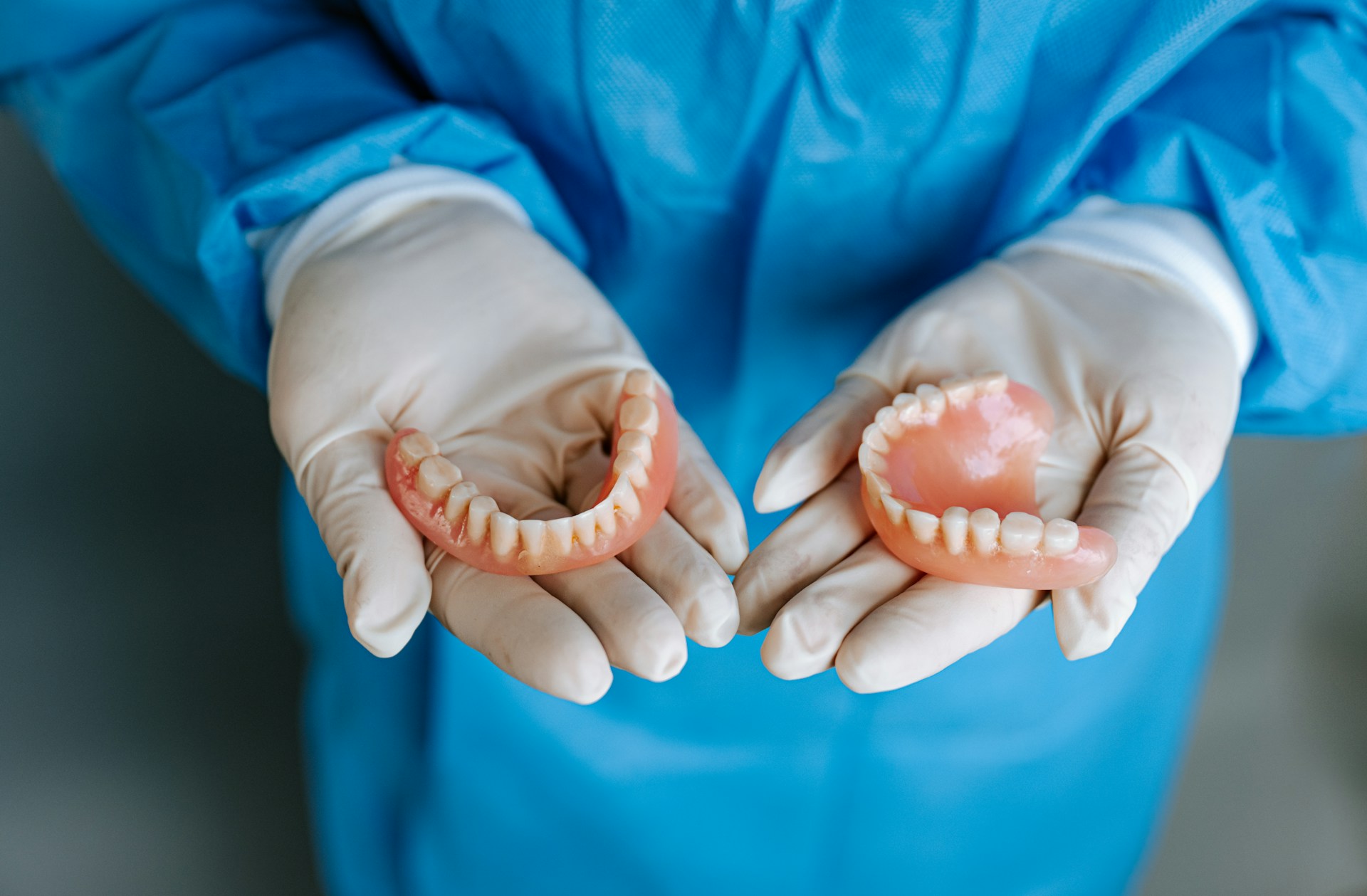
Full mouth reconstruction is a customized treatment plan that rebuilds or replaces most or all of the teeth. It often includes several restorative dentistry services, such as:
Many patients come to us saying they started with “just one crown” or “just a small denture.” Over the years, the bite changed, more teeth broke, and new problems appeared in different areas of the mouth. At a certain point, continuing to repair one tooth at a time can:
This is where a comprehensive look at the whole mouth, rather than piecemeal work, starts to be the smarter and more predictable option.
One of the biggest warning signs is when old dental work keeps failing. You may notice:
If your mouth feels like it has dental work from several different eras and nothing fits together quite right, that patchwork may be working against you.
Another red flag is widespread wear and fractures. We often see:
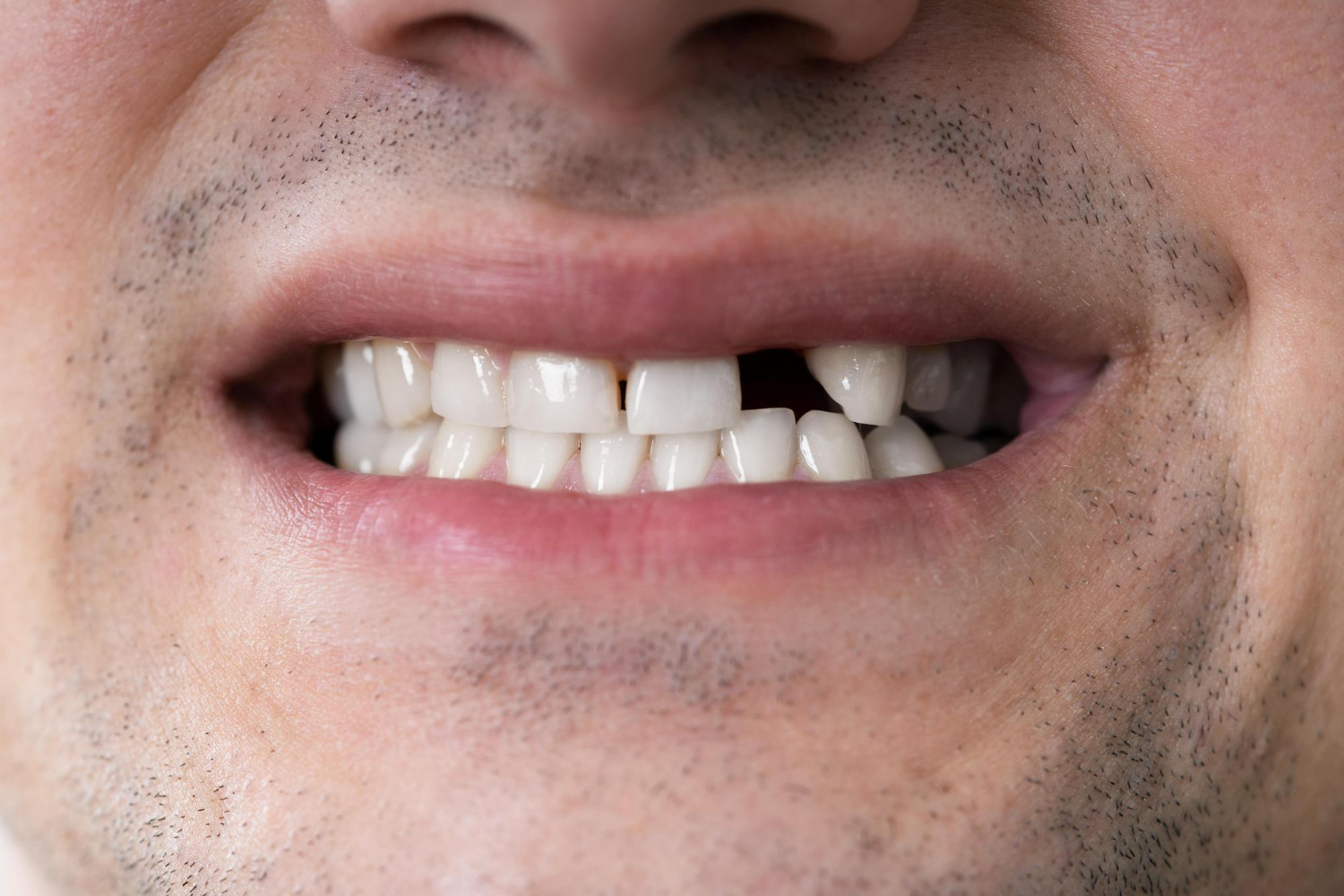
Missing or severely decayed teeth add to the problem. When there are gaps on one or both sides, you might:
At this stage, simply adding another single crown or partial denture may not solve the bigger picture.
Your teeth, jaw joints, and chewing muscles are designed to work together like a balanced system. When some teeth are tall, some are short, and others are missing, that balance is lost. An unbalanced bite can lead to:
The strain is not just on the teeth. Uneven chewing or grinding can stress the jaw joints and muscles, which may contribute to:
If the bite itself is off, fixing one tooth at a time often does not relieve the strain. The repaired tooth has to fit into a system that is already unstable.
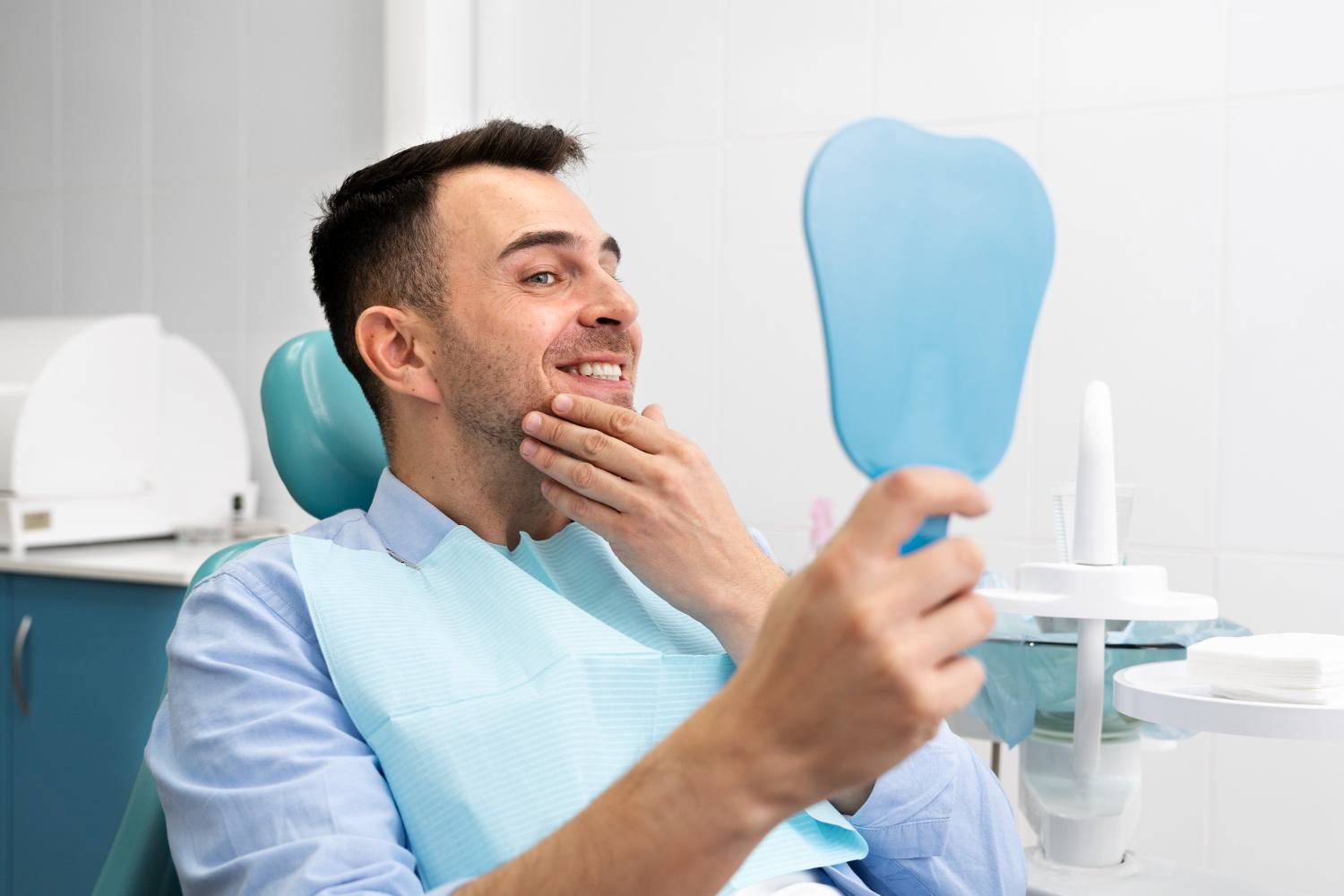
All of this affects daily life. Many patients limit foods they enjoy because they are worried about breaking something or getting food trapped under a denture. Others feel hesitant to smile, laugh, or speak freely because of missing or mismatched teeth. A well-planned full mouth reconstruction uses restorative dentistry services to improve:
We typically begin to recommend a full mouth approach when clear patterns show up across the entire mouth, such as:
In these situations, single tooth fixes often fall short. Each new crown or filling must fight against an unstable bite, so:
Common triggers for a full mouth consultation include a sudden dental emergency that reveals deeper issues, ongoing difficulty with current dentures, or the clear feeling that patchwork dentistry is no longer working. Many people simply reach the point where they want a stable, lasting solution that makes sense as a whole.
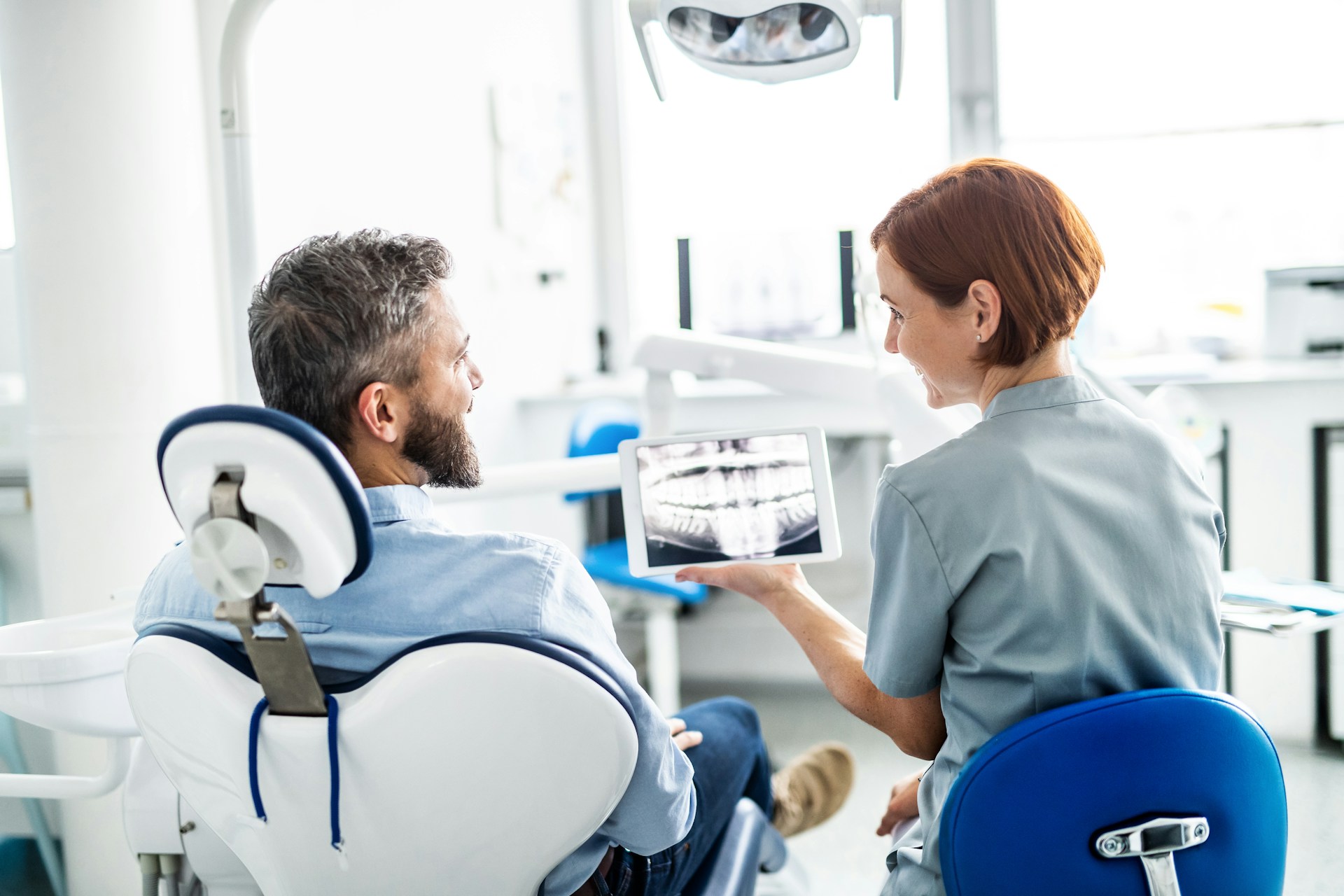
A careful full mouth reconstruction always starts with a thorough evaluation. We typically look at:
Digital X-rays, 3D imaging, photos, and bite analysis help us understand how everything functions, not just how it looks. We also discuss your health history, medications, and comfort preferences, including sedation dentistry options for longer or more complex visits.
From there, we create a step-by-step blueprint that may include:
We always prioritize health first, such as removing infection, treating gum disease, or recommending bone grafting for implants when needed. Cosmetic improvements, like full smile makeovers or porcelain veneers on remaining teeth, are planned once the foundation is strong.
For many seniors and medically complex patients in The Villages, treatment is phased. This helps with:
Throughout the process, temporary restorations protect the teeth and give you a chance to test your new bite before final work is placed.
Full mouth reconstruction is not just about making teeth look good. It is about restoring function, comfort, and appearance in a way that fits your daily life. When you are considering a dentist for complex care, it helps to ask:
A thoughtful dentist will discuss realistic expectations, material choices, and different options, from dentures to dental implants, that respect your health and goals. The aim is not a one size fits all “Hollywood smile,” but a stable, attractive result designed to last with good home care, regular visits, and protective tools like night guards for grinders.
When small problems have turned into a mouth full of patchwork, understanding these principles can help you decide when it is time to move from short term fixes to a comprehensive, carefully planned reconstruction that restores your bite and your confidence.
If you are ready to repair damaged, worn, or missing teeth, our restorative dentistry services can help you feel good about your smile again. At Shrouf Dental House, we take time to understand your goals so we can recommend treatments that fit your health, comfort, and budget. Reach out to contact us and schedule an appointment so we can create a personalized plan to restore your teeth and protect your long-term oral health.