 By: Dr. Isaac M. Alshrouf
 If it’s been a long time since your last visit to the dentist, it’s normal to feel a little unsure about what to expect. We understand that. A dental exam in The Villages isn’t about judgment or pressure, it’s about giving your teeth, gums, and entire mouth the attention they deserve. Whether you have natural teeth, dentures, or dental implants, spring is a great time to get things checked and reset for the year ahead. Florida weather makes it easy to get out and take care of appointments early in the season, long before summer gets busy.
Dental visits are an important routine that does more than just maintain appearances. Regular appointments help spot issues before they grow and ensure comfort in daily activities, such as eating and speaking. For many people, taking the first step back into the dentist’s office is the hardest part, but understanding what goes into a standard appointment can help ease any anxiety you might be feeling. Each phase of a dental exam is designed to keep you informed, comfortable, and empowered in making decisions for your health.
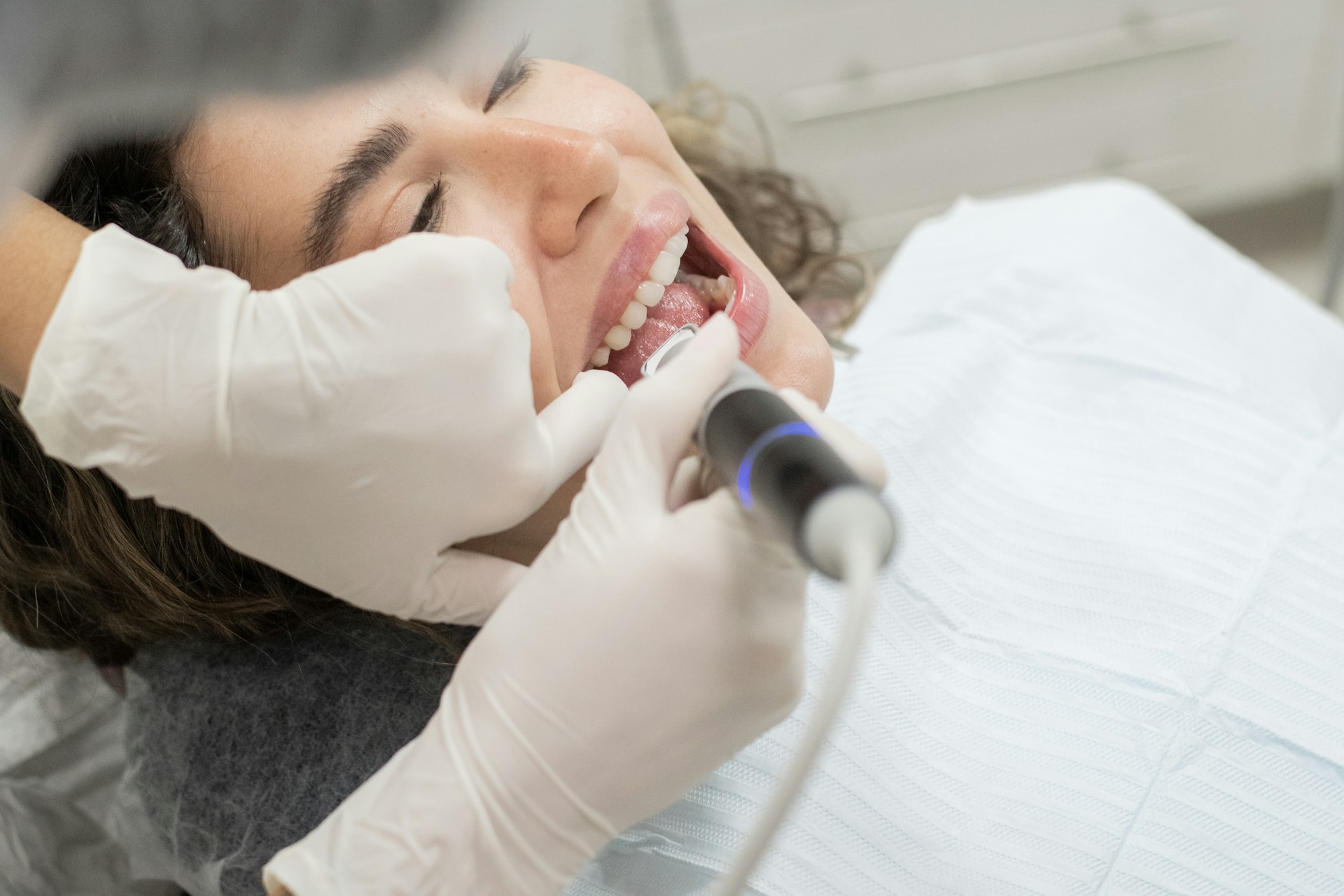
Your dental exam begins with a close look in the mirror, literally. We start with a visual inspection and take our time looking at every area of your mouth.
• We examine teeth for signs of decay, wear, cracks, or shifting
• We check your gums for redness, swelling, or bleeding
• We look at the tongue and inner cheeks to spot inflammation or irritation
At every visit, we also review your medical and dental history to see what might have changed. If you’ve started new medications or noticed symptoms like dry mouth, ongoing bad breath, or pain while chewing, these are all helpful to share. We always want to hear your questions or concerns, especially if something has been bothering you for a while.
This initial review helps set the stage for the rest of the appointment. By knowing about changes in your health or habits, the dental team tailors their approach to your current needs. Even seemingly minor symptoms or issues can provide clues to underlying problems, making it important to share anything that feels different since your last exam.
A healthy mouth doesn’t just happen on its own. That’s why dental exams often go hand in hand with preventive services.
• Our hygienist provides a thorough cleaning and hygiene to gently remove tartar and plaque build-up
• We perform oral cancer screenings to look for unusual tissue in your cheeks, tongue, or throat
• If needed, we recommend fluoride treatment to help protect tooth enamel
These steps are simple but go a long way. Many of the dental issues we see don’t cause pain right away, so picking up on subtle changes during routine care makes a real difference.
Preventive care is about catching small changes before they become painful or expensive to repair. Cleanings are also a great way to reset your mouth, giving you that fresh feeling and making it easier to keep up with at-home care. Regular screenings are another layer of protection. By looking for unusual tissue changes or abnormalities, we create opportunities to treat concerns early. Fluoride treatments, comfortable and quick, offer extra support for your enamel, especially if you have a history of cavities or sensitive teeth.
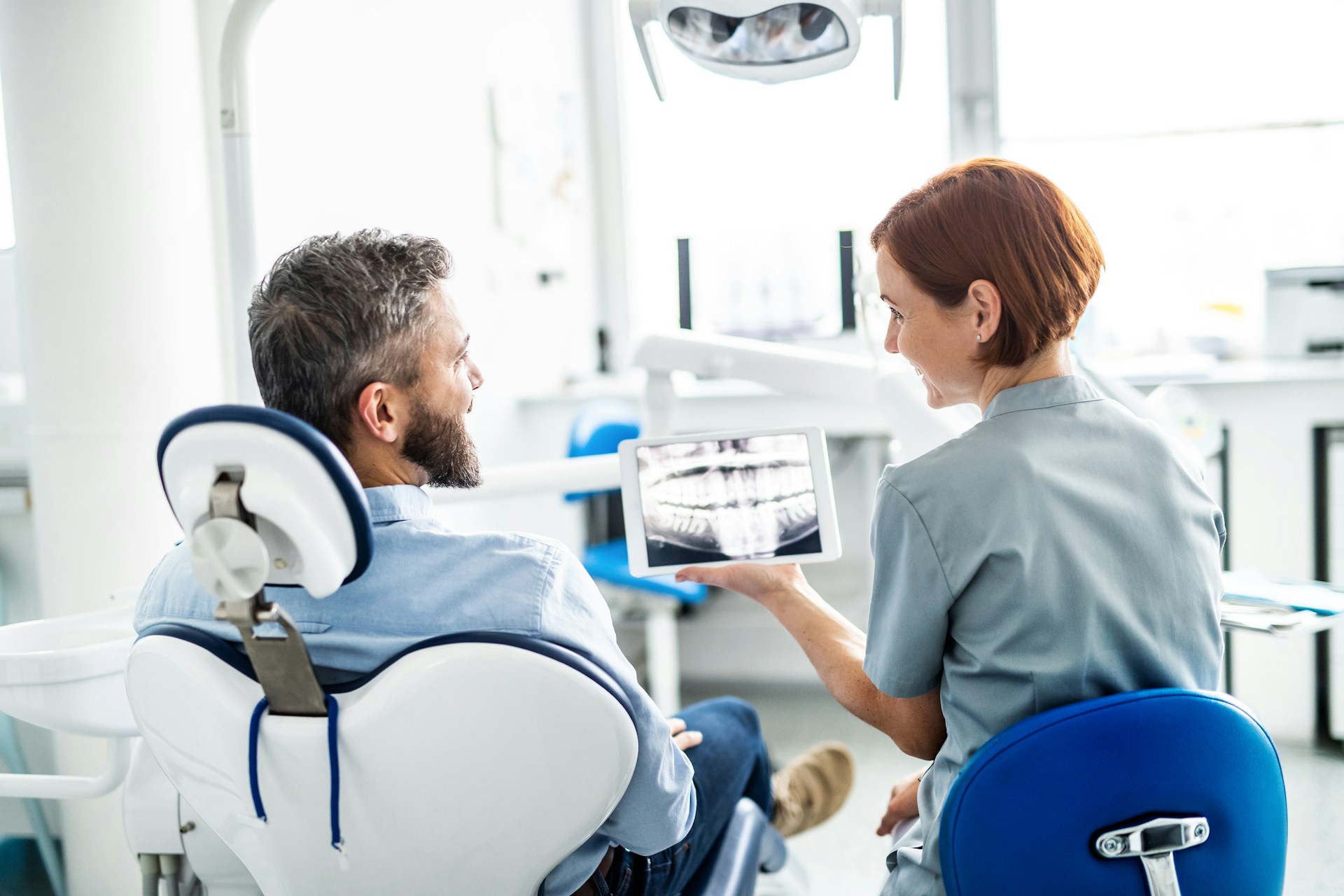
A visual exam only shows part of the picture. We may use digital X-rays if we need a better view beneath the surface.
• X-rays help us see hidden cavities between teeth
• We check for bone loss, past infection, or movement under crowns or bridges
• They allow us to assess fit and alignment with existing dentures or dental implants
If there are concerns about long-term wear or function, we’ll talk through what we find and work with you to plan what comes next. That might be routine observation or discussing your options to prevent more damage down the line.
Dental X-rays are a valuable diagnostic tool that can offer essential information unobtainable from surface-level assessments alone. These images help detect problems before they become visible or symptomatic, such as weakened roots, hidden infections, or decay beneath restorations. The ability to evaluate the fit and function of prosthetics ensures your appliances support your bite and comfort as intended. By incorporating these diagnostic aids, we guide patients in making informed choices about ongoing care or potential interventions.
Sometimes we do spot something that needs treatment. There's no need to panic. Most dental concerns have straightforward solutions when caught early.
• Small areas of decay can usually be fixed with dental fillings
• We may suggest dental crowns for weakened or cracked teeth
• Gaps from missing teeth can be replaced with a dental bridge or dental implants
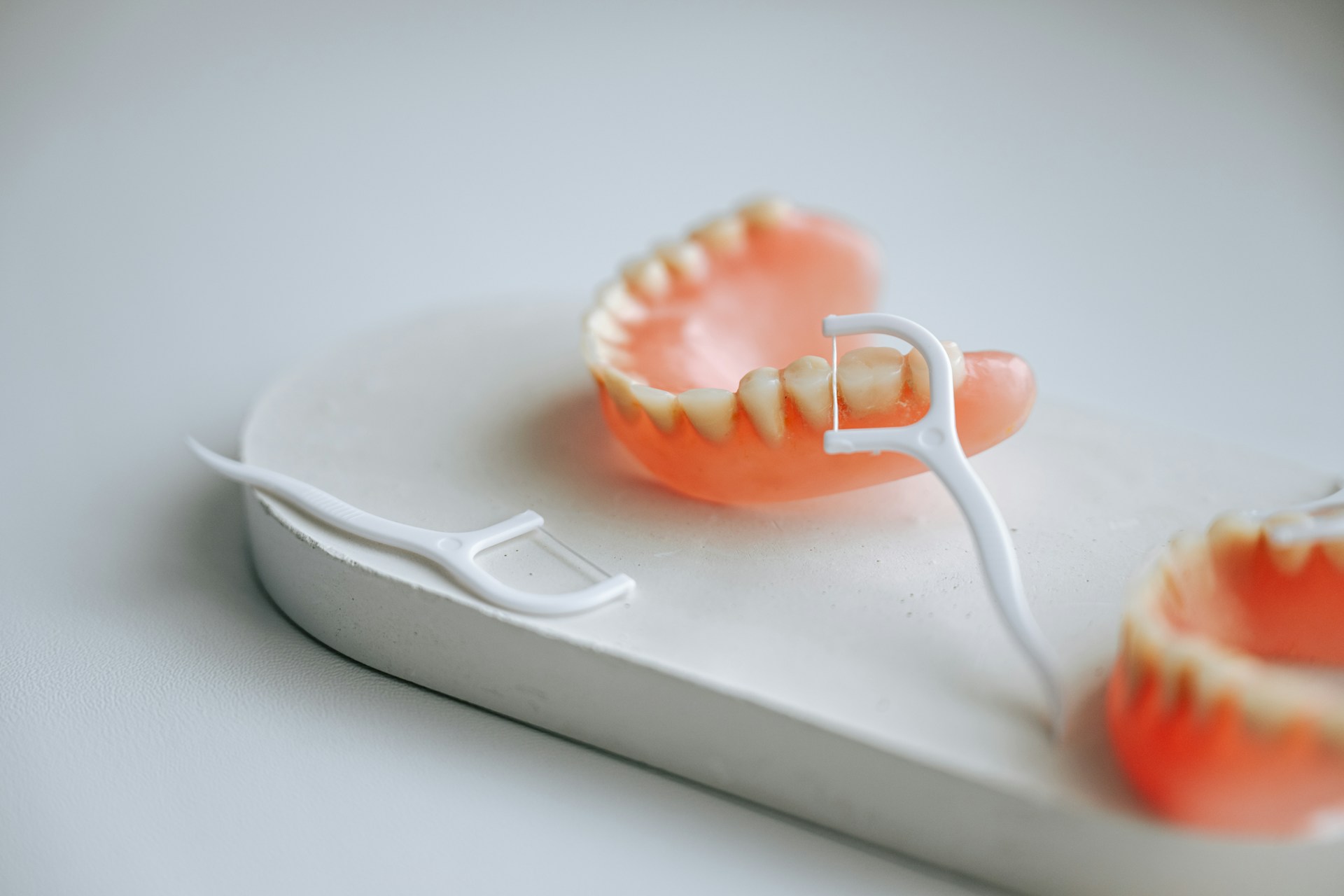
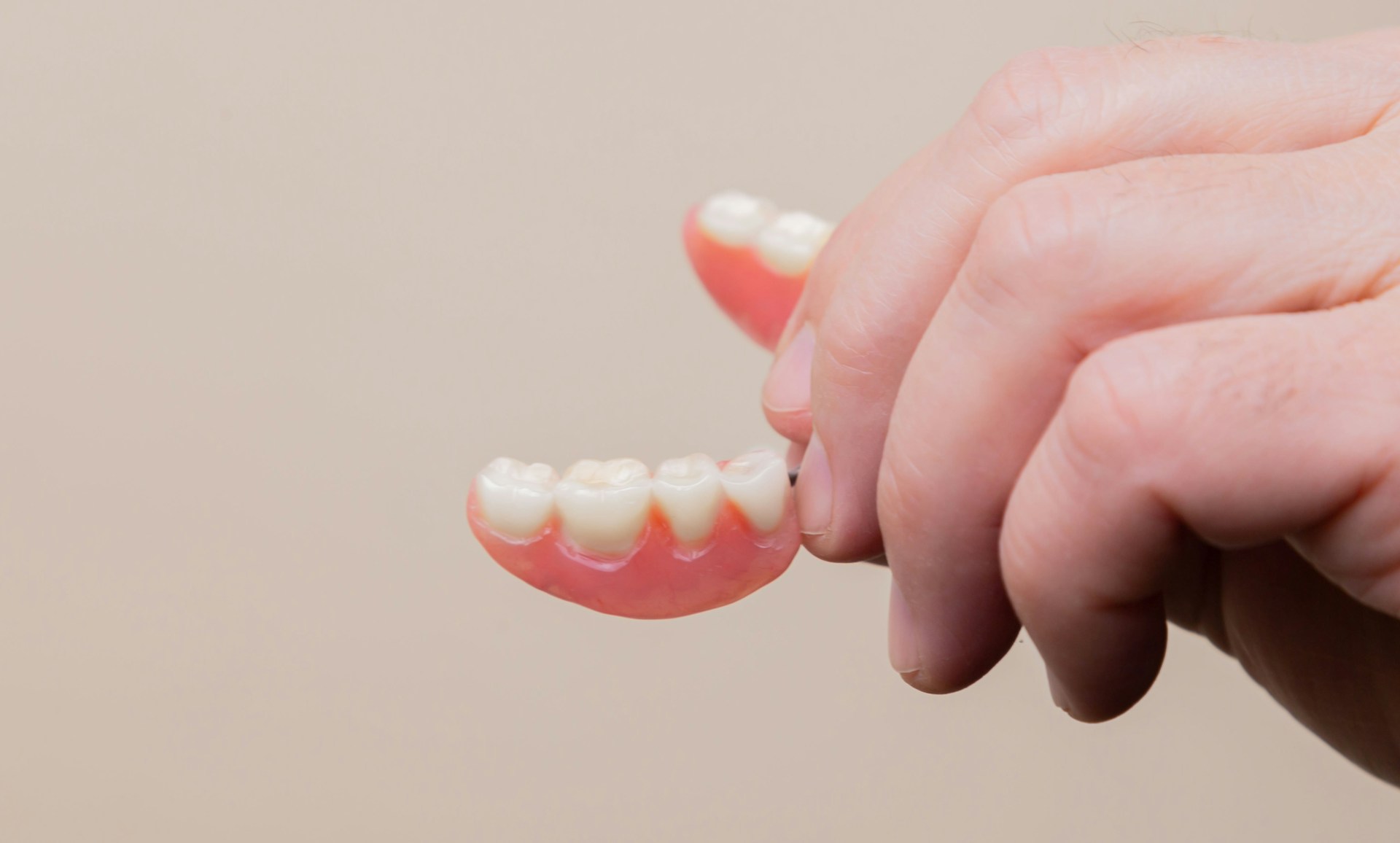
For older adults, we often discuss age-related needs too. This can include repairing broken dentures, addressing shifting bite pressure, or considering upgrades like implant-supported dentures. The goal is always to keep your mouth comfortable and functional.
Treatment recommendations are personalized and explained so you know the “why” behind every suggestion. Fixing issues early reduces your risk for pain and more expensive procedures in the future. We are committed to helping you feel confident about your care plan, offering step-by-step details if an intervention is advised. It’s important to know that no issue is too small or embarrassing to ask about. Being proactive leads to more predictable and comfortable outcomes.
Every mouth has its own needs, and we want to help keep yours feeling good now and into the future.
• We may suggest mouth guards to protect against nighttime grinding
• If any of your existing appliances feel loose or worn, we can schedule denture repair services or plan for denture replacement services
• If deeper work is needed, like root canal treatment or tooth extraction, we may use dental sedation to make the process as relaxed as possible
By planning ahead and taking things one visit at a time, it’s easier to avoid sudden issues or emergency appointments.
Long-term oral health means making small adjustments as life changes. Our teeth, gums, and appliances will need occasional tweaks to remain comfortable, functional, and secure. Discussing night guards for grinding, or monitoring the fit of dentures and implants, allows for early intervention. This approach helps prevent minor discomfort from becoming major obstacles in your daily life. Ensuring a good fit with any appliance also supports nutrition and confidence in social settings, so you can eat, speak, and smile without worry.
Getting a dental exam in The Villages doesn’t take much time, but it can make a big difference in how your mouth feels every day. Whether you're caring for full dentures, looking at fixed full mouth implants, or just maintaining your natural teeth, spring is a smart time to check in.
We like to think of these visits as a reset button. A fresh season, a fresh start, and a healthier path ahead for your smile. There’s comfort in knowing everything’s on track, and if something’s off, you’ll know what needs to happen next.
Let our team at Shrouf Dental House help you return to a comfortable routine with your oral health this season. A spring check-in is a great way to keep your smile healthy, especially if you wear dentures or have dental implants. Staying proactive now can help make any future repairs or replacements easier and bring peace of mind as you head into the warmer months. To schedule your next dental exam in The Villages, call Shrouf Dental House today.