 By: Dr. Isaac M. Alshrouf
 Dental crowns do a big job. They protect weak or damaged teeth so you can keep chewing, smiling, and laughing without worry. Many people in The Villages need crowns because of years of normal wear, cracks, old fillings breaking down, or simply wanting a tooth to look better.
One of the first questions people ask is how long dental crowns in The Villages actually last. The honest answer is that it depends on many things, like how the crown is made, how it fits, and how you care for it at home. When these pieces all work together, a crown can stay strong and comfortable for a long time.
As we move into early summer, with more social events, neighborhood gatherings, and travel, this is a smart time to check on older crowns or plan any needed repairs. A little attention now can mean fewer surprises when your calendar is full and you want your smile to feel rock steady.
Not all crowns are the same, and not all mouths are the same. How long a crown lasts has a lot to do with the tooth underneath and how the bite works on that tooth. If the crown is shaped well and the bite is balanced, it is less likely to chip, crack, or come loose.
Here are some key factors that affect crown life:
• The health of the tooth under the crown
• How carefully the tooth is prepared
• How the upper and lower teeth meet when you close
• Existing fillings, cracks, or decay in nearby teeth
Many residents in The Villages have older dental work that has done its job for many years. Over time, fillings can leak, teeth can shift, and gums can change. On top of that, common health conditions and medications can cause dry mouth, which makes decay more likely around the edges of a crown.
Teeth grinding, or bruxism, is another big issue. Even if you are active and feel healthy, grinding can put heavy pressure on crowns and natural teeth. Without support, that pressure can shorten the life of a crown.
A custom plan that looks at all of these details before placing or replacing a crown can make a big difference. When bite issues, dry mouth, or grinding are spotted early, you are less likely to have sudden breakage, sharp edges, or repeated work on the same tooth.
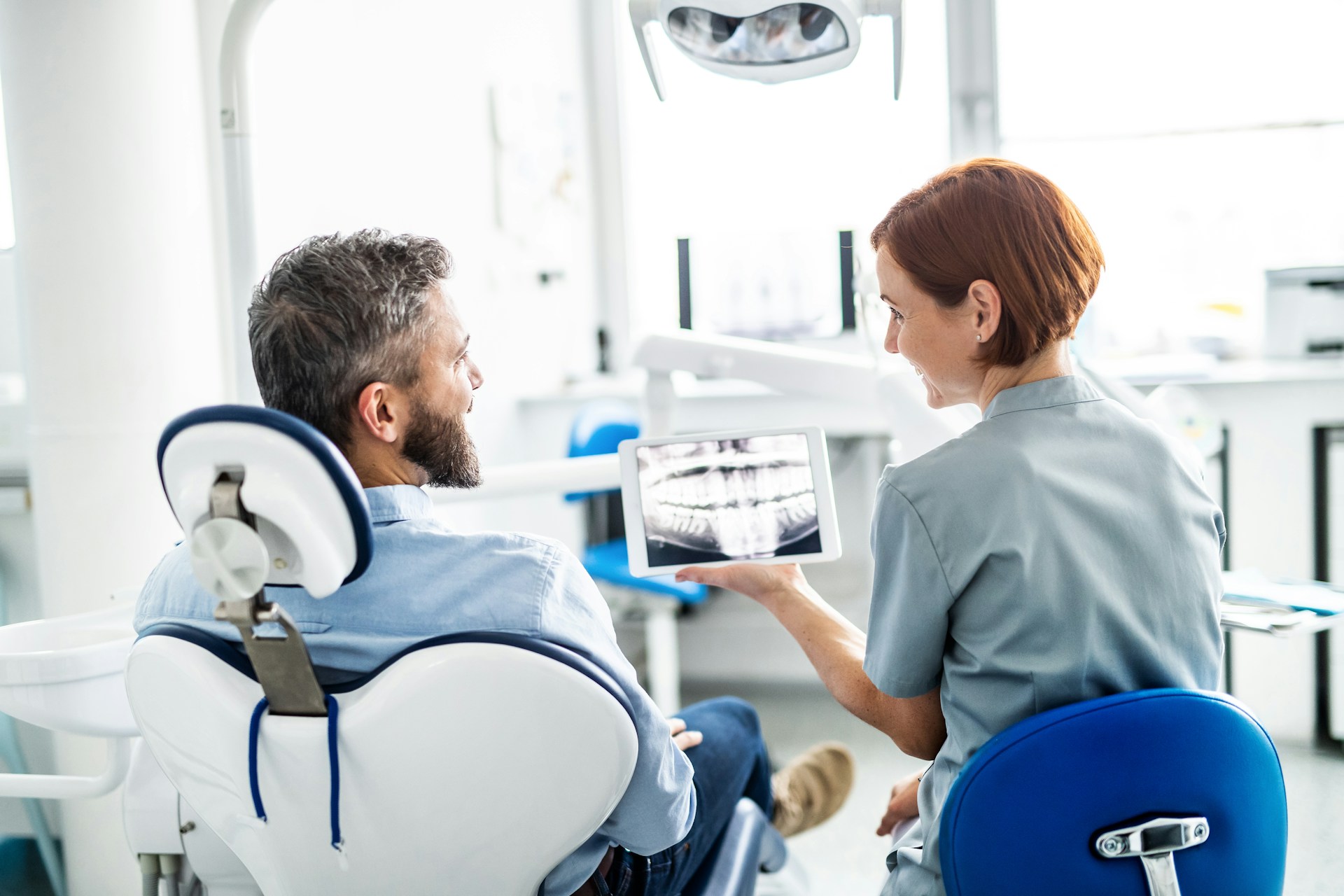
Good planning and good tools help crowns fit better and last longer. Digital impressions and 3D imaging let us see your teeth in very fine detail without messy putty trays. This improves comfort and also helps create crowns that match the natural shape of your tooth more closely.
With this kind of imaging, we can:
• Check how your upper and lower teeth meet
• See small cracks or weak spots in the tooth
• Find failing fillings that need support before crowning
• Plan the shape and thickness of the crown more precisely
Modern crown materials also play a big part. High-strength porcelain and zirconia are common choices. We look at:
• Where the tooth sits in your mouth
• How much biting force it takes
• How much of the tooth shows when you smile
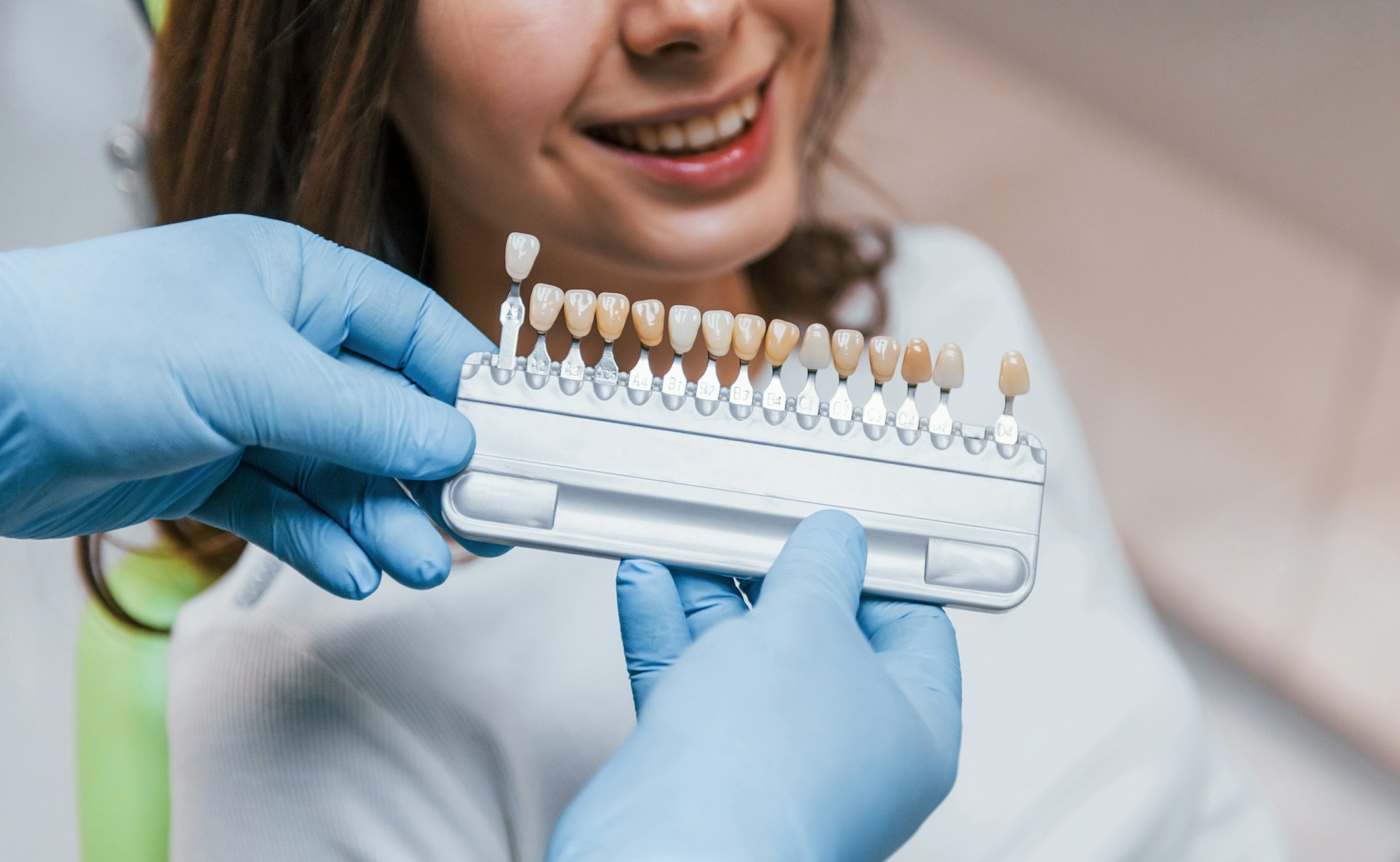
• Your goals for color and appearance
By matching the material to your bite and your smile, the crown can handle chewing better and still look very natural. This careful planning means fewer remakes, fewer surprise adjustments, and more predictable, long-term results. For many people who want stable dental crowns in The Villages, that peace of mind matters as much as how the tooth looks on day one.
Even the best-made crown needs good home care. The tooth under the crown can still get a cavity, especially around the edges where the crown meets the gum. Keeping that area clean helps the crown last longer and keeps your gums healthier too.
Daily habits that help include:
• Brushing twice a day with a soft toothbrush
• Paying special attention to the gumline around crowns
• Flossing gently along the edges of the crown
• Using fluoride products if recommended by your dentist
Certain habits can chip or loosen a crown over time. It helps to avoid:
• Chewing ice or hard candy
• Biting on pens, fingernails, or hairpins
• Tearing open packages with your teeth
• Clenching or grinding, especially at night
If you tend to grind or clench, a custom night guard can protect both crowns and natural teeth by spreading out the pressure. Many active retirees do not realize they grind until they see wear on their teeth or wake up with a sore jaw.
Regular checkups and professional cleanings are also key. At these visits, your dental team can watch for early gum changes, tiny fractures, or slight looseness. Catching these small signs early often means a quick polish or adjustment instead of a full replacement.
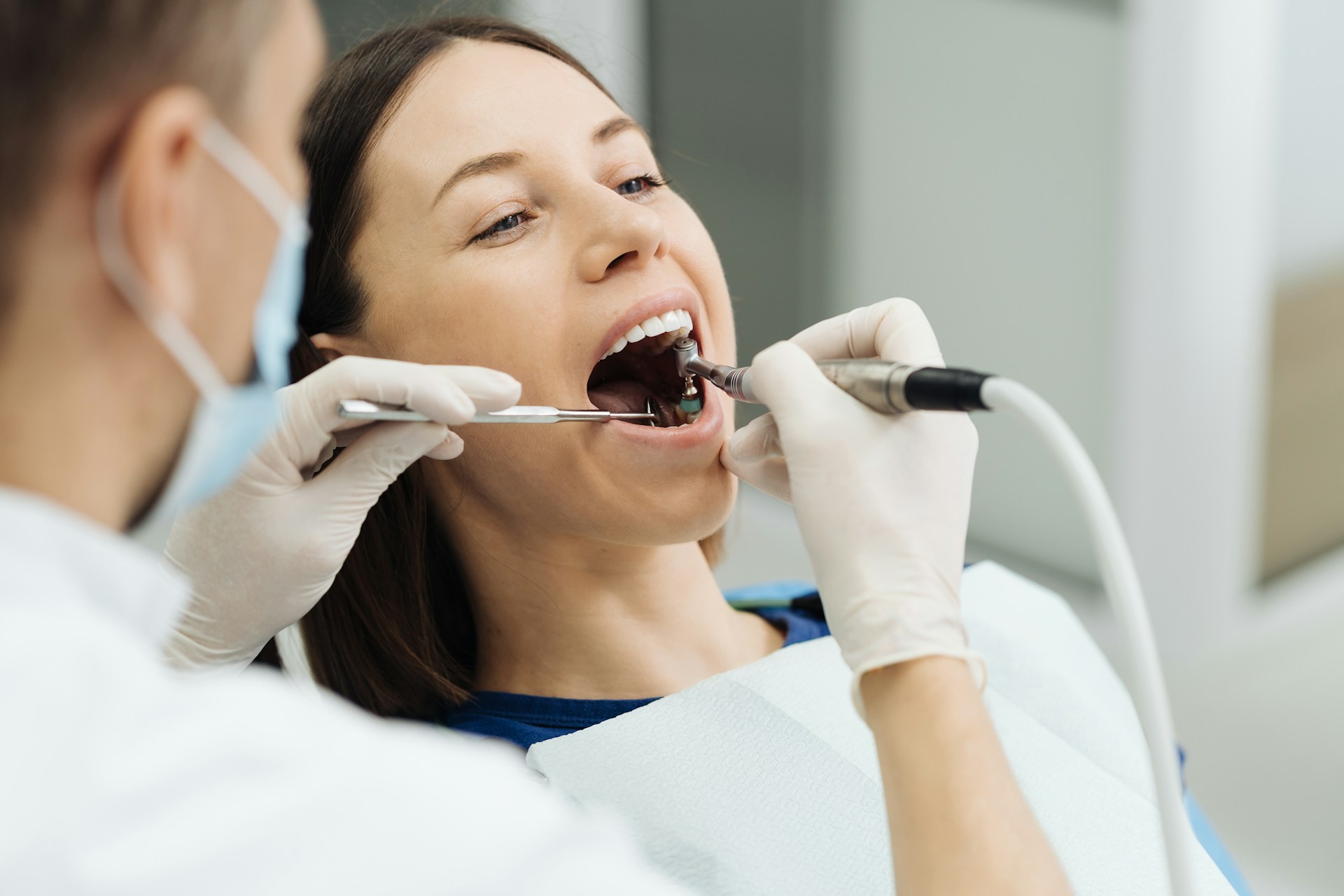
Comfort during crown visits is not just about feeling relaxed in the chair. It can also affect the quality of the final result. When you are calm and not rushing, the dentist can take the time needed to shape the tooth, take detailed impressions, and fine-tune the bite.
Some people feel anxious, have a strong gag reflex, or find it hard to sit still for longer visits. Sedation options can help those patients get through crown work more smoothly. This can mean:
• Less tension in your jaw during the visit
• Fewer sudden movements while impressions are taken
• More time to carefully adjust how your teeth meet
• Less chance of skipping or delaying needed visits
When appointments move at a steady, comfortable pace, there is more room for small adjustments that make a big difference later. A crown that fits well, feels natural when you bite, and does not hit too hard on one side will usually last longer and put less stress on the teeth around it. A calm experience can also make it easier to follow through with home care and future checkups.
Crowns are strong, but they are not meant to last forever. The key is knowing when something is off so you can get it checked before it becomes an emergency. Signs that a crown might need attention include:
• Sensitivity at the gumline around the crown
• A dark line near the edge of an older crown
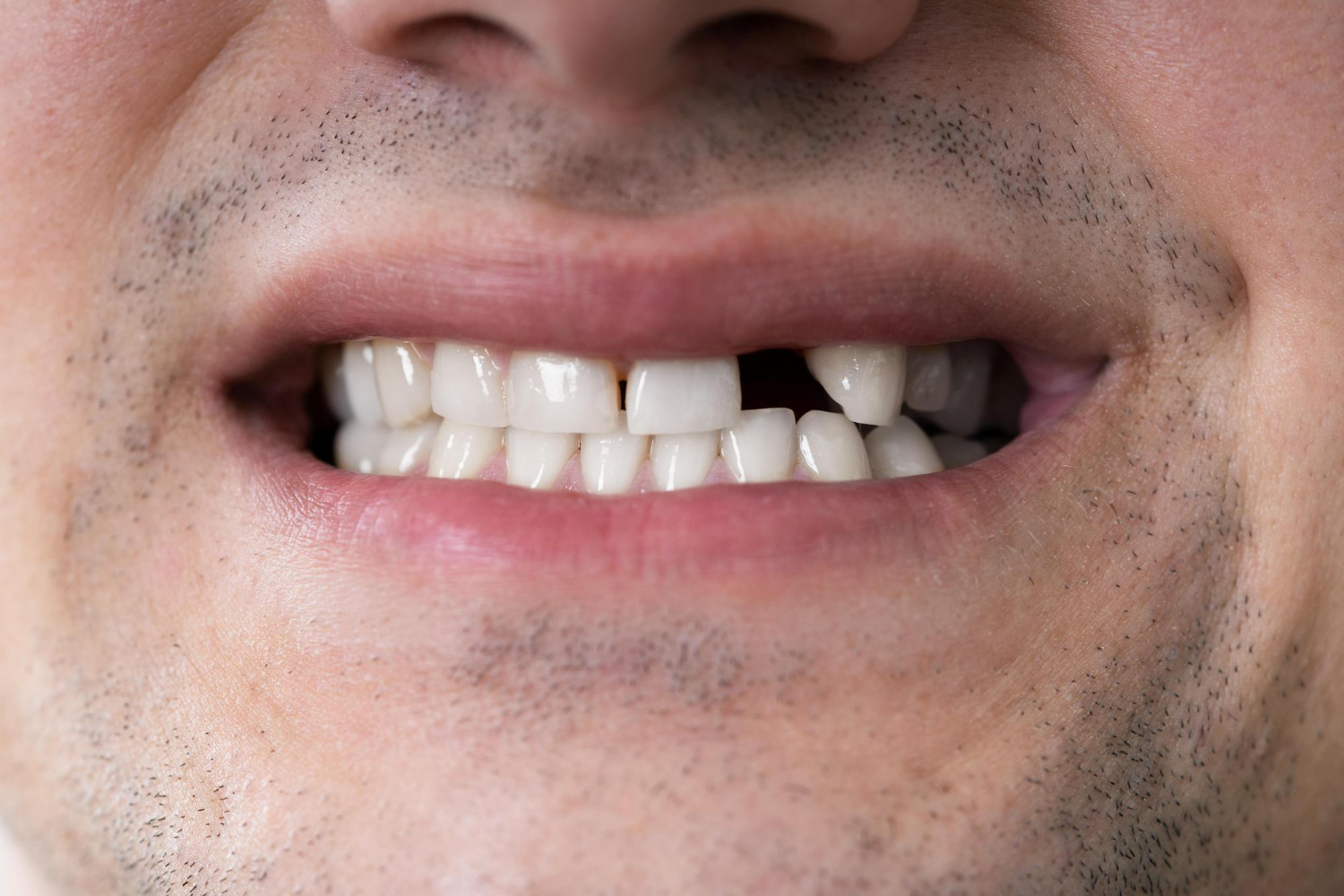
• Visible chips or cracks
• Feeling like the crown is loose or wiggling
• Food getting stuck around the crown more than before
• Pain or pressure when you bite down on that tooth
If you notice any of these changes, a timely exam can show whether the crown just needs a small adjustment or if it is time for a new one. Sometimes a crown can be polished, the bite can be refined, or the area can be cleaned and treated so you can keep it longer.
With summer plans, travel, and family visits, it helps to get these checks done before your schedule fills up. Finding problems early often means simpler treatment, more saved tooth structure, and less stress on your calendar. That way your smile stays ready for photos, dinners, and every sunny day in The Villages.
If you are noticing chips, cracks, or worn teeth, we can help you protect your smile with personalized dental crowns in The Villages. At Shrouf Dental House, we carefully evaluate your bite and tooth structure so your new crown looks natural and feels comfortable. Schedule an appointment today to talk with our team about your options and create a treatment plan that fits your goals and budget.