By: Dr. Isaac M. Alshrouf
 A failing dental crown has a way of showing up at the worst time. You are getting ready for spring photos, planning beach days, or meeting friends on the square, and suddenly that tooth feels sharp, loose, or the crown pops off in your hand. It is not only annoying, it can be stressful and a little scary.
A bad crown is more than a small cosmetic problem. It can cause pain, sensitivity, infection, and even make your other teeth shift. That can change how your smile looks, how your bite feels, and how confident you are when you laugh or talk.
Here, we want to walk through what really happens when dental crowns fail, why it affects both your smile and your health, and how modern care can fix the problem. If you live in The Villages and need strong, natural-looking dental crowns in The Villages before your next trip or family visit, it helps to know what is going on in your mouth and what your options are.
A dental crown is like a custom helmet for a damaged tooth. It covers the whole visible part of the tooth above the gumline. We use crowns when a tooth is:
• Cracked or broken
• Worn down from grinding or large fillings
• Treated with a root canal
• Heavily decayed and too weak for a simple filling
By wrapping around the tooth, the crown helps protect against more cracking or breaking, restore normal chewing and biting, and seal the tooth from bacteria and plaque.
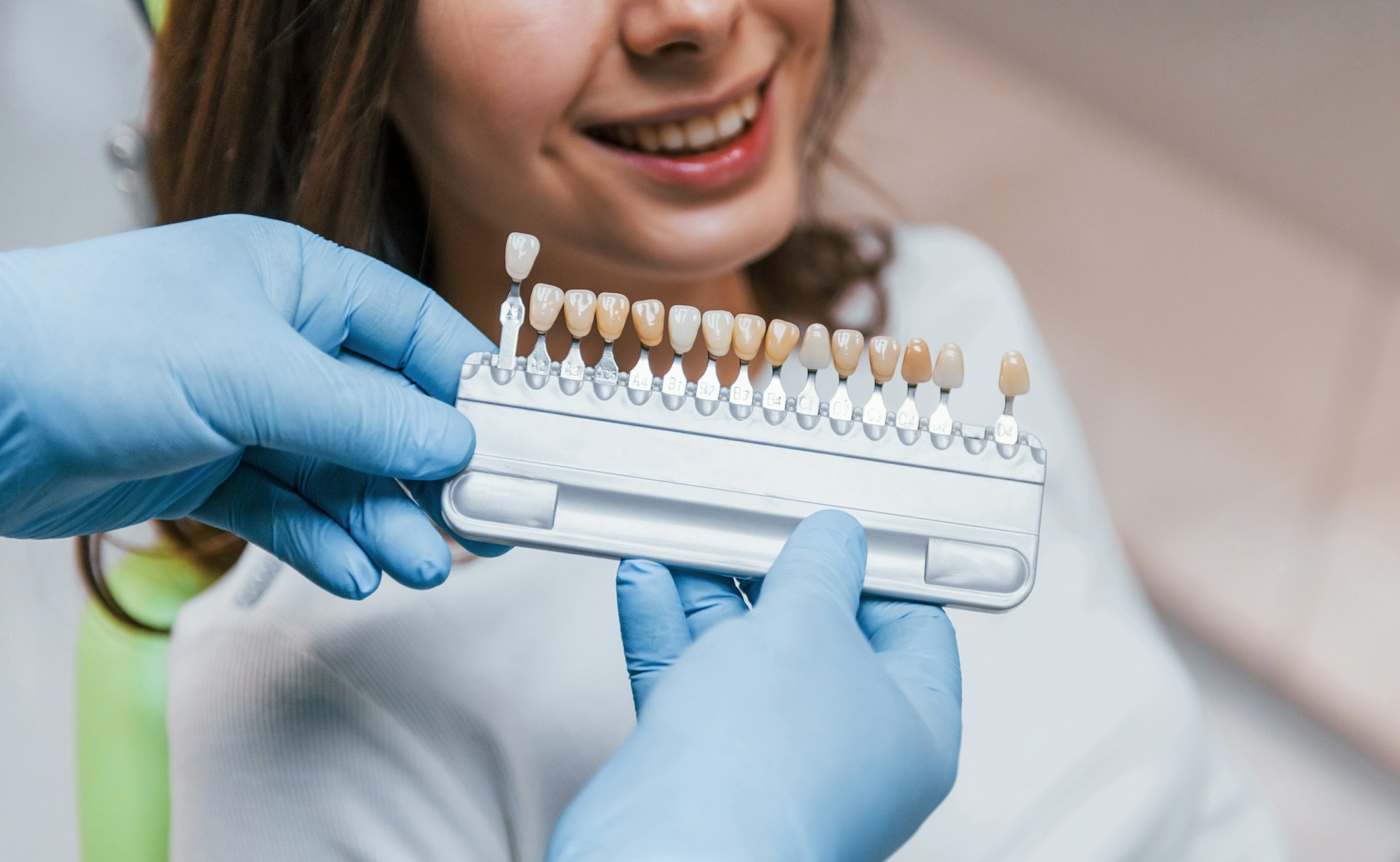
Crowns also have a big cosmetic job. They can change the shape, size, and color of a tooth so it blends with your smile. A well-made crown can:
• Close small spaces
• Make teeth look straighter in the smile line
• Brighten dark or stained teeth that do not respond well to whitening
When a crown is made and fitted well, it helps keep your bite balanced. That supports your jaw joints, your facial shape, and your comfort when you chew. Long-term, a good crown can help you keep your natural tooth and keep your smile looking youthful for all those vacation pictures, holiday parties, and everyday selfies.
Crowns are strong, but they are not forever. Over time, you might notice signs that your crown is starting to fail, such as:
• Chips or cracks
• Rough or sharp edges
• A crown that feels loose or wiggly
• A dark line at the gumline
• Sensitivity to hot or cold
• Pain or pressure when you bite
• The crown popping off completely
Why does this happen? Some common causes include:
• Normal wear and aging of the crown material
• Decay forming where the tooth and crown meet
• Teeth grinding or clenching at night
• A bite that is slightly off, putting extra force on one tooth
• Trauma, like biting something hard or an accident
• An older crown that never fit quite right
When a crown starts to go bad, it can leave parts of the tooth underneath exposed. That exposed area can decay, the gums can get irritated, and nearby teeth may shift to fill any new spaces. Your upper and lower teeth might not meet the same way anymore, which can change how your face looks and how your jaw feels.
The first thing many people notice is the way a failed crown looks. Even if there is no big pain yet, the cosmetic changes can be hard to ignore. Common changes include a gray or dark line near the gums, dark staining around the edge of the crown, one tooth that looks shorter or longer than the others, or new gaps that show when you smile.
Functionally, a failing crown can cause real trouble. Pain or soreness may make you chew mostly on the other side, which can lead to uneven wear and more stress on those teeth. A loose crown can also trap food and plaque, creating:
• Bad breath that does not improve with brushing
• Decay under the crown
• Sore or swollen gums in that area
If infection sets in around the tooth under the crown, the tooth can become very sensitive or even infected at the root. When a failing crown is ignored, the tooth below can fracture or break in a way that cannot be fixed. That may lead to:
• Tooth loss
• Teeth shifting into the empty space
• A bite that collapses over time
• Lips and cheeks looking less supported and more aged around the mouth
So while it might start as a small chip or a funny feeling when you bite, crown problems can slowly change your whole smile.
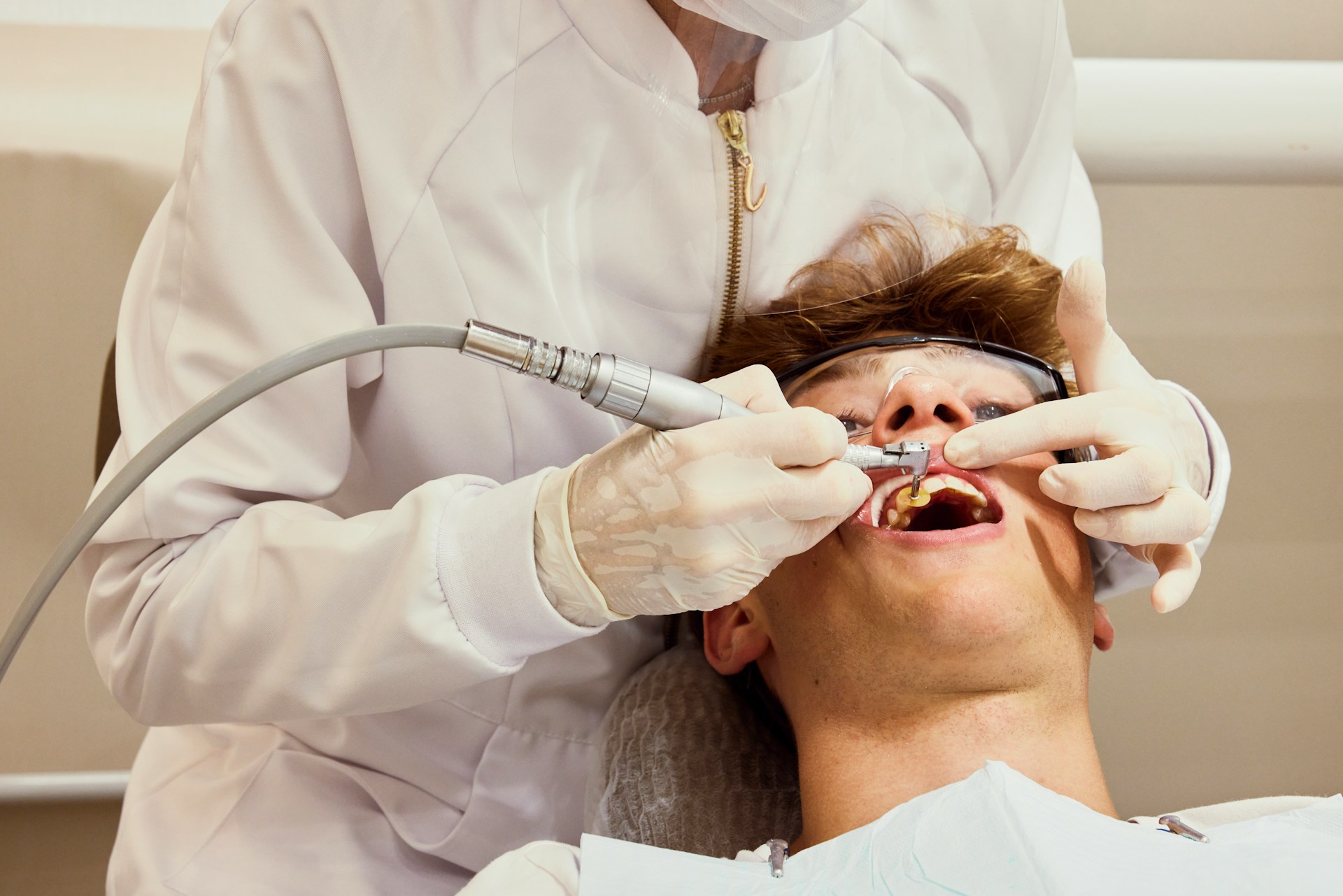
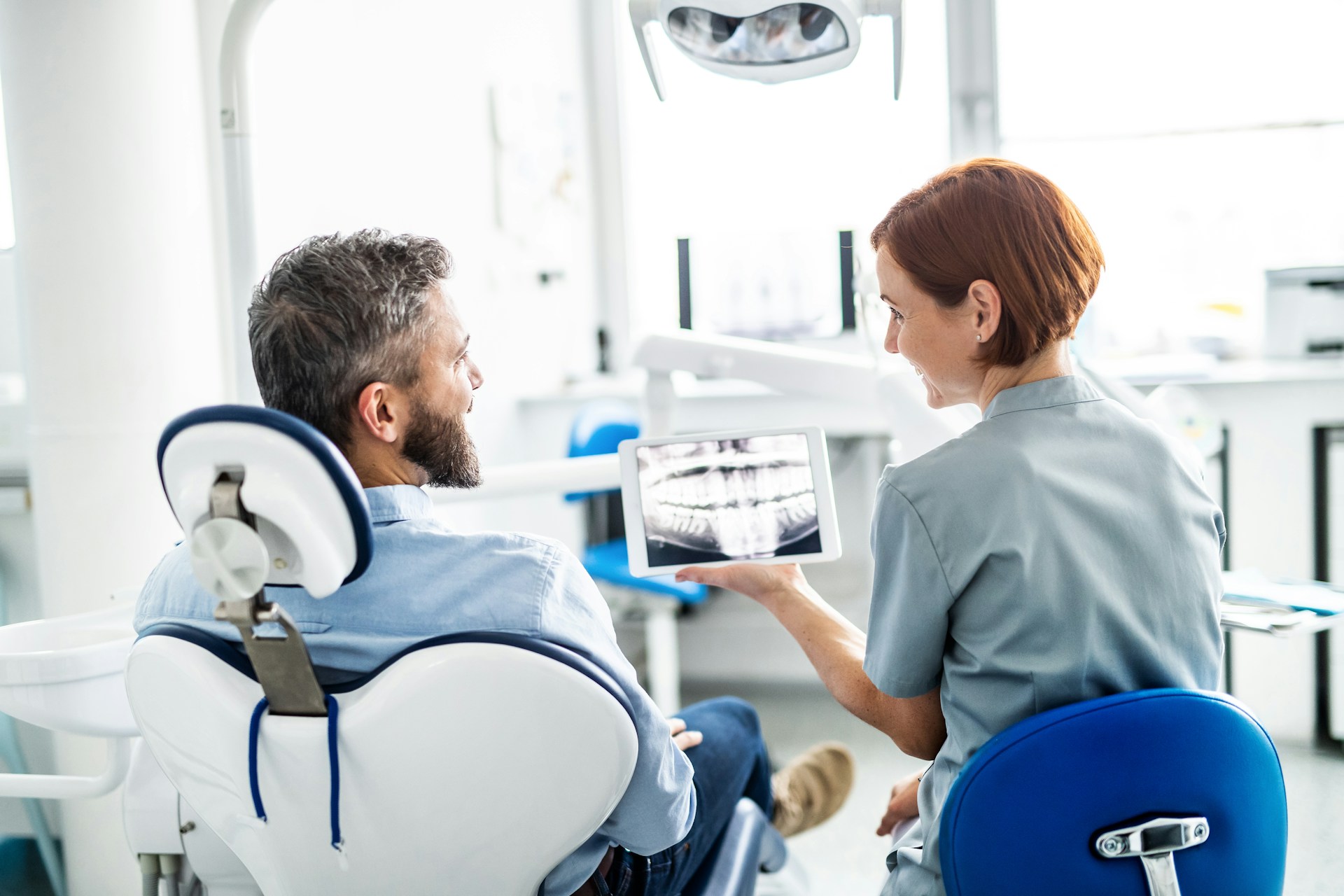
When a crown starts acting up, the first step is a careful exam. We look closely at the crown, the tooth underneath, and the way your teeth come together. That usually includes:
• Digital X-rays to see the roots and bone
• Intraoral photos to spot cracks, gaps, and decay
• Bite checks to see where pressure is hitting too hard
Once we know what is going on, we can talk through your options. Depending on what we see, that might mean:
• Replacing the old crown with a new one made from stronger, more natural-looking material
• Treating decay or cracks under the crown and rebuilding the tooth before placing a new one
• If the tooth cannot be saved, planning an implant and a new implant crown to keep your smile full and stable
For people searching for long-lasting, natural-looking dental crowns in The Villages, modern materials and careful design can make a big difference. A precise fit and a well-balanced bite help lower the chance of more chipping, loosening, or discomfort in the future, so your smile stays ready for family gatherings and travel photos.
Many people put off fixing a bad crown because they are nervous about dental work. That delay often makes the problem worse. Comfortable care starts with good technology and a calm, clear plan.
At our office, advanced tools help us:
• Get detailed digital images for accurate diagnosis
• Use modern scanning or impression methods to design crowns that fit snugly
• Adjust your bite carefully so one tooth does not take all the pressure
Sedation availability can make crown repair much easier for anxious patients. Options like nitrous oxide or oral conscious sedation, when appropriate, can help you:
• Feel more relaxed during treatment
• Sit through longer or more complex visits with less stress
• Catch up on needed care if you have delayed treatment for years
With gentle techniques and planning, most people are surprised at how smooth the process feels. That means you can address failing crowns before busy travel seasons, family visits, reunions, or special events, without a lot of downtime or discomfort.
If something feels off with a crown, your mouth is trying to tell you something. Early warning signs include:
• A strange feeling when you bite
• Food catching or packing around a crowned tooth
• New sensitivity to hot, cold, or sweets
• A dark or gray line near the gums
Catching problems early usually means simpler treatment and fewer surprises. It can help you avoid deep decay and infections, keep more of your natural tooth, lower your risk of needing an extraction, and maintain a bright, natural-looking smile that feels good and works well.
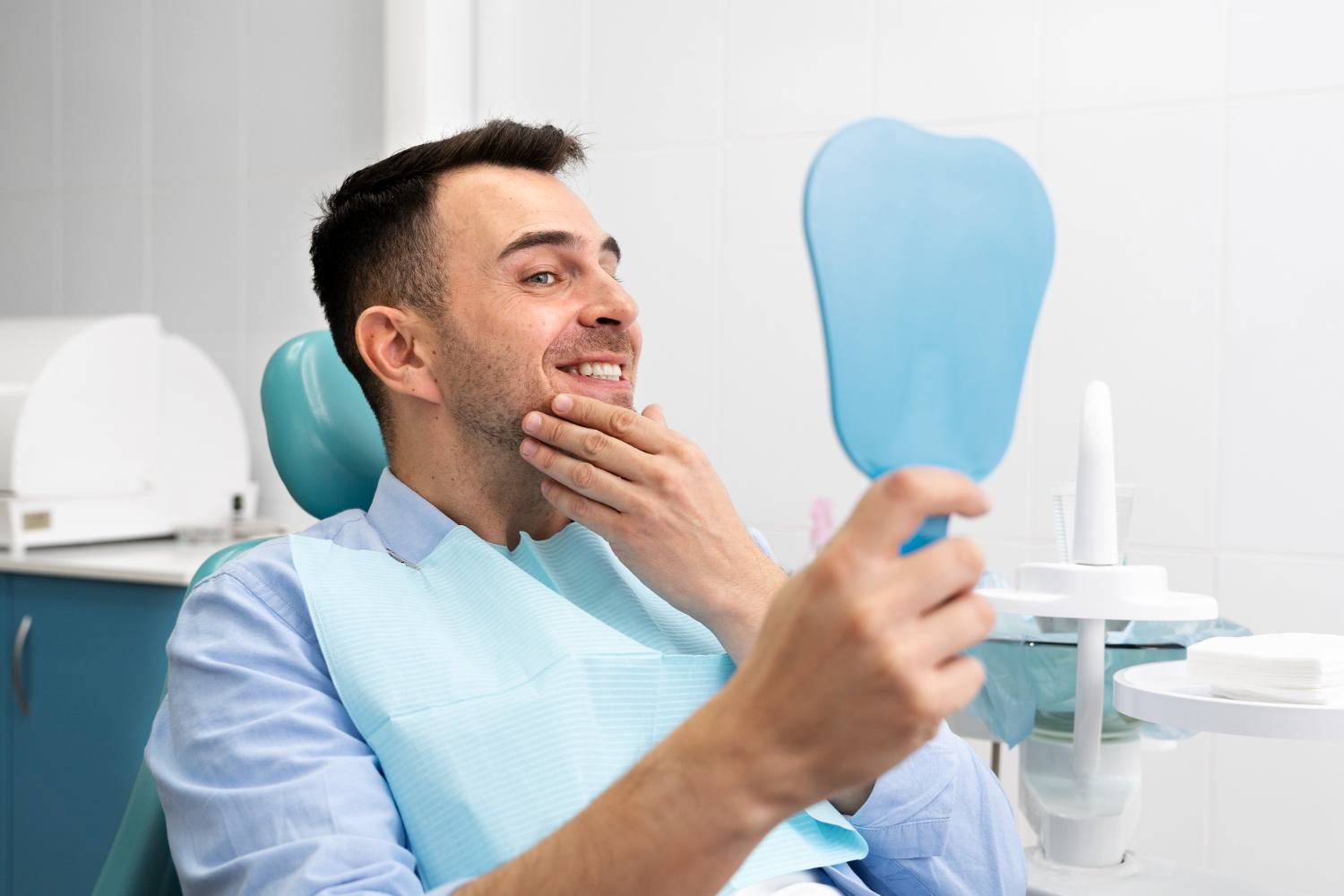
At Shrouf Dental House, we help people in The Villages keep their crowns, implants, and natural teeth working together as a team. With updated dental crowns in The Villages, advanced technology, and sedation availability when needed, it is possible to restore comfort and confidence so your smile is ready for whatever the next season brings.
If you are ready to repair damaged or worn teeth with long-lasting restorations, our team at Shrouf Dental House is here to help. We will carefully evaluate your smile, explain your options, and design dental crowns in The Villages that look and feel natural. Schedule your visit today so we can create a personalized treatment plan that brings back your comfort, function, and confidence.