 By: Dr. Isaac M. Alshrouf
 Tooth pain has a way of showing up at the worst time. Maybe your winter visitors just left, you are getting back to your regular golf or pickleball schedule, and that little zinger in your tooth keeps bugging you, but not quite enough to stop your day. It is easy to think, “I will get it checked after my next trip” or “It only hurts sometimes, so it can wait.”
That delay is what often turns a small, simple problem into a bigger one. We want to walk you through what dental fillings actually are, how to know when you might need one, what your options look like in The Villages, and what you can expect if you decide to get it taken care of with a modern, comfortable approach.
Many people in our area put off dental visits until the season slows down. Between family visits, travel, and activities, it can feel easy to push tooth care to the bottom of the list. A little ache here or there does not seem like a big deal, especially if it comes and goes.
Here is the problem: cavities usually start small. Bacteria in your mouth feed on sugars from things like:
• Sweets and desserts
• Citrus fruits and juices
• Sweet tea or soda
• Sticky snacks that cling to your teeth
Over time, those bacteria create acid that eats away at your tooth enamel. At first, you might not feel anything at all. Then you may notice a quick zing with cold water or a little ache after a sweet snack. If decay keeps going, it can break through the stronger outer layer of the tooth and move into the softer inner layer. That is when pain often ramps up.
The good news is that modern dental fillings in The Villages are usually much easier than people expect. With advanced technology, gentle techniques, and sedation availability for those who feel nervous, a filling appointment can be comfortable, efficient, and very different from what some remember from years ago.
A filling is not just about “covering a hole.” When we place a filling, we:
• Remove the decayed part of the tooth
• Clean the space so bacteria cannot stay trapped
• Restore the missing tooth structure
• Seal the area to help prevent decay from going deeper
There are several common signs that you may need a filling:
• Sensitivity to hot or cold that sticks around after the temperature changes
• Pain when chewing on one side
• A visible dark spot, stain, or pit on a tooth
• Food getting stuck in the same spot again and again
• A chipped or broken edge that feels sharp or rough with your tongue
Waiting until a tooth really hurts is risky. By that point, decay may be close to, or into, the nerve of the tooth. Instead of a simple filling, you might need:
• A larger restoration like a crown
• Root canal treatment to calm an infected nerve
• In some cases, removal of the tooth if it cannot be saved
These treatments often take more visits and more healing time than a basic filling. Catching decay early can protect more of your natural tooth and help keep your smile stronger in the long run.
Not all fillings are the same. Different materials are used for different needs, and we help choose what fits your tooth and your goals.
Common options include:
• Tooth-colored composite fillings
• Porcelain or ceramic inlays and onlays
• Metal or other specialty materials in certain cases
Tooth-colored composite is often a favorite for many front and back teeth. It blends with your natural tooth shade, so most people will not notice it when you smile or talk. Composite also allows us to be more conservative, keeping as much healthy tooth as possible because it bonds to the tooth.
Porcelain or ceramic inlays and onlays are custom pieces made to fit your tooth like a puzzle piece. They can be a great choice when a cavity is too large for a basic filling but not large enough to need a full crown. They are also tooth-colored and designed to match your surrounding teeth.
Metal and other materials are used less often now, but they can still be helpful in certain situations, such as areas that need extra strength or have heavy biting pressure.
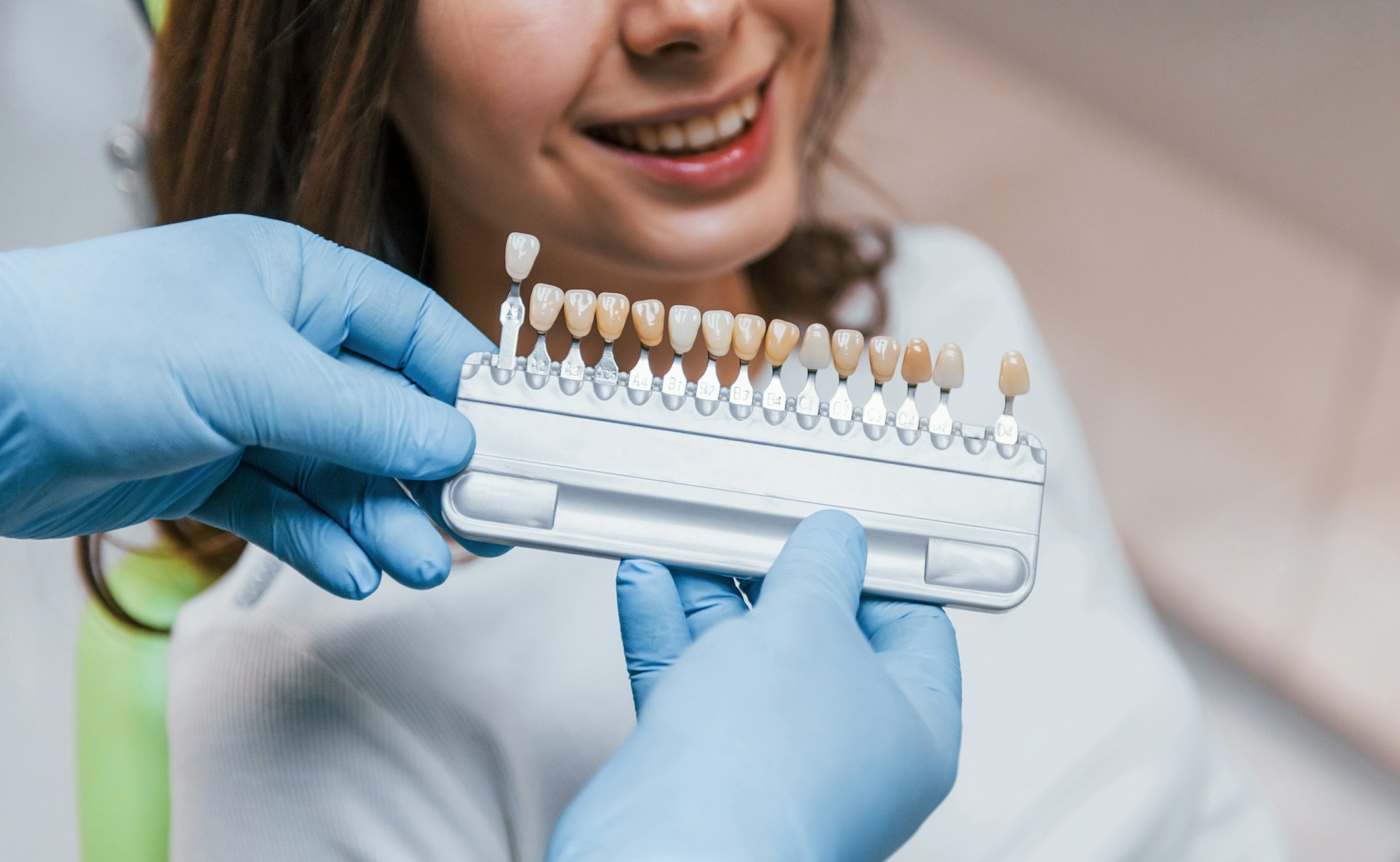
With advanced technology, we can use precise imaging and digital planning to map out your filling. Shade-matching tools help us select colors that blend well with your natural enamel so your smile looks as natural as possible. Our focus is always on conservative, natural-looking options that respect your existing tooth structure.
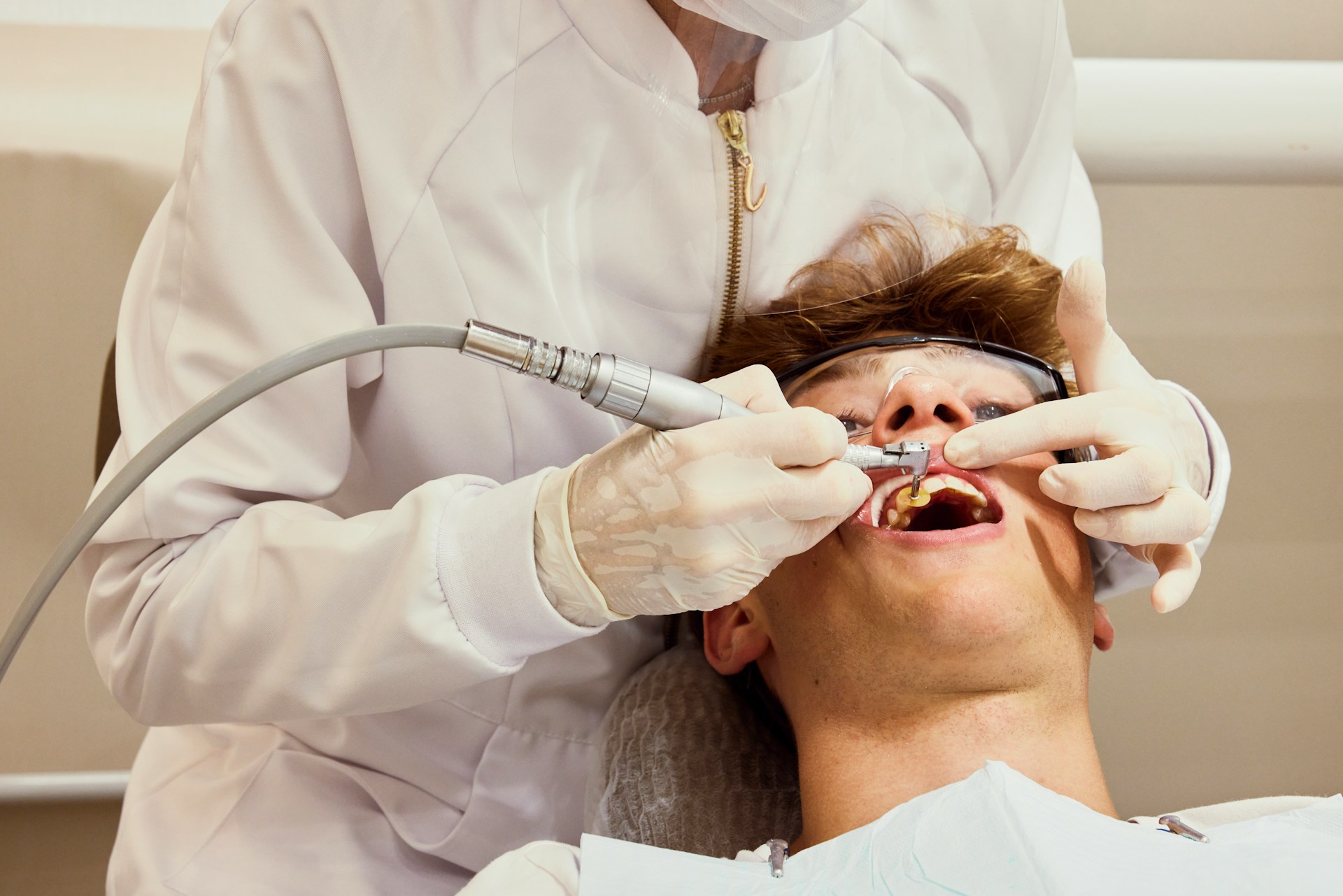
Knowing what will happen can reduce a lot of worry. A typical filling visit goes something like this:
1. We start with an exam and may take digital X-rays or 3D images to see the full picture of your tooth.
2. We explain what we see and talk through your options.
3. We numb the tooth and surrounding area so you stay comfortable.
4. We gently remove the decayed area and clean the space.
5. We place the filling material, shape it so your bite feels right, and polish it smooth.
Comfort is a big priority. That includes:
• Local anesthetic to block pain
• A calm, friendly team that explains each step
• Modern tools that reduce noise and vibration
• Sedation availability for anxious patients or those with a strong gag reflex
After the numbness wears off, your tooth may feel a little different, or mildly sensitive, for a short time, especially to temperature changes. We usually suggest:
• Eating soft foods until you are sure the numbness is gone
• Chewing on the opposite side for the rest of the day if needed
• Brushing and flossing gently around the new filling
If you notice pain that gets worse, difficulty biting, or anything that just does not feel right, it is important to let us know so we can check it.
Fillings can last for many years, but nothing in the mouth is permanent. How long they hold up depends on:
• The material used
• Where the filling is in your mouth
• Your chewing and grinding habits
• Daily oral care and regular dental visits
You can help your fillings last longer by:
• Brushing twice a day with fluoride toothpaste
• Flossing once a day to clean between teeth
• Avoiding chewing ice, hard candy, or using your teeth to open packages
• Wearing a nightguard if you grind or clench your teeth
During routine visits, we check existing fillings with the help of advanced technology. We look for small cracks, gaps at the edges, or areas of wear. Catching these early often means a simpler repair instead of a larger treatment later.
Spring is a great time to deal with that tooth that has been nagging at you before summer travel, grandkid visits, and busy plans fill your calendar again. Taking care of needed fillings now can help you enjoy meals, outings, and activities without worrying about a sudden toothache.
At Shrouf Dental House in The Villages, we are here to answer your questions, review your X-rays, and talk through filling options that fit your comfort level and health goals. With advanced technology and sedation availability for those who need extra help relaxing, getting dental fillings in The Villages can be a calm, efficient experience that helps protect your smile with confidence.
If you are noticing sensitivity, pain, or dark spots on your teeth, we are here to help you address problems early and comfortably. At Shrouf Dental House, we carefully evaluate your needs and provide high-quality dental fillings in the villages designed to preserve your natural teeth. Our team will walk you through each step so you know exactly what to expect and feel confident in your care. Schedule an appointment today so we can help you stop decay in its tracks and keep your smile strong.