 By: Dr. Isaac M. Alshrouf
 Oral surgery might sound a bit daunting at first, but it's actually a common type of procedure that helps solve various dental issues. From fixing teeth alignment to treating infections, it covers a wide range of needs in dental care. Many people need oral surgery at some point, whether it's as simple as removing a troublesome tooth or something more complex like jaw surgery. No matter your age or dental health, understanding oral surgery can be really helpful.
In The Villages, FL, residents have specific reasons to consider oral surgery. Whether it’s due to the popularity of active lifestyles leading to dental wear or simply the warm climate lending itself to keeping those wonderful smiles in top shape, oral surgeries play a part. Helping with both health and appearance, these procedures can be incredibly beneficial for maintaining your pearly whites. Now, let's check out some common types of oral surgeries and what they involve.
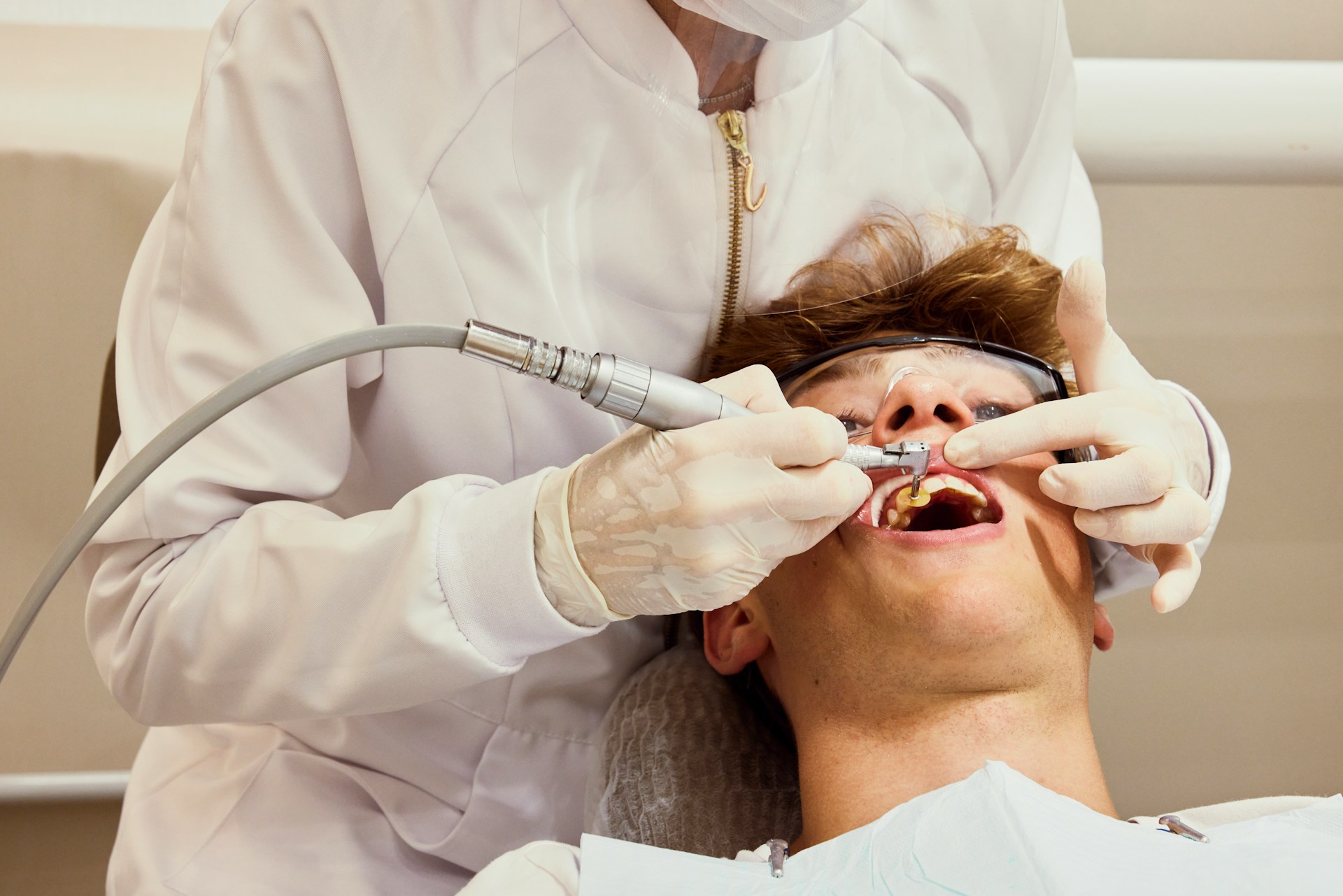
Tooth extraction is probably the most well-known type of oral surgery. It becomes necessary when a tooth is damaged or decayed beyond repair. Wisdom teeth removal, a common reason for extraction, is often done to prevent overcrowding or misalignment. During the process, the dentist numbs the area, carefully removes the tooth, and gives you care tips to follow as you heal.
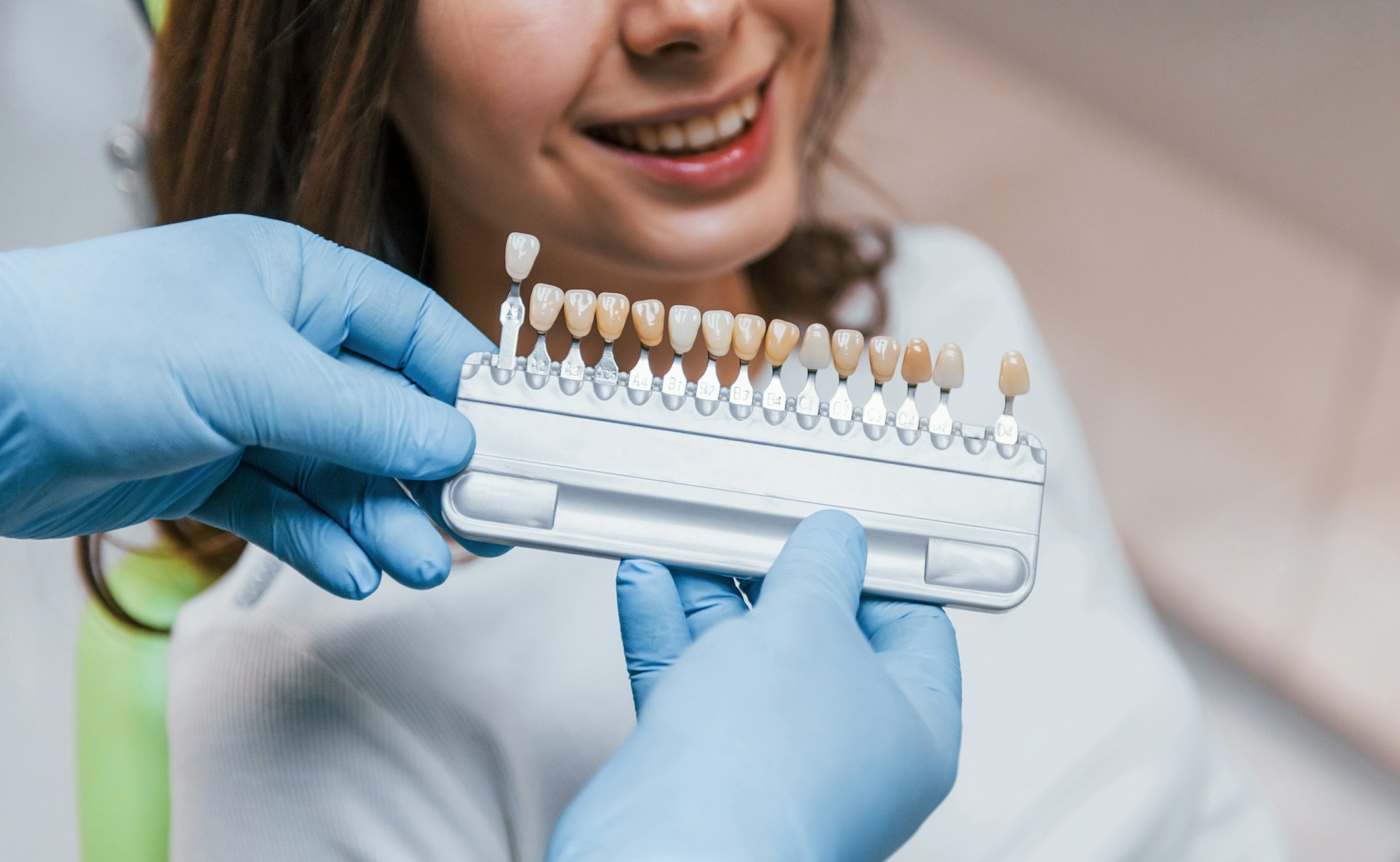
Dental implants are a great option for those missing a tooth or several teeth. The procedure involves placing a titanium post into the jawbone, which will act like a tooth root. Over time, it fuses with the bone, offering a robust foundation for a crown. This not only helps in chewing but also preserves jaw integrity and prevents bone loss. It's a reliable solution for restoring smiles and functionality.
When the inside of a tooth becomes infected, a root canal treatment can save it. The procedure involves removing the infected pulp, cleaning the area, and sealing it. Many fear root canals due to myths about pain, but they are usually no more uncomfortable than other dental procedures. This treatment not only eases pain but also prevents further infection or loss of the tooth.
Jaw surgery can be necessary when there's a significant misalignment affecting eating or speaking. This procedure helps realign the jaws and can be part of orthodontic treatment. Patients might need to adjust their eating habits during recovery, but eventually, it greatly improves jaw function and appearance.
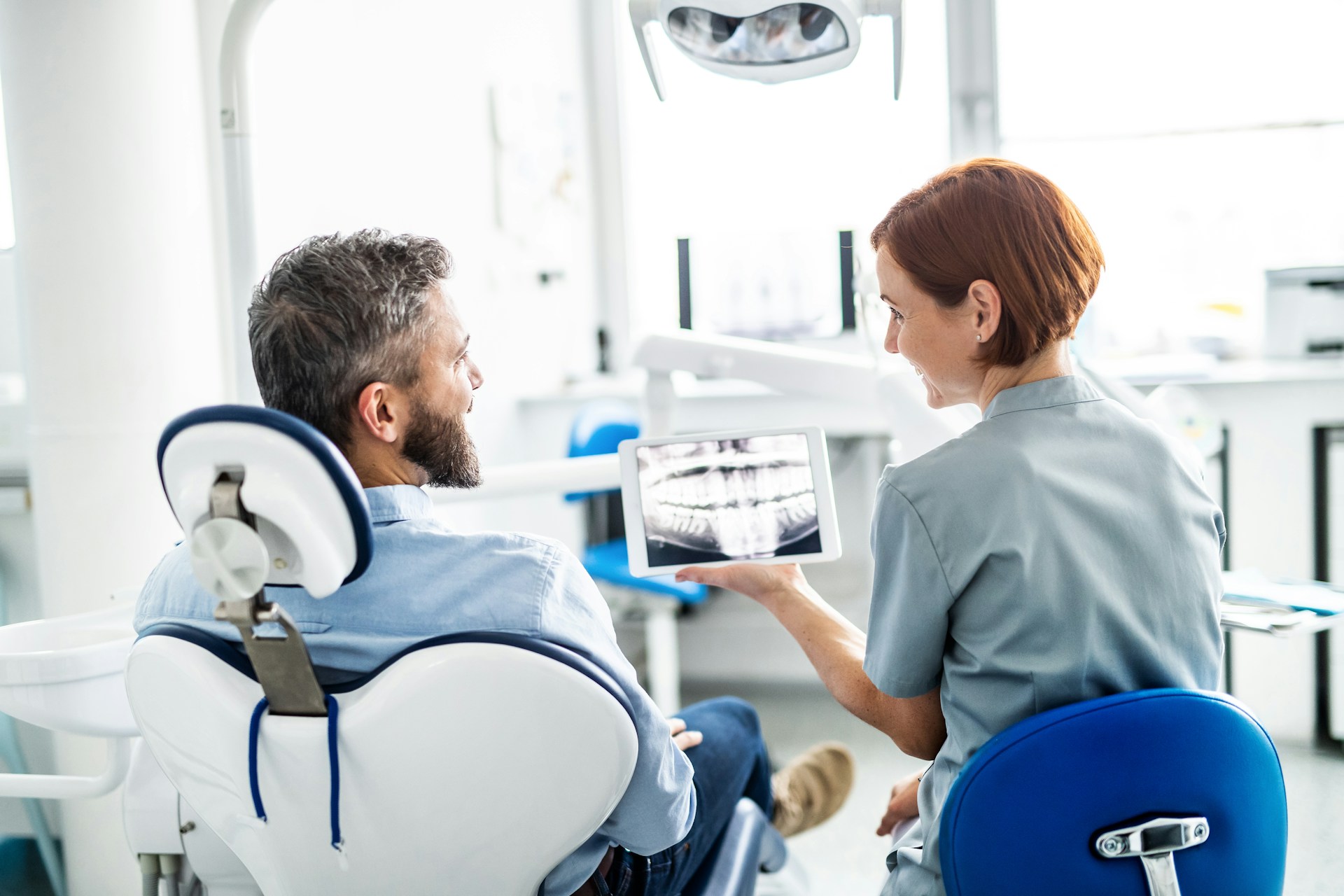
Early detection is key for effective treatment of oral cancer. Surgery typically involves removing cancerous tissues from the mouth. While recovery can involve adjustments, early treatment plays a crucial role in tackling oral cancer successfully. Regular dental check-ups often help catch such issues early, underscoring their importance.
Taking care of yourself after oral surgery is important for a smooth recovery. Follow your dentist’s instructions closely to ensure that you heal well. Here are some basic tips to consider:
- Rest and Avoid Strain: Give your body the chance to heal by resting and avoiding heavy physical activity. It's also a good idea to keep your head elevated to reduce swelling.
- Follow Medication Guidelines: Use prescribed antibiotics and pain relievers as directed to prevent infection and manage discomfort.
- Mind Your Diet: Stick to soft foods and avoid anything too hot or spicy. This helps in keeping your surgery site irritation-free. Drinking plenty of fluids is also beneficial for your recovery.
- Gentle Oral Hygiene: Keep the surgery area clean without disturbing it. Rinsing gently with a saltwater solution can help keep it clean. Brushing and flossing should continue in other areas of your mouth to maintain overall oral health.
- Look for Signs of Trouble: Pay attention to signs like persistent pain, excessive bleeding, or swelling, as they may indicate complications. If you notice any unusual symptoms, reaching out to your dentist promptly is key.
Choosing the right place for oral surgery can make all the difference in your experience and results. Dental expertise and modern technology come together to ensure your treatment is as comfortable and effective as possible. You can expect the highest standards of care and dedication, teams focused on patient satisfaction, and an environment designed to keep you at ease.
With the wide variety of procedures offered, ensuring your specific needs are met is a priority. Whether you're dealing with missing teeth, alignment issues, or need repair services, the approach is comprehensive and patient-focused. Success stories from previous patients demonstrate positive outcomes and noticeable improvements in quality of life post-surgery.
Deciding to schedule an oral surgery procedure can feel like a big step. It's wise to consider the benefits and discuss your options. Personalized consultations help tailor the approach to your individual needs. Finding a clinic that prioritizes patient care and is dedicated to achieving the best possible outcomes for each person underscores the importance of careful selection. The right choice supports not just your immediate health but also long-term oral well-being, ensuring your smile remains beautiful and strong for years to come.
To take advantage of expert care, schedule a consultation with Shrouf Dental House and explore how our approach to oral surgery in The Villages can address your dental needs effectively. Our team is ready to support your journey to optimal oral health and a confident smile.