 By: Dr. Isaac M. Alshrouf
 Deciding when to call for emergency dental care and when to wait for a scheduled appointment can sometimes be tricky. Understanding the difference is vital for maintaining good oral health and avoiding unnecessary stress. Dental emergencies aren't something anyone likes to think about, but knowing what qualifies as one can save a lot of trouble.
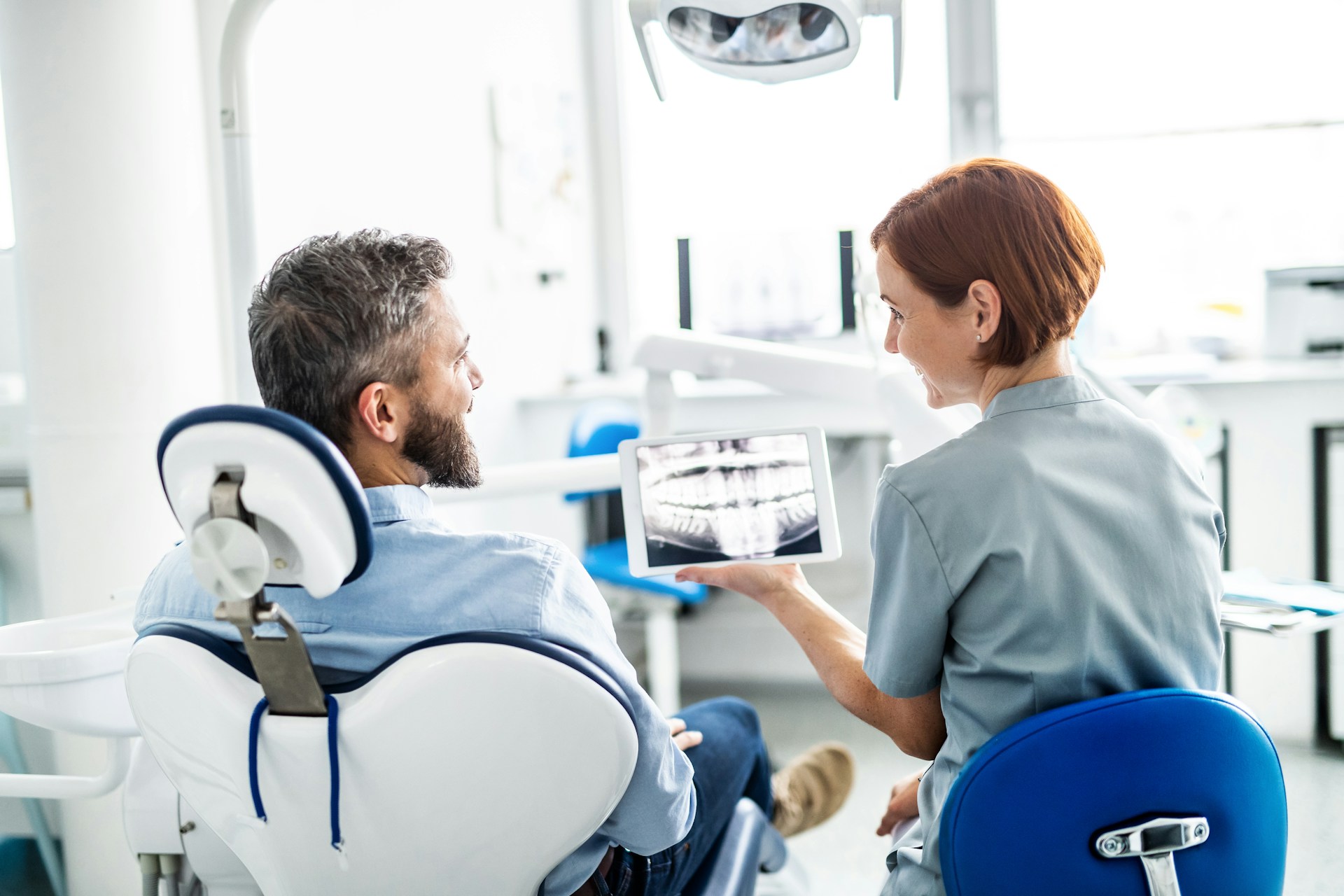
Emergency dentistry services are available to handle urgent dental issues that pop up out of the blue. This can range from a knocked-out tooth to a nasty toothache that just won't quit. Knowing these services are available brings peace of mind and ensures that if something unexpected happens, there's a plan in place.
When faced with dental problems, it's essential to know what actually counts as an emergency. Here are some scenarios that definitely warrant immediate attention:
- Severe tooth pain that doesn't go away with over-the-counter pain medication.
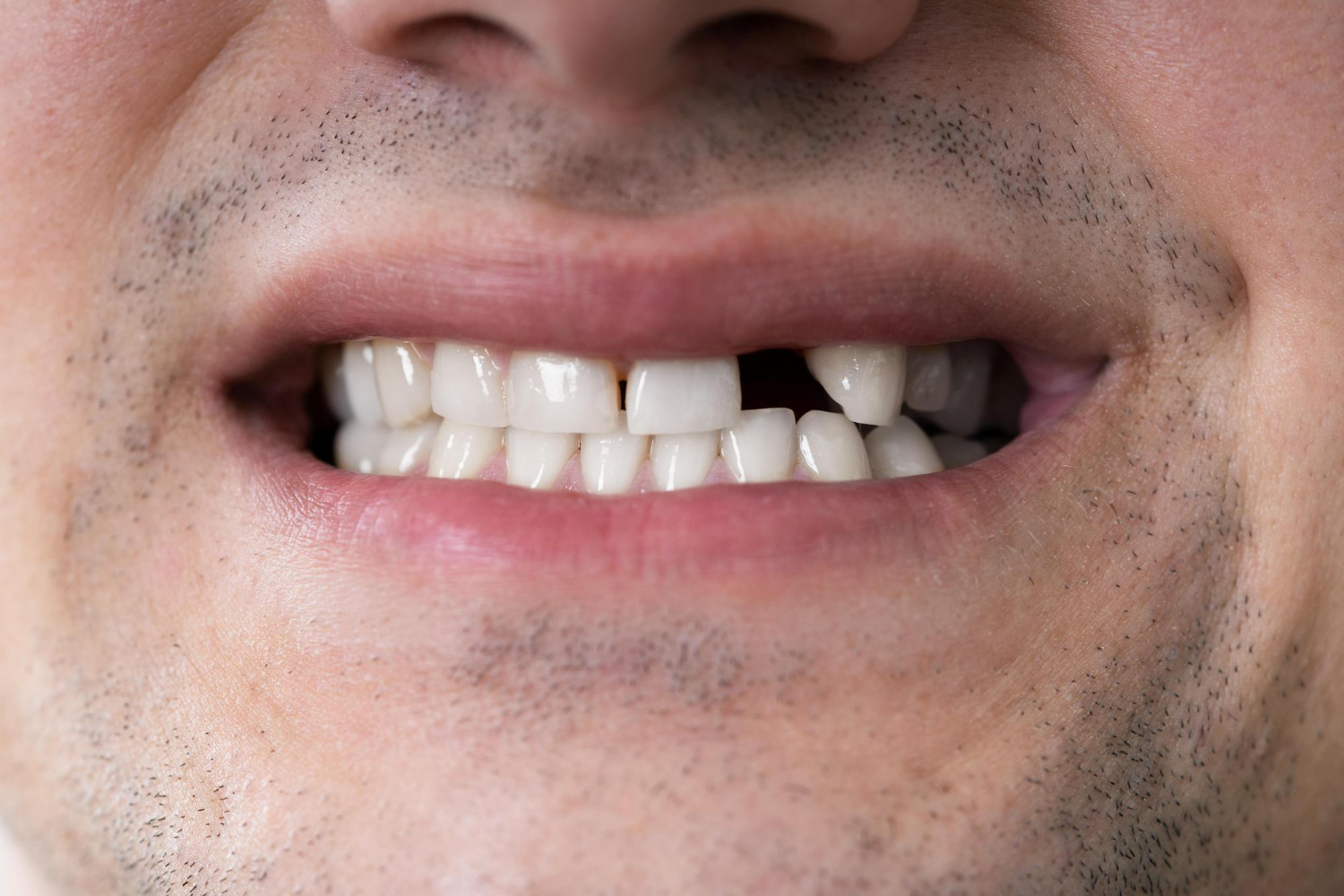
- A tooth that's been knocked out or is hanging by a thread.
- Swollen or bleeding gums that seem out of control.
- A dental abscess causing swelling in your mouth or around your jaw.
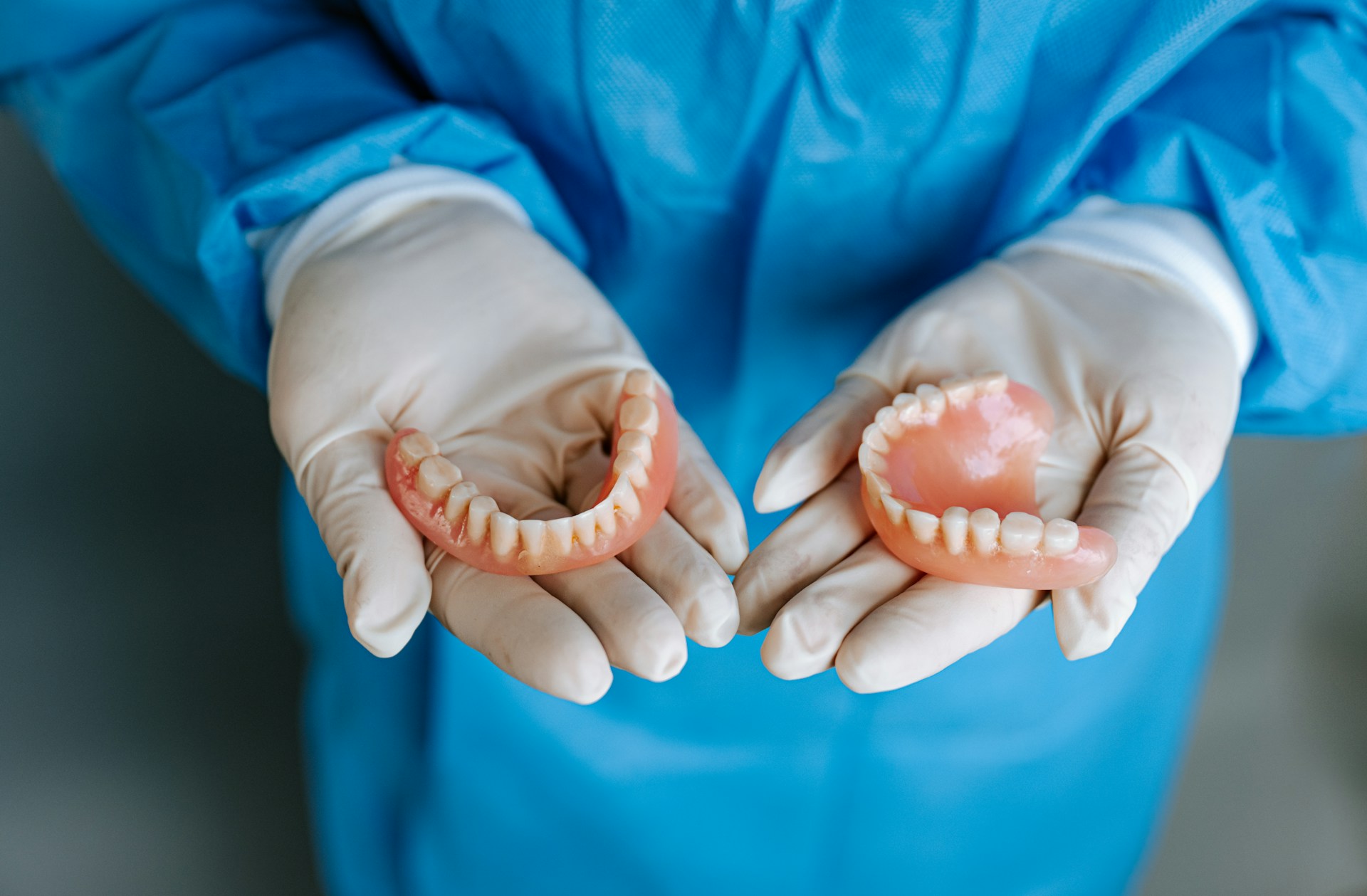
It's also important to act quickly if your denture suddenly breaks and affects your ability to eat or speak comfortably. Loose or missing restorations and crowns can also slip into the emergency category if they're causing pain or are at risk of being swallowed.
Ignoring these signs can lead to more severe issues down the line. If you're dealing with any of these situations, it's time to call for emergency care. But what if it's something less urgent?
Not every dental issue needs immediate attention. Sometimes it's safe to wait for your next scheduled appointment. Minor pain, for example, might just need basic care at home until you see your dentist. Here are some examples when waiting might be okay:
- Mild tooth sensitivity when eating or drinking something hot or cold.
- A chipped tooth that isn't painful or sharp.
- A small piece of filling or crown that comes off without causing pain.
While waiting for your appointment, there are simple steps to ensure comfort. Use over-the-counter pain relief for temporary relief and try soft foods that won't aggravate the issue. Avoid chewing near the affected area to prevent further problems. These measures can help while waiting to see the dentist for a proper evaluation.
Facing a dental emergency can be stressful, but being prepared makes a difference. If you're experiencing a sudden dental issue, here's what to do to ensure everything goes smoothly:
- Call the Dentist Immediately: Contact your dental office right away to explain the problem. They can provide advice on immediate steps to take and help schedule an urgent appointment.
- Follow First-Aid Measures: Until you see the dentist, follow basic first-aid steps to manage pain and prevent further damage. Use gauze for bleeding or gently rinse with warm water if needed.
- Gather Information: Having relevant information handy, like your medical history, current medications, and any insurance details, can help streamline the visit.
- Prepare Questions: Jot down any questions you may have about the emergency or treatment needed. It’s easy to forget in a rush, and having notes ensures you get all the information you need.
Making sure to have everything ready helps lessen anxiety and ensures you get the best care during your visit.
Emergency dentistry plays a critical role in keeping oral health issues from getting worse. Prompt care is key for situations like severe toothaches and mouth injuries where delaying treatment can lead to more significant problems. Services also extend to handle emergencies like dental abscesses or loose, broken, chipped, and cracked teeth that can suddenly disrupt daily life.
In The Villages, FL, there's a focus on providing timely and effective care for those unexpected moments. This commitment ensures that residents have access to necessary treatment without the worry of prolonged discomfort or potential complications.
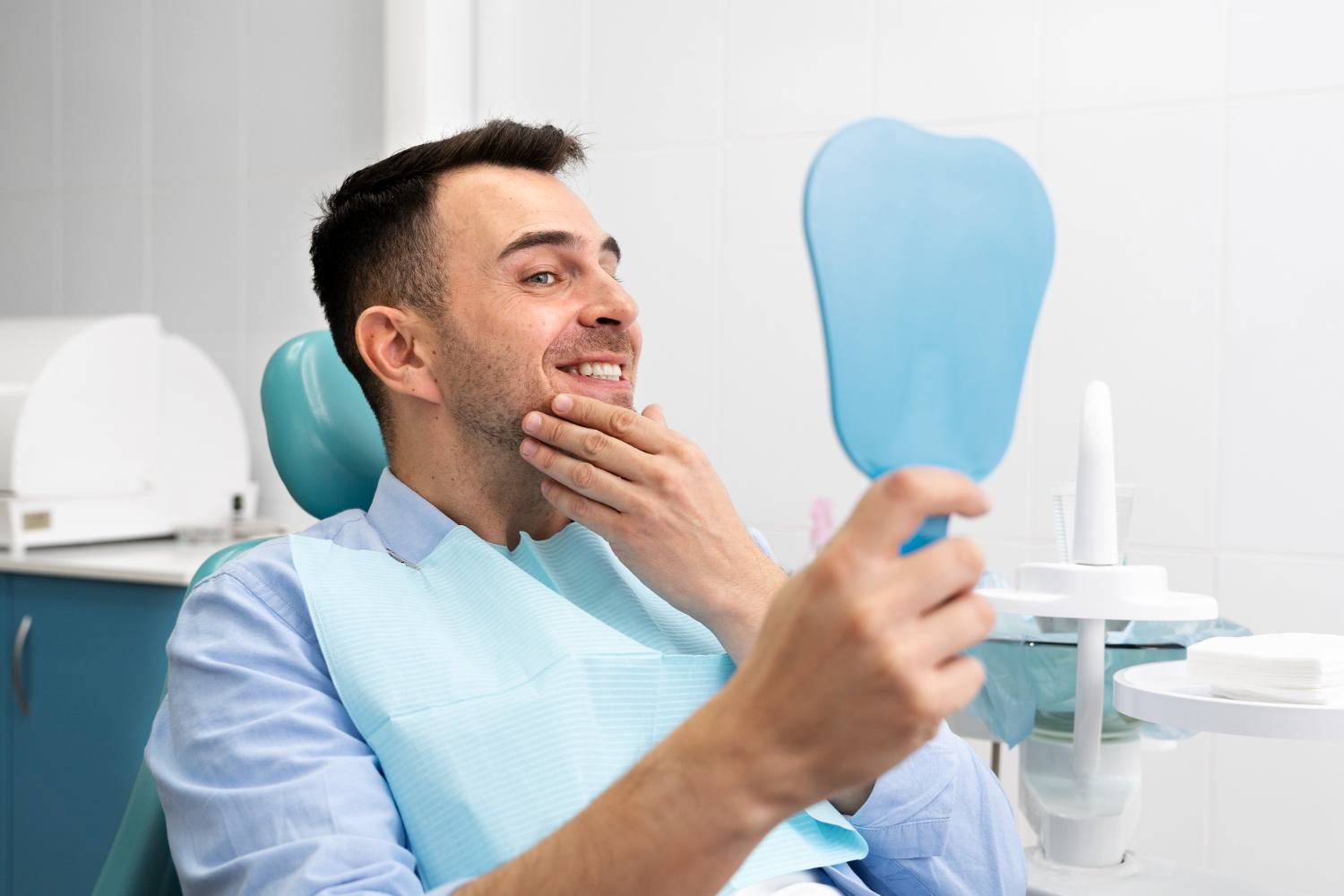
Staying on top of dental care isn't just about handling emergencies. Regular check-ups and preventive measures are crucial in keeping those emergencies from cropping up in the first place.
- Preventive Dentistry: Engaging in preventive care, like regular dental exams and cleaning and hygiene, helps catch potential issues early. Practices like fluoride treatments and mouth guards can provide additional protection for teeth.
- Regular Check-Ups: Making time for regular dental visits ensures that any budding problems are addressed before they escalate.
These proactive steps are a simple way to maintain a healthy mouth and reduce the odds of facing unexpected dental issues.
In the end, being well-informed about when to seek emergency care and when to wait is essential for good dental health. Quick action during emergencies prevents minor problems from becoming major ones and promotes overall well-being. It’s a relief knowing that whenever a sudden dental issue arises, there’s support available to help navigate through it. By staying vigilant and making dental care a priority, it’s possible to enjoy a healthier, happier smile.
If you've encountered a sudden dental issue and need immediate assistance, don't let it wait. Reach out to Shrouf Dental House, where we specialize in providing prompt and effective care. Whether it's a severe toothache or another urgent concern, our team is ready to help. Learn how our approach to emergency dentistry in The Villages can support your dental needs when it matters most.